Governor Macquarie’s Bold Step: Establishing the Bank of NSW in 1817

In the annals of Australia’s history, the year 1817 stands out as a pivotal moment in the nation’s financial evolution. It was during this year that Governor Lachlan Macquarie, a transformative figure in Australian colonial history, took a bold step by establishing the Bank of New South Wales (now known as Westpac). This move was not merely a response to contemporary financial needs; it was a visionary initiative that laid the groundwork for Australia’s future economic prosperity.

To appreciate the significance of Governor Macquarie’s decision to establish the Bank of NSW, it is crucial to understand the financial landscape of Australia in 1817. At that time, the colony of New South Wales was still in its infancy, grappling with the challenges of establishing a viable economy. The British government provided limited financial support, and the colony relied heavily on barter and informal credit arrangements for its economic transactions.

Trade in the colony was primarily conducted through the exchange of goods, with commodities such as wool, timber, and coal serving as the primary currency. However, this system was inefficient and prone to exploitation, leading to significant economic instability. Moreover, the lack of a formal banking institution hindered economic growth by limiting access to credit and hindering investment opportunities.

Against this backdrop of financial uncertainty, Governor Macquarie’s decision to establish the Bank of NSW was nothing short of revolutionary. By creating Australia’s first bank, Macquarie sought to address several pressing issues facing the colony.

First and foremost, the Bank of NSW provided a stable financial infrastructure that facilitated trade and investment. With the issuance of banknotes and the provision of credit, the bank enabled businesses to conduct transactions more efficiently and stimulated economic activity. Moreover, the bank’s ability to issue loans encouraged entrepreneurial ventures and fostered the development of new industries, laying the foundation for Australia’s future economic prosperity.

Furthermore, the establishment of the Bank of NSW had profound social implications. By providing financial services to the broader community, the bank promoted financial inclusion and social mobility. Individuals and businesses previously excluded from formal financial systems gained access to credit and banking services, empowering them to participate more fully in the economy.

Governor Macquarie’s decision to establish the Bank of NSW also had long-term implications for Australia’s sovereignty and independence. By creating a locally owned and operated financial institution, Macquarie laid the groundwork for greater economic self-sufficiency and reduced dependence on British financial institutions. The bank’s success demonstrated Australia’s capacity for economic autonomy and played a crucial role in shaping the nation’s identity.

The establishment of the Bank of NSW in 1817 was a watershed moment in Australia’s economic history. Governor Macquarie’s visionary decision to create Australia’s first bank addressed pressing financial challenges, stimulated economic growth, and promoted social inclusion. Moreover, the bank’s success paved the way for greater economic independence and played a crucial role in shaping Australia’s identity as a modern nation. As we reflect on this historic event, we are reminded of the transformative power of visionary leadership and the enduring legacy of those who dare to challenge the status quo.
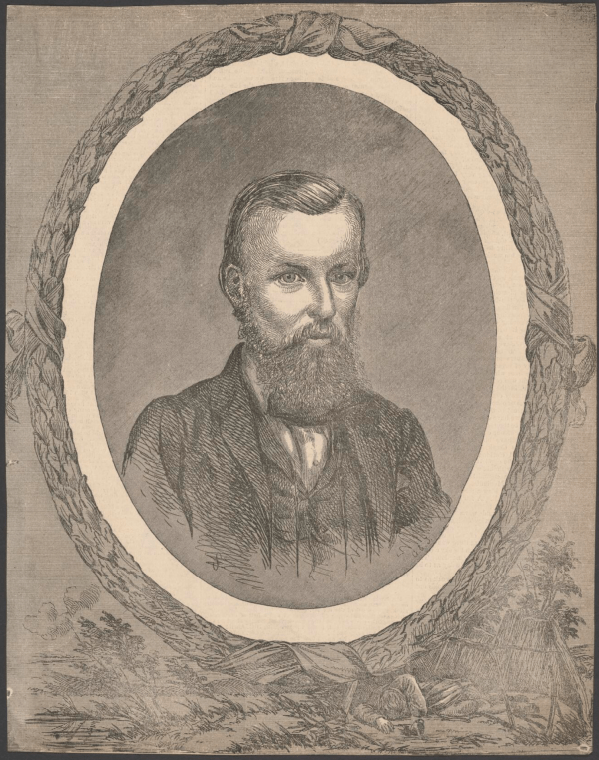
The Enigma of Ludwig Leichhardt’s Third Expedition: A Vanishing Act in Australian History

Throughout the history of Australian exploration, few tales are as captivating and mysterious as that of Ludwig Leichhardt’s third expedition. Embarking in 1848, this journey was intended to unlock the secrets of Australia’s interior, yet it ended in perplexing disappearance, leaving behind a legacy shrouded in uncertainty. In this blog post, we delve into the goals of Leichhardt’s ill-fated expedition and explore its enduring significance in the tapestry of Australian history.

The Goals of the Expedition: Ludwig Leichhardt, a German naturalist and explorer, was no stranger to the challenges of the Australian wilderness. His first two expeditions had already established him as a prominent figure in the exploration of the continent. However, it was his third expedition that aimed to push the boundaries of knowledge even further. The primary goals of this ambitious venture included:

  1. Cross-Continental Journey: One of the central objectives of the expedition was to traverse the Australian continent from east to west, a feat that had never been accomplished before. Leichhardt envisioned charting a route that would provide valuable insights into the geography, ecology, and indigenous cultures of the vast interior.
  2. Scientific Exploration: As a trained naturalist, Leichhardt was deeply interested in the flora, fauna, and geological formations of Australia. His expedition aimed to collect specimens, document new species, and conduct geological surveys to expand the scientific understanding of the continent.
  3. Economic Potential: Beyond scientific curiosity, Leichhardt recognized the economic potential of Australia’s interior. He hoped to discover fertile lands suitable for agriculture, grazing, and settlement, thereby contributing to the expansion and development of the colony.
  4. Indigenous Interactions: Throughout his expeditions, Leichhardt maintained a respectful approach towards Indigenous peoples. He sought to establish friendly relations, exchange knowledge, and learn from their traditional practices, recognizing the invaluable insights they could provide into survival in the harsh Australian environment.

The Significance in Australian History: Despite its tragic outcome, Ludwig Leichhardt’s third expedition holds enduring significance in Australian history for several reasons:

  1. Exploration Legacy: Leichhardt’s bold expeditions laid the groundwork for future explorers and settlers to venture into Australia’s uncharted territories. His pioneering spirit and determination inspired subsequent generations to push the boundaries of geographical knowledge and expand the frontiers of the continent.
  2. Cultural Icon: Leichhardt’s name has become synonymous with exploration and adventure in Australian folklore. His mysterious disappearance has sparked numerous theories and legends, capturing the imagination of storytellers and historians alike.
  3. Scientific Contributions: Although his final expedition did not achieve its intended goals, Leichhardt’s scientific observations and collections continue to enrich our understanding of Australia’s natural history. His legacy lives on in the specimens he collected and the insights he provided into the continent’s unique ecosystems.
  4. National Identity: Leichhardt’s expeditions are woven into the fabric of Australia’s national identity, symbolizing the spirit of exploration and resilience in the face of adversity. His disappearance serves as a reminder of the inherent risks and uncertainties of exploration, yet also of the enduring human quest for discovery.

The vanishing of Ludwig Leichhardt’s third expedition remains one of the greatest mysteries in Australian history, leaving behind a legacy that continues to intrigue and captivate. While the ultimate fate of Leichhardt and his party may never be fully known, their daring journey stands as a testament to the indomitable human spirit and the eternal quest for knowledge in the vast and untamed landscapes of the Australian continent.

Unveiling the Stars: The Legacy of the Adelaide Observatory

In the heart of Adelaide, Australia, lies a testament to human curiosity and scientific endeavor—the Adelaide Observatory. Established in 1888, it stands historically as Australia’s first permanent observatory, symbolizing a pivotal moment in the nation’s scientific history. Over the decades, it has played a crucial role in astronomical research, timekeeping, and shaping our understanding of the cosmos.

The Genesis of the Adelaide Observatory:

  • Founded in 1888, the Adelaide Observatory was the brainchild of Sir Charles Todd, a pioneer in Australian telecommunications and meteorology.
  • Situated in West Terrace, its strategic location provided an unobstructed view of the night sky, away from the city’s light pollution.
  • Equipped with state-of-the-art telescopes and astronomical instruments, the observatory embarked on a mission to unravel the mysteries of the universe.

    Milestones and Discoveries:

    • Timekeeping Precision: One of the primary objectives of the observatory was to establish accurate timekeeping standards. Its precise measurements of sidereal time and stellar positions contributed significantly to Australian navigation and telecommunications.
    • Comet Discoveries: Throughout its history, the observatory served as a hub for comet discoveries. Notable among these was the discovery of Comet Gill in 1889 by astronomer R.L.J. Ellery.
    • Solar Observations: The Adelaide Observatory played a pivotal role in studying the sun’s activity, contributing valuable data to the global understanding of solar dynamics and its impact on Earth.

    The Golden Era and Legacy:

    • The Adelaide Observatory experienced its golden era during the late 19th and early 20th centuries, attracting renowned astronomers and researchers from around the world.
    • Its legacy extends beyond astronomical discoveries, as it fostered a culture of scientific inquiry and education in South Australia.
    • Despite technological advancements and the establishment of modern observatories, the Adelaide Observatory continues to inspire future generations of astronomers and scientists.

    Significance in Australia’s Observatory History:

    • Pioneering Spirit: As Australia’s first permanent observatory, the Adelaide Observatory symbolizes the nation’s pioneering spirit in scientific exploration.
    • Cultural Heritage: It holds a special place in Australia’s cultural heritage, representing a time when scientific research was at the forefront of national identity.
    • Educational Hub: Over the years, the observatory has served as an educational hub, nurturing the next generation of astronomers and fostering a deeper appreciation for the cosmos.
    Photo by InstaWalli on Pexels.com

      Conclusion: The Adelaide Observatory stands as a testament to Australia’s rich scientific heritage and its enduring quest to unravel the mysteries of the universe. From its humble beginnings in 1888 to its continued legacy in the 21st century, it serves as a beacon of inspiration for scientists, students, and stargazers alike. As we gaze up at the night sky, let us remember the pioneering spirit and unwavering dedication that gave rise to this iconic institution—a gateway to the stars and a symbol of human curiosity reaching ever upwards.

      The Controversial Legacy of the Native Police Force in Australian History

      The Native Police Force, established in 1837 in Queensland and later replicated in other Australian colonies, stands as a contentious chapter in the nation’s history. Comprising Indigenous troopers under the command of European officers, the force played a pivotal but controversial role in frontier conflict. Delving into its contentious nature and significance illuminates complex dynamics of power, race, and colonial expansion.

      At its core, the controversy surrounding the Native Police Force stems from its role in the violent dispossession of Indigenous peoples from their lands. Tasked with maintaining order in newly settled territories, the force often resorted to brutal tactics, including indiscriminate violence, massacres, and forced relocations. Rather than fostering peace, it exacerbated tensions and sowed distrust between Indigenous communities and colonial authorities.

      One of the key reasons behind the controversy was the inherent power imbalance within the force. While Indigenous troopers were enlisted, they served under the command of European officers, effectively becoming instruments of their own subjugation. This arrangement not only perpetuated colonial hierarchies but also exploited existing divisions within Indigenous societies, pitting different groups against each other for the benefit of colonial expansion.

      Moreover, the Native Police Force played a significant role in the broader context of frontier conflict. As European settlers pushed further into Indigenous territories, conflicts over land, resources, and sovereignty intensified. The force, acting as a tool of colonial expansion, often served to enforce the dispossession of Indigenous peoples, further marginalizing and displacing them from their ancestral lands.

      The legacy of the Native Police Force continues to reverberate in contemporary Australia, shaping perceptions of colonialism, Indigenous rights, and historical reconciliation. Its controversial history serves as a reminder of the deep scars left by colonial violence and the ongoing struggle for justice and recognition for Indigenous peoples.

      In recent years, there has been growing acknowledgment of the atrocities committed by the Native Police Force, leading to calls for truth-telling, restitution, and reconciliation. Efforts to confront this dark chapter in Australian history include initiatives such as truth and reconciliation commissions, memorialization projects, and educational programs aimed at fostering a more nuanced understanding of the past.

      Furthermore, the controversy surrounding the Native Police Force underscores broader questions about the ethics of colonialism and the responsibilities of nations to reckon with their past injustices. As Australia grapples with issues of reconciliation and Indigenous rights, confronting the legacy of the Native Police Force serves as a crucial step towards healing historical wounds and forging a more equitable future.

      F. C. Urquhart joined the Queensland Native Mounted Police Force on 27 April 1882 as a cadet and was installed as sub-inspector in charge of the Gulf, Cape York and Torres Strait districts. He transferred in 1889 to the general police. In 1917 he became Queensland’s fourth Police Commissioner.

      In conclusion, the Native Police Force stands as a symbol of the complex and often violent dynamics of colonial expansion in Australia. Its controversial legacy highlights the enduring impact of colonialism on Indigenous peoples and the ongoing struggle for truth, justice, and reconciliation. By confronting this dark chapter in history, Australia can move towards a more inclusive and just society that acknowledges the past while working towards a better future for all its citizens.

      The Arrival of Japanese Pearl Divers: A Multicultural Tapestry in Broome’s History

      In the late 19th century, the picturesque coastal town of Broome, nestled in Western Australia, witnessed a significant influx of Japanese pearl divers. This event not only reshaped the economic landscape of the region but also left an indelible mark on the multicultural fabric of Australia. The arrival of Japanese pearl divers in Broome serves as a poignant chapter in Australian history, highlighting the profound impact of cultural exchange and collaboration.

      At the heart of this narrative lies the booming pearling industry that propelled Broome into prominence during the late 1800s. With its pristine waters teeming with valuable pearl oysters, Broome became a magnet for adventurous individuals seeking fortune beneath the waves. Among these seekers were Japanese divers, drawn to the promise of lucrative opportunities in the pearl-rich waters of northwestern Australia.

      Photo by Ylanite Koppens on Pexels.com

      The arrival of Japanese pearl divers brought with it a fusion of cultures, as they integrated seamlessly into the vibrant tapestry of Broome’s diverse community. Despite initial language and cultural barriers, these divers quickly established themselves as integral members of the pearling workforce, contributing their expertise and skills to the burgeoning industry. Through shared experiences and mutual respect, bonds of friendship and camaraderie transcended cultural differences, fostering a spirit of cooperation and unity among Broome’s residents.

      One cannot underestimate the significance of Japanese contributions to Broome’s pearling industry. Their unparalleled diving prowess and meticulous attention to detail revolutionized pearl harvesting techniques, elevating Broome to the forefront of the global pearl trade. With their arrival, the town witnessed a period of unprecedented prosperity, as pearl exports flourished, fueling economic growth and prosperity throughout the region.

      However, the legacy of Japanese pearl divers extends far beyond economic prosperity. Their presence catalyzed a cultural exchange that enriched the social fabric of Broome and challenged prevailing notions of identity and belonging in Australian society. In an era marked by racial tensions and discriminatory practices, the acceptance and integration of Japanese immigrants served as a beacon of inclusivity and tolerance, paving the way for a more multicultural Australia.

      Moreover, the enduring legacy of Japanese pearl divers is evident in the enduring traditions and customs that continue to permeate Broome’s cultural landscape. From culinary delights such as sushi and sashimi to the annual Shinju Matsuri (Japanese Festival of the Pearl), Japanese influences are woven into the fabric of everyday life in Broome, serving as a testament to the enduring bonds forged between cultures.

      The significance of the Japanese presence in Broome extends beyond mere historical footnote; it serves as a poignant reminder of the transformative power of cultural exchange and collaboration. In celebrating the contributions of Japanese pearl divers, we not only honor their legacy but also reaffirm our commitment to fostering a more inclusive and diverse society.

      In conclusion, the arrival of Japanese pearl divers in Broome during the late 19th century represents a pivotal moment in Australian history, marking the convergence of cultures and the birth of a multicultural community. Their contributions to the pearling industry and the social fabric of Broome endure as a testament to the enduring legacy of cultural diversity and mutual respect. As we reflect on this chapter of history, let us celebrate the richness of our shared heritage and embrace the lessons of tolerance and acceptance embodied by the Japanese pioneers of Broome.

      The Dunwich Benevolent Asylum: A Pillar of Indigenous History in Queensland

      In the pages of Australian history, few institutions hold as much significance for Indigenous Australians as The Dunwich Benevolent Asylum. Established in 1865 on North Stradbroke Island, Queensland, it marked the inception of the first Aboriginal reserve in the state. Over time, it evolved into a crucial institution, shaping the lives of Indigenous Australians and leaving an indelible mark on the nation’s narrative.

      Origins and Establishment

      The establishment of The Dunwich Benevolent Asylum was rooted in a complex historical context. In the mid-19th century, colonial policies aimed to exert control over Indigenous populations, often through forced relocation and assimilation efforts. The asylum’s creation reflected this mindset, presenting itself as a benevolent institution while enforcing colonial authority.

      Early Function and Evolution

      Initially conceived as a place of refuge and support for Indigenous people, The Dunwich Benevolent Asylum provided basic amenities such as shelter, food, and healthcare. However, its true nature was far from benevolent. Under the guise of care, Indigenous individuals were subjected to strict regulations and surveillance, furthering the colonial agenda of assimilation and cultural erasure.

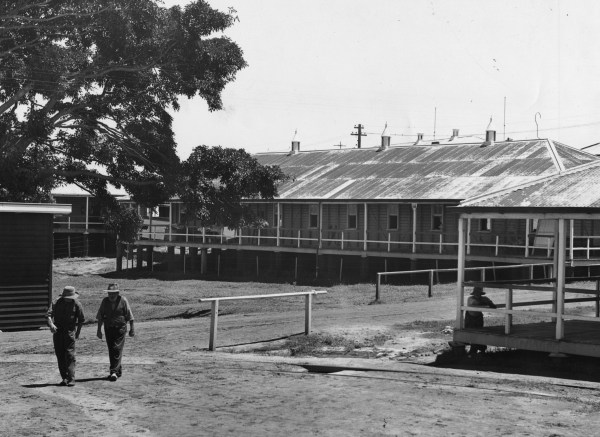
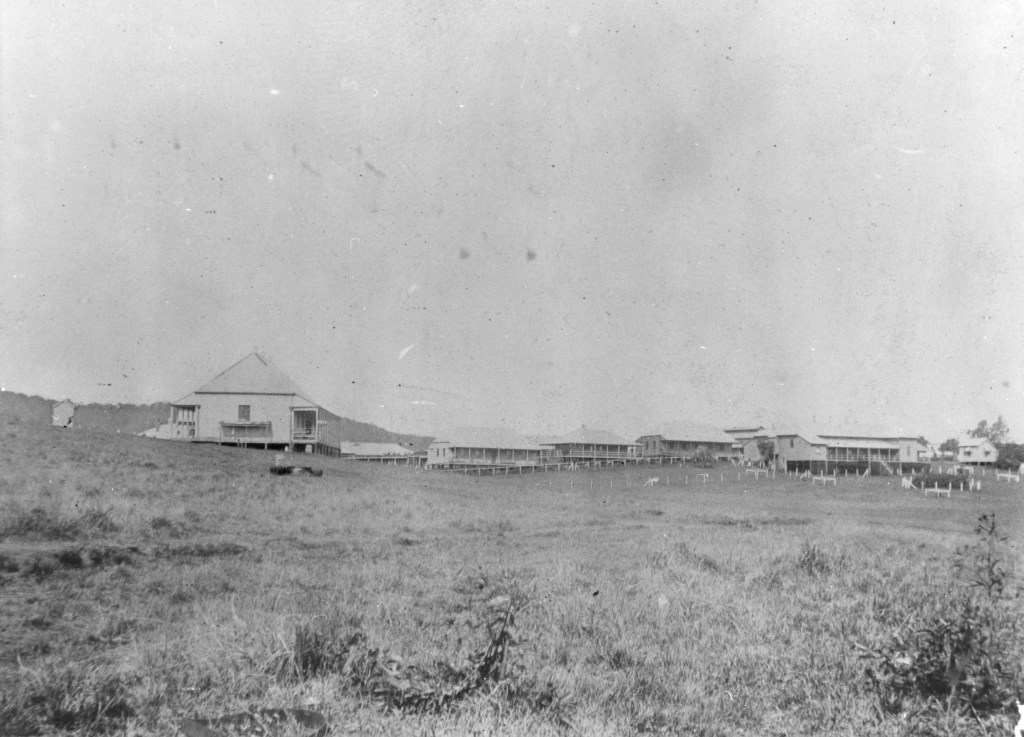
      Buildings of the Benevolent Asylum at Dunwich on Stradbroke Island. Dunwich was the site of the Moreton Bay Quarantine Station from the 1820s to the 1860s, and was converted into an asylum in 1866. The asylum continued at Dunwich until 1946, when it was moved to the vacant R.A.A.F. buildings at Eventide, Sandgate.

      Impact on Indigenous Communities

      The legacy of The Dunwich Benevolent Asylum reverberates through generations of Indigenous Australians. For many, it represents a symbol of resilience in the face of adversity, as well as a painful reminder of the injustices inflicted upon their ancestors. The institution’s policies had far-reaching consequences, disrupting Indigenous families and communities and perpetuating cycles of trauma and displacement.

      Resistance and Resilience

      Despite the oppressive conditions imposed by the asylum, Indigenous individuals and communities demonstrated remarkable resilience and resistance. Through acts of cultural preservation and solidarity, they sought to reclaim their identities and assert their rights in the face of colonial oppression. These acts of resistance laid the groundwork for future movements advocating for Indigenous rights and reconciliation in Australia.

      Legacy and Contemporary Relevance

      The legacy of The Dunwich Benevolent Asylum continues to shape contemporary discussions surrounding Indigenous rights and reconciliation in Australia. Its existence serves as a stark reminder of the enduring impact of colonialism on Indigenous communities and the ongoing struggle for justice and recognition. As Australia grapples with its colonial past and seeks to forge a path towards reconciliation, the lessons of institutions like The Dunwich Benevolent Asylum remain as relevant as ever.

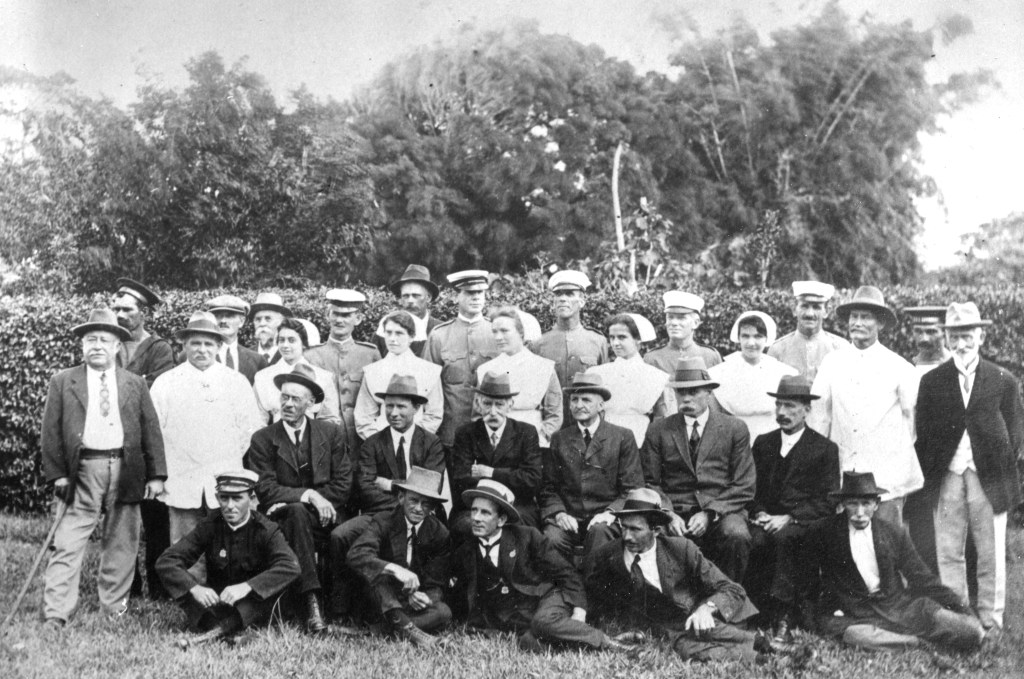
      Present is Phil Agnew (centre of the second row with the long white moustache) who served as postmaster at Dunwich from 1896 to 1926. (Description supplied with photograph.)

      Conclusion

      The Dunwich Benevolent Asylum stands as a poignant symbol of the complex and often fraught relationship between Indigenous Australians and colonial authorities. From its origins as the first Aboriginal reserve in Queensland to its evolution into a site of resistance and resilience, its legacy is woven into the fabric of Australian history. As we confront the injustices of the past and strive towards a more equitable future, it is essential to acknowledge and learn from the experiences of those who endured the hardships of institutions like The Dunwich Benevolent Asylum. Only by understanding our shared history can we move forward together towards reconciliation and healing.

      The Dawn of Democracy: Victoria’s Voting Rights Revolution in 1854

      In 1854, a significant milestone in democratic history unfolded in Victoria, Australia. The Victorian Legislative Council enacted a groundbreaking decision, granting the right to vote to all male British subjects over 21, irrespective of property ownership. This move catapulted Victoria to the forefront of democratic progress within the British Empire and laid the foundation for a more inclusive political landscape in Australia. Let’s delve into the socio-political backdrop of 1854 Victoria and explore the transformative implications of this landmark decision.

      Life in 1854 Victoria was characterized by a complex tapestry of socio-economic dynamics. The colony was undergoing rapid growth and urbanization, fueled by the gold rush that had commenced a few years prior. With the influx of fortune-seekers from all corners of the globe, Victoria’s population swelled, creating a diverse and bustling society. However, beneath the veneer of prosperity lay stark disparities in wealth and opportunity.

      For the majority of residents, life was marked by arduous labor, cramped living conditions, and limited access to basic amenities. The working class toiled in mines, factories, and on farms, facing grueling hours and meager wages. Meanwhile, a privileged minority enjoyed wealth and influence, wielding significant power within the colonial administration.

      Against this backdrop of inequality and disenfranchisement, the enactment of universal male suffrage in 1854 was nothing short of revolutionary. By extending the right to vote to all adult male British subjects, regardless of property ownership, the Legislative Council signaled a seismic shift in the political landscape. No longer were electoral privileges reserved solely for the wealthy elite; now, every man had a voice in shaping the future of Victoria.

      The significance of this decision extended far beyond the realm of electoral politics. It was a proclamation of equality and empowerment, affirming the inherent worth and agency of every individual within society. For the first time, working-class men could actively participate in the democratic process, casting their ballots and influencing government policies that directly impacted their lives.

      Moreover, the granting of universal male suffrage in Victoria served as a beacon of hope and inspiration for democratic movements across Australia. As news of this progressive reform spread, other colonies began to contemplate their own paths towards greater political inclusivity. The seeds of democracy sown in Victoria took root and flourished, catalyzing a wave of electoral reforms that would transform the nation’s political landscape.

      In the years that followed, Australia emerged as a trailblazer in democratic governance, enshrining principles of universal suffrage and representative democracy into its constitutional framework. The legacy of Victoria’s voting rights revolution endured, serving as a testament to the power of grassroots activism and progressive leadership in advancing social change.

      In conclusion, the year 1854 stands as a watershed moment in Australian history, marking the dawn of a new era of democratic governance. The decision of the Victorian Legislative Council to grant universal male suffrage laid the groundwork for a more inclusive and representative political system, empowering ordinary citizens to participate in the democratic process. As we reflect on this pivotal chapter in our nation’s journey, let us celebrate the enduring legacy of Victoria’s voting rights revolution and reaffirm our commitment to upholding the principles of equality, justice, and democracy for all.

      1824: The Birth of Brisbane – A Convict Settlement That Shaped Australian History

      In the annals of Australian history, the year 1824 stands as a pivotal moment with the establishment of Brisbane as a convict settlement. This event not only marked the birth of one of Australia’s major cities but also laid the foundation for the transformation of Queensland’s capital into a vibrant metropolis. Let’s delve into the events leading up to this establishment and explore its significance in shaping Australian history.

      The story begins with the exploration and colonization of Australia by the British Empire. By the early 19th century, the British government was actively seeking new locations to transport convicts due to overcrowded prisons in England. The east coast of Australia, with its vast unexplored territories, presented an opportunity for expansion and penal settlement.

      In 1823, Lieutenant Henry Miller led an expedition to explore the Moreton Bay area, located in present-day Queensland. Impressed by the region’s natural resources and strategic location, Miller recommended it as a suitable site for a new penal colony. His recommendation was heeded, and the following year, on September 2, 1824, the Moreton Bay penal settlement was established, with Lieutenant Henry Miller appointed as its first commandant.

      The establishment of the convict settlement at Moreton Bay served multiple purposes for the British Empire. Firstly, it provided a solution to the problem of prison overcrowding by offering a remote location for the transportation of convicts. Secondly, it facilitated the expansion of British influence and control over the Australian continent. And thirdly, it aimed to deter potential criminals by showcasing the harsh conditions of penal servitude in a distant land.

      Life in the Moreton Bay penal settlement was harsh and challenging, both for the convicts and the military personnel stationed there. The harsh Australian environment, coupled with the isolation of the settlement, presented numerous difficulties, including food shortages, disease outbreaks, and conflicts with the indigenous population.

      Despite these challenges, the settlement continued to grow and develop over the years. In 1839, Moreton Bay was opened to free settlement, attracting migrants and entrepreneurs seeking new opportunities in the burgeoning colony. The discovery of gold in the 1850s further fueled the growth of the region, leading to increased prosperity and development.

      In 1859, Queensland was officially separated from New South Wales and established as a separate colony, with Brisbane chosen as its capital. The selection of Brisbane as the capital was a testament to the city’s strategic importance and its role as a hub of commerce and administration in the region.

      Since then, Brisbane has continued to evolve and thrive, becoming a vibrant and multicultural city that reflects the diversity and dynamism of modern Australia. From its humble beginnings as a penal settlement, Brisbane has grown into a cosmopolitan metropolis with a rich cultural heritage and a thriving economy.

      The establishment of Brisbane as a convict settlement in 1824 played a crucial role in shaping the course of Australian history. It not only contributed to the colonization and development of Queensland but also laid the groundwork for the emergence of Brisbane as a major urban center. The legacy of this historic event continues to resonate in the streets and landmarks of Brisbane, reminding us of the resilience and determination of those who built this great city from the ground up.

      Exploring the Rich Tapestry of Beechworth, Victoria

      Nestled in the heart of Victoria, Australia, lies a town steeped in history, its very streets whispering tales of yesteryears. Beechworth, a name that resonates with echoes of the gold rush era, stands today as a living testament to the resilience and tenacity of its early settlers.

      The Golden Era: A Rush to Riches

      Beechworth owes its origin to the gold rush of the mid-19th century, a period that saw waves of fortune seekers descend upon the Australian landscape in pursuit of the precious metal. It was in 1852 that gold was first discovered in the region, sparking a frenzy that would forever alter the course of Beechworth’s history.

      As the gold rush reached its zenith, Beechworth flourished, transforming from a humble settlement into a bustling town teeming with prospectors, merchants, and fortune hunters from all corners of the globe. The promise of wealth lured men and women alike, each eager to carve out their own piece of the golden dream.

      Preserving the Past: A Glimpse into Colonial Life

      Today, Beechworth stands as a living museum, its streets lined with well-preserved colonial buildings that serve as poignant reminders of its storied past. Among these architectural gems stand the Beechworth Gaol and Courthouse, imposing structures that bear witness to the trials and tribulations of a bygone era.

      The Beechworth Gaol, with its formidable sandstone walls and imposing guard towers, offers visitors a glimpse into the harsh realities of life during the gold rush. Once home to some of Australia’s most notorious criminals, including the infamous bushranger Ned Kelly, the gaol stands as a stark reminder of the lawlessness that gripped the region during the tumultuous years of the gold rush.

      Adjacent to the gaol lies the Beechworth Courthouse, a stately building that once served as the seat of justice in the burgeoning town. Today, visitors can step back in time as they wander through the courthouse’s hallowed halls, where the echoes of long-forgotten trials still linger in the air.

      A Journey Through Time: Historical Buildings to Explore

      Beyond the gaol and courthouse, Beechworth boasts a wealth of historical buildings waiting to be explored. From the grandeur of the Beechworth Town Hall to the charm of the Queen Victoria Park, each site offers visitors a unique opportunity to delve into the town’s rich tapestry of history.

      One of the must-visit sites in Beechworth is the Beechworth Historic Precinct, a sprawling complex that encompasses some of the town’s most iconic buildings, including the Telegraph Station, Chinese Protector’s Office, and Mayday Hills Asylum. Here, visitors can embark on a journey through time as they explore the carefully preserved buildings and learn about the lives of those who once called Beechworth home.

      Photo by Vitor Diniz on Pexels.com

      In Conclusion: A Treasure Trove of History

      In the annals of Australian history, Beechworth occupies a special place, its name forever intertwined with the legacy of the gold rush era. From its humble beginnings as a frontier town to its emergence as a cultural and historical hub, Beechworth stands as a testament to the resilience and spirit of its early settlers.

      As visitors wander through its streets and explore its historical landmarks, they are afforded a rare glimpse into a bygone era, where the promise of gold beckoned and fortunes were won and lost in the blink of an eye. In Beechworth, the past lives on, waiting to be discovered by those who dare to delve into its rich tapestry of history.

      The Irish Exodus: How the Great Famine Shaped Australian History

      The years between 1845 and 1850 marked one of the darkest periods in Irish history: the Great Famine. This catastrophic event, caused by the failure of potato crops, led to widespread starvation, disease, and mass emigration. While the United States and Canada are often associated with Irish immigration during this time, Australia also experienced a significant influx of Irish migrants seeking refuge and opportunity. This blog post delves into the significance of the Great Famine in Ireland and its lasting impact on Australian history.

      The Great Famine: The Great Famine, also known as the Irish Potato Famine, devastated Ireland’s population and economy. The reliance on potatoes as a staple crop left millions vulnerable when the potato blight struck in 1845. The failure of successive potato harvests led to widespread famine and death, exacerbated by British colonial policies and inadequate relief efforts. As a result, approximately one million Irish people died from starvation and disease, while millions more were forced to emigrate in search of a better life.

      Irish Immigration to Australia: Australia, with its distant shores and promise of opportunity, became a destination for many Irish migrants fleeing the famine-stricken land. The Australian colonies were in need of labor for various industries, including agriculture, construction, and mining. Irish immigrants, facing dire circumstances at home, saw Australia as a chance to start anew and escape the poverty and oppression plaguing their homeland.

      (1999-08-28). Great Irish Famine.

      The significance of Irish immigration to Australia: The influx of Irish immigrants had a profound impact on Australian society, economy, and culture:

      1. Population Growth: The arrival of Irish immigrants significantly contributed to Australia’s population growth during the mid-19th century. Their presence helped shape the demographic makeup of the colonies, particularly in cities such as Sydney and Melbourne.
      2. Labor Force: Irish immigrants played a crucial role in building Australia’s infrastructure and developing its industries. They provided much-needed labor for construction projects, agricultural endeavors, and mining operations, contributing to the economic growth of the colonies.
      3. Cultural Influence: The Irish brought with them their rich cultural heritage, including music, language, and traditions. Their influence permeated Australian society, contributing to the multicultural tapestry of the nation.
      4. Political Activism: Irish immigrants were active participants in Australia’s political landscape, advocating for social justice, labor rights, and Irish independence. Their involvement in trade unions and political movements left a lasting legacy on Australian politics.
      5. Religious Diversity: Many Irish immigrants were Roman Catholics, adding to the religious diversity of the predominantly Protestant colonies. Their presence influenced the development of Catholic institutions and communities across Australia.

      Conclusion: The Great Famine in Ireland had far-reaching consequences, not only for the Irish people but also for countries like Australia. The influx of Irish immigrants during this period shaped Australian history in profound ways, contributing to its growth, diversity, and cultural identity. The resilience and determination of the Irish migrants left an indelible mark on the fabric of Australian society, reminding us of the enduring legacy of the Great Famine and the human spirit’s ability to overcome adversity.

      Blog at WordPress.com.

      Up ↑