
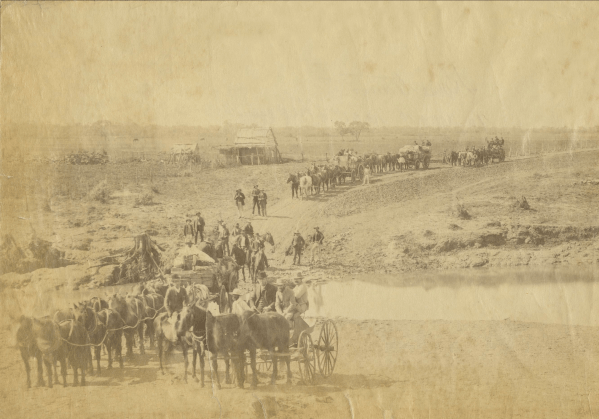
Let’s take a trip through time and explore the intensity and significance as the Shearers’ Strike of 1889 in Queensland, Australia. This watershed moment not only highlighted the deep-rooted tensions between workers and employers in the pastoral industry but also underscored the broader socio-economic landscape of late 19th-century Australia.
At the heart of the conflict lay the fundamental disparities between the shearers, the backbone of the pastoral industry, and the powerful landowners and squatters who controlled the vast sheep stations. The pastoral industry, which dominated the Australian economy at the time, relied heavily on the labor of shearers to maintain its profitability. However, the shearers faced abysmal working conditions, low wages, and arbitrary employment practices enforced by the station owners.
The year 1889 was marked by economic downturn and a depression that exacerbated the plight of the working class. Amidst this backdrop, the shearers found themselves increasingly disillusioned and resentful towards their employers, who continued to reap immense profits while denying them fair wages and basic rights. The brewing discontent among the shearers eventually reached a boiling point, leading to the eruption of the Shearers’ Strike.
The significance of the pastoral industry in 1889 cannot be overstated. Australia’s economy was heavily reliant on the export of wool, and the pastoral sector formed the cornerstone of the nation’s prosperity. However, this prosperity came at a steep cost to the workers who toiled under harsh conditions for meager pay. The shearers, predominantly unionized under the Australian Shearers’ Union (ASU), recognized the need to band together to demand better treatment and fair wages.
The Shearers’ Strike of 1889 was not merely a labor dispute; it was a battle for dignity, respect, and social justice. The shearers, emboldened by a newfound sense of solidarity, organized mass protests and strikes across Queensland, effectively bringing the pastoral industry to a standstill. The strike quickly gained momentum, drawing widespread attention and support from other segments of society, including urban workers, trade unions, and even sympathetic politicians.
The strike also highlighted the deep-seated class divisions and power imbalances that defined Australian society at the time. The landowners and squatters, who wielded immense political influence and economic clout, viewed the shearers’ demands as a threat to their vested interests. In response, they mobilized their resources to suppress the strike, employing tactics ranging from hiring strikebreakers to enlisting the support of law enforcement agencies.

Despite facing formidable opposition, the shearers displayed remarkable resilience and determination. They endured harsh reprisals, including mass arrests, blacklisting, and violence, yet remained steadfast in their struggle for justice. The strike persisted for several months, becoming one of the longest and most bitterly contested industrial disputes in Australian history.
Ultimately, while the Shearers’ Strike of 1889 did not achieve all of its immediate goals, it left an indelible mark on the Australian labor movement and collective consciousness. It paved the way for future labor reforms and laid the groundwork for the emergence of a more organized and militant labor movement in Australia. The strike also served as a stark reminder of the inherent tensions between capital and labor, and the ongoing struggle for social and economic justice in a rapidly changing world.
In conclusion, the Shearers’ Strike of 1889 stands as a testament to the courage, resilience, and solidarity of the Australian working class. It was a pivotal moment in the nation’s history, highlighting the enduring struggle for fair wages, decent working conditions, and human dignity. As we reflect on this momentous event, we are reminded of the importance of collective action, solidarity, and the ongoing pursuit of a more just and equitable society.
 History Class Australia