Remembering the Cataraqui Tragedy: Australia’s Forgotten Maritime Disaster of 1845

Nestled amidst tales of resilience and triumph, of Australian history lies a somber chapter often overlooked—the tragic sinking of the Cataraqui. On the stormy night of August 4th, 1845, off the rugged coast of King Island, a vessel carrying hopeful immigrants en route to Australia met its untimely demise. What unfolded would become the nation’s deadliest maritime civil disaster, claiming the lives of around 400 souls. Despite the passage of time, the memory of the Cataraqui tragedy endures as a poignant reminder of the perils faced by those who journeyed to the shores of a new land.

The Cataraqui: A Voyage of Dreams and Desperation: The Cataraqui embarked on its journey from England to Australia with a cargo of dreams and desperation. Among its passengers were individuals seeking refuge and opportunity in the distant colony, their aspirations illuminated by the promise of a new life awaiting them across the seas.

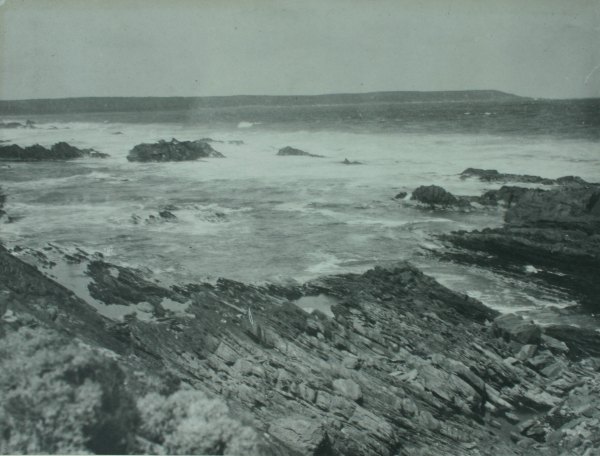
The Fateful Night: Disaster Strikes: As the Cataraqui navigated the treacherous waters off King Island on the night of August 4th, 1845, disaster struck with merciless force. Buffeted by raging winds and pounding waves, the vessel collided with jagged rocks, rending its hull and sealing the fate of those aboard. Amidst the chaos and terror, passengers and crew found themselves plunged into a desperate struggle for survival.

The Aftermath: Mourning and Loss: In the aftermath of the Cataraqui’s sinking, the waters off King Island bore witness to a scene of unimaginable tragedy. Rescue efforts were launched, but the toll of the disaster was staggering—nearly 400 lives lost, leaving behind a trail of mourning and devastation. Families and communities on both sides of the ocean grappled with the enormity of their loss, their grief echoing across the years.

Forgotten in Time: Why the Cataraqui Remains Obscure: Despite its status as Australia’s deadliest maritime civil disaster, the Cataraqui remains largely obscure in the annals of history. The passage of time, coupled with the multitude of tragedies that have since unfolded, has consigned its memory to the shadows. Yet, beneath the layers of obscurity lies a story of profound human suffering and resilience, deserving of remembrance and recognition.

Archibald J. Campbell (Photographer)Field Naturalists Club of Victoria (Organiser of Expedition) 1887

Significance in Australian History: Lessons Learned and Legacy: The sinking of the Cataraqui holds lessons that resonate across time and space. It serves as a stark reminder of the perils faced by early immigrants to Australia and the importance of maritime safety regulations and emergency preparedness. Moreover, it underscores the enduring legacy of tragedy in shaping Australia’s immigration policies and attitudes towards risk and safety.

Honoring the Memory: Commemorating the Cataraqui Tragedy: Efforts to commemorate the Cataraqui disaster serve as a testament to the enduring significance of its memory. From memorials and exhibitions to educational initiatives, these endeavors ensure that the stories of those who perished aboard the Cataraqui are preserved for future generations. By engaging with and reflecting on this tragic chapter in Australian history, we pay tribute to the resilience of the human spirit and honor the lives lost to the depths of the sea.

Conclusion: As we navigate the currents of history, let us not forget the tragedies that have shaped our collective identity. The sinking of the Cataraqui stands as a solemn reminder of the fragility of life and the resilience of the human spirit. In honoring the memory of those lost, we reaffirm our commitment to cherishing the past and safeguarding the future. May the souls of the Cataraqui’s passengers and crew rest in peace, forever remembered in the annals of Australian history.
Uncovering the Dark Legacy of the Batavia Wreck: A Harrowing Tale of Mass Murder and Marooning in Australian History

In the annals of Australian history, tales of maritime exploration often capture the imagination. Yet, amongst the narratives of adventure and discovery lies a darker chapter: the story of the Dutch East India Company ship Batavia. Sailing the treacherous waters off Western Australia in 1629, the Batavia’s wreck marked not only a maritime disaster but also a horrifying episode of mass murder and marooning that resonates through the ages.

Setting the Stage: The Dutch East India Company and the Batavia

To understand the significance of the Batavia wreck, one must first grasp the context of Dutch exploration in the 17th century. At the forefront of this exploration was the Dutch East India Company, a powerful trading entity with vast interests in the East Indies. The Batavia, a flagship of the Dutch fleet, embarked on a voyage of great importance, destined for the Dutch East Indies to further the Company’s trade objectives.

The Tragic Wreck and the Emergence of Chaos

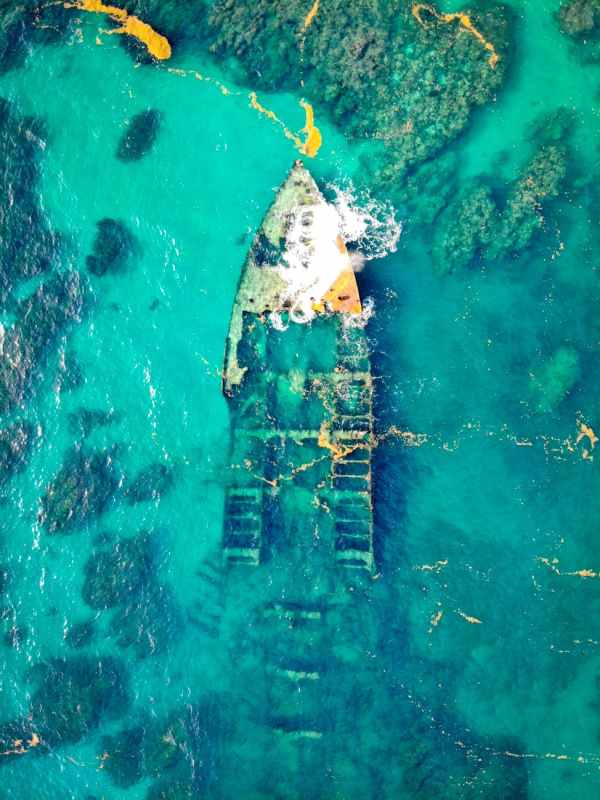
As the Batavia navigated the perilous waters off the coast of Western Australia, disaster struck. The ship foundered on a reef, leaving its passengers and crew stranded on nearby islands. In the immediate aftermath of the wreck, chaos reigned amongst the survivors as they struggled to come to terms with their predicament. Little did they know, however, that their ordeal was far from over.

Betrayal and Bloodshed: The Mass Murders on the Islands

Unbeknownst to many of the survivors, a sinister plot was unfolding amongst them. Led by a man named Jeronimus Cornelisz, a group of mutineers sought to seize power and establish their own rule over the stranded survivors. What followed was a series of brutal massacres, as Cornelisz and his followers slaughtered men, women, and children in their quest for dominance. The idyllic islands that had initially seemed like a sanctuary had become a scene of unspeakable horror.

Marooned: Stranded on the Western Australian Coast

Amidst the chaos and bloodshed, two men, Wouter Loos and Jan Pelgrom, found themselves marooned on the mainland by Cornelisz’s faction. Alone and vulnerable, they faced the daunting task of survival in the harsh Australian wilderness. Their encounters with Indigenous Australians added another layer of complexity to their struggle, as they navigated the challenges of communication and mutual understanding.

Photo by Kirandeep Singh Walia on Pexels.com

Justice and Redemption: The Aftermath of the Batavia Tragedy

Eventually, the survivors of the Batavia wreck were rescued, and the full extent of the atrocities committed came to light. Jeronimus Cornelisz and his accomplices were brought to justice, facing trial and punishment for their heinous crimes. While the scars of the Batavia tragedy would never fully heal, the pursuit of justice offered a semblance of closure for the victims and their descendants.

Legacy and Remembrance: Lessons from the Batavia Wreck

The saga of the Batavia wreck serves as a sobering reminder of the complexities of human nature and the fragility of civilization. Beyond its status as a maritime disaster, the Batavia tragedy holds valuable lessons for future generations. It reminds us of the importance of vigilance against tyranny and the need to uphold justice in the face of adversity. As we reflect on this dark chapter in Australian history, let us honor the memory of the victims and strive to learn from the mistakes of the past as we navigate the challenges of the present and future.

The Wreck of the Sydney Cove (1797): A Tale of Survival and Discovery in Australia’s History

In the shipping docks of Australian maritime history, few tales are as gripping and significant as that of the Sydney Cove. This merchant ship, bound for Port Jackson (modern-day Sydney), met its fate on the rugged shores of Preservation Island, Tasmania, in 1797. What ensued was a harrowing journey of survival, exploration, and the discovery of the Bass Strait islands that would leave an indelible mark on Australian history.

The Sydney Cove, laden with goods from Calcutta, set sail on a routine voyage to resupply the fledgling colony of New South Wales. Little did its crew know that they were embarking on a journey that would test their mettle in ways they could scarcely imagine.

As the ship navigated the treacherous waters of Bass Strait, it fell victim to violent storms and unforgiving reefs, eventually running aground on Preservation Island. Stranded in a hostile and unfamiliar environment, the crew faced a daunting challenge: survival.

Amidst the wreckage and chaos, the survivors banded together, drawing on their resourcefulness and resilience to endure the harsh conditions. They salvaged what supplies they could from the ship, constructed makeshift shelters, and hunted for food along the desolate shores.

But their ordeal was far from over. Recognizing the need for rescue, a group of men set out in a small boat, braving the perilous seas in search of help. Their journey was fraught with danger, navigating treacherous currents and battling the elements at every turn. Yet, driven by desperation and determination, they pressed on, clinging to hope against the odds.

Meanwhile, back on Preservation Island, the remaining survivors awaited news of their comrades’ fate, their spirits buoyed by the promise of salvation. Days turned into weeks, and still, there was no sign of rescue. Yet, amidst the uncertainty and despair, a remarkable discovery unfolded.

Exploring the uninhabited island, the survivors stumbled upon a bounty of natural resources, including seals and birds whose eggs provided much-needed sustenance. In their isolation, they forged a connection with the land, learning to coexist with its untamed beauty and unforgiving terrain.

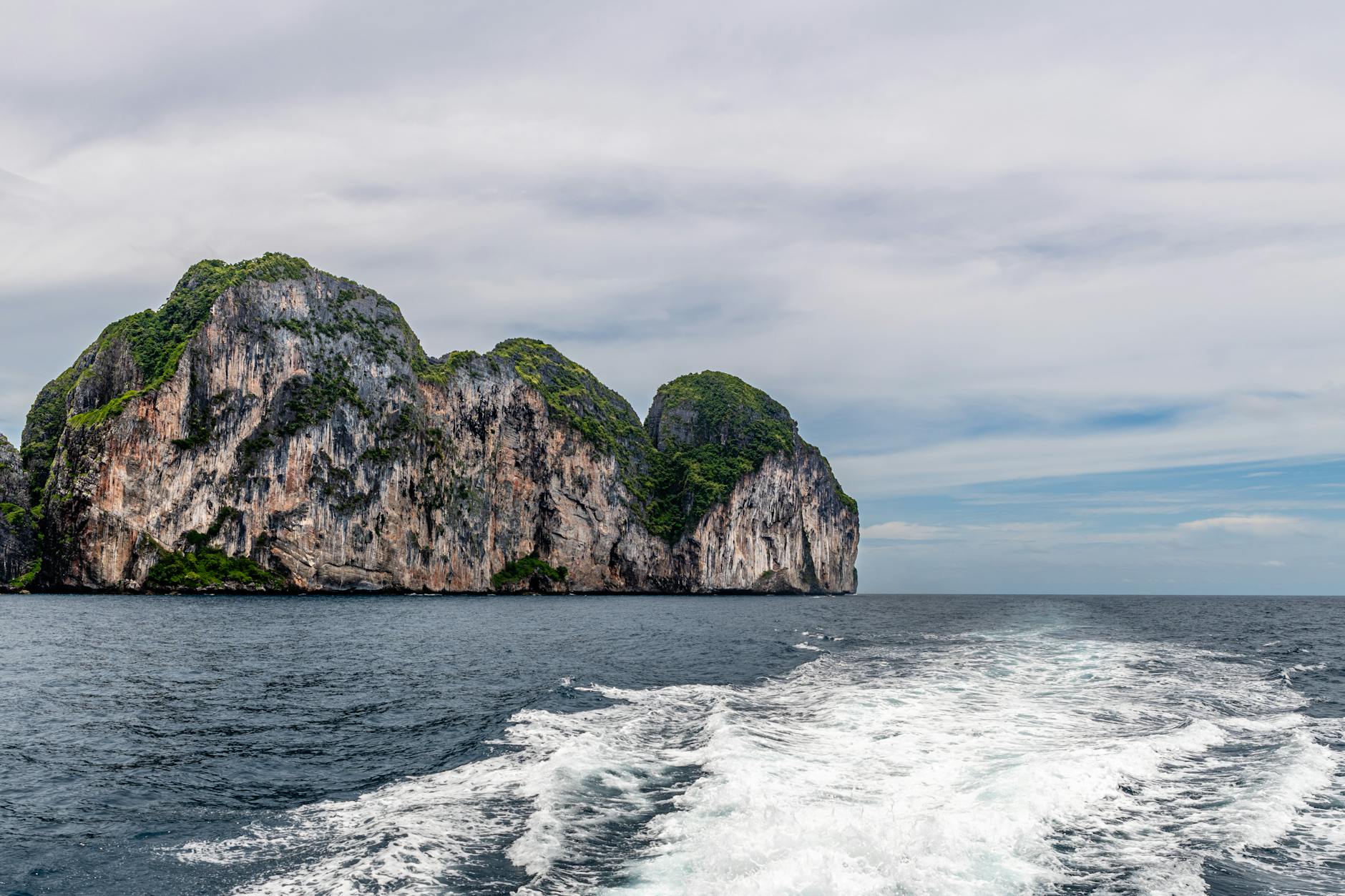
Photo by Marko Mocilac on Pexels.com

Finally, after enduring weeks of hardship and uncertainty, the rescue party returned, bearing news of their successful journey and the promise of deliverance. The survivors rejoiced, their faith in humanity restored and their bond with one another strengthened by shared adversity.

The legacy of the Sydney Cove extends far beyond the shores of Preservation Island. Its tale of survival and discovery serves as a testament to the resilience of the human spirit and the enduring spirit of exploration that has shaped Australia’s history. Today, the wreck serves as a poignant reminder of the challenges faced by those who dared to venture into the unknown, and the triumphs that await those who persevere against all odds.

Blog at WordPress.com.

Up ↑