
In the tapestry of Australian history, few threads are as significant as the introduction of Merino sheep in 1797. This pivotal moment, orchestrated by John Macarthur, a visionary in early Australian colonial history, laid the groundwork for a transformational shift in the nation’s economy and identity. The decision to import Merino sheep from the Cape Colony in South Africa wasn’t arbitrary; it was rooted in foresight and ambition. Macarthur recognized the untapped potential of Australia’s climate for sheep farming and saw an opportunity to capitalize on the burgeoning demand for fine wool in the British textile industry. The introduction of Merino sheep wasn’t merely an agricultural experiment; it was a strategic move to diversify Australia’s economic landscape and secure its place in the global market.
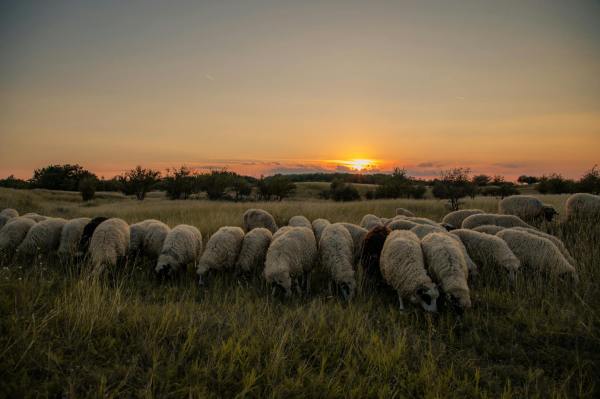
The benefits of this bold endeavor were manifold. The wool industry quickly emerged as a cornerstone of Australia’s economy, propelling the nation to the forefront of global wool production by the mid-19th century. The proliferation of sheep farming spurred rural development, creating communities and infrastructure that laid the foundation for Australia’s agricultural prosperity. The cultural impact was equally profound, as the image of vast pastoral lands dotted with grazing Merino sheep became synonymous with the Australian identity.
Today, the legacy of Merino sheep endures, albeit in a modernized form. Australia remains a leading producer of fine Merino wool, prized for its quality and purity. The wool industry has evolved with advancements in breeding techniques and sustainable farming practices, ensuring its continued relevance in the global market. Beyond economic significance, Merino sheep play a role in environmental stewardship, contributing to the maintenance of Australia’s pastoral lands when managed responsibly.
In tracing the trajectory of Australian history, the introduction of Merino sheep stands as a testament to the power of vision and innovation. It wasn’t merely the importation of livestock; it was the seeding of an industry that would shape the nation’s destiny. From the woolly revolution of the past to the sustainable practices of the present, Merino sheep continue to weave their thread through the fabric of Australian heritage, embodying the resilience, adaptability, and entrepreneurial spirit that define the nation’s character.
Moreover, the introduction of Merino sheep sparked a wave of agricultural innovation and experimentation in Australia. Farmers and breeders began to selectively breed Merinos for desirable traits, leading to the development of strains uniquely adapted to the Australian environment. This pursuit of excellence in sheep breeding not only enhanced wool quality but also contributed to the advancement of scientific knowledge in genetics and animal husbandry.
Additionally, the impact of Merino sheep extended beyond the boundaries of agriculture, influencing the social and political landscape of colonial Australia. The success of the wool industry bolstered Australia’s position within the British Empire, fostering a sense of pride and confidence among its inhabitants. The wealth generated from wool exports helped fuel infrastructure projects, education initiatives, and the development of urban centers, laying the groundwork for Australia’s emergence as a modern nation. Thus, the introduction of Merino sheep not only shaped the economic fortunes of Australia but also left an indelible mark on its societal and cultural evolution.
 History Class Australia