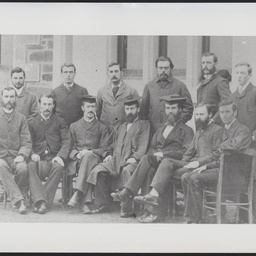
A Landmark in History: The Birth of the Commonwealth of Australia in 1901

Introduction:

In the annals of history, certain events stand out as pivotal moments that shape the trajectory of nations. The year 1901 marked such a moment for Australia, as the Australian Constitution came into effect, officially establishing the Commonwealth of Australia. This milestone not only signaled the birth of a nation but also ushered in significant changes that would reverberate through its society, politics, and identity.

Background:

Prior to 1901, Australia consisted of separate British colonies, each with its own governance and administration. The push for federation gained momentum in the late 19th century, driven by the desire for national unity, economic progress, and increased autonomy.

Establishment of the Commonwealth:

On January 1, 1901, the six colonies—New South Wales, Victoria, Queensland, South Australia, Western Australia, and Tasmania—united to form the Commonwealth of Australia. The Australian Constitution, drafted through a series of conventions, was enacted, providing the framework for the new federal government.

Significance in Australian History:

The establishment of the Commonwealth marked Australia’s evolution from a collection of colonies to a unified nation. It affirmed Australia’s identity as a distinct entity separate from its British roots, while maintaining ties to the British Crown. The Constitution enshrined principles of democracy, federalism, and the rule of law, laying the foundation for Australia’s system of government.

Changes and Impact:

Political Structure: The Commonwealth Parliament was established, consisting of the Senate and the House of Representatives, with powers delineated between the federal and state governments. National Identity: The creation of a national identity and citizenship reinforced the idea of “being Australian” distinct from being British. Socio-Economic Development: Federation facilitated the development of national policies and infrastructure, such as the transcontinental railway, promoting economic growth and connectivity across the continent. Indigenous Rights: The Constitution, however, did not recognize Indigenous Australians as citizens and excluded them from the census until 1967, highlighting ongoing challenges and struggles for equality.

Legacy and Continuity:

The establishment of the Commonwealth of Australia laid the groundwork for the nation’s continued growth and development. Over the years, amendments to the Constitution have reflected Australia’s evolving values and priorities, including the recognition of Indigenous rights and the expansion of federal powers.

Conclusion:

The year 1901 stands as a watershed moment in Australian history, marking the birth of the Commonwealth of Australia and the consolidation of its diverse colonies into a unified nation. The significance of this event reverberates through Australia’s political, social, and cultural landscape, shaping its identity and trajectory into the 21st century and beyond.

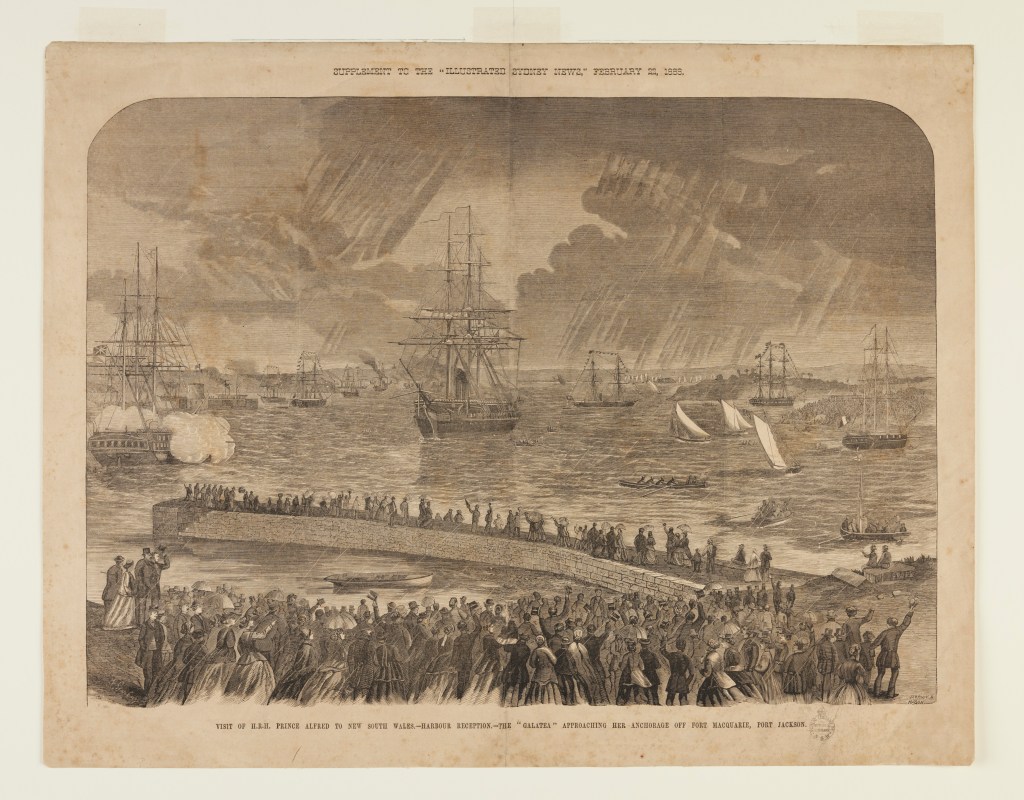
Prince Alfred’s Historic Visit: A Landmark in Australian History

On the crisp morning of October 31, 1867, the shores of Adelaide, Australia, witnessed a spectacle unlike any before. Amidst the cheers and fervor of a burgeoning nation, Prince Alfred, the second eldest son of Queen Victoria, stepped onto Australian soil, marking a pivotal moment in history. His arrival heralded the beginning of a new era, not only for the colony of South Australia but for the entire continent.

The journey of Prince Alfred to Australia was more than just a royal visit; it was a symbol of the growing ties between the British Empire and its distant colonies. As the first member of the British royal family to set foot on Australian shores, his arrival sparked immense excitement and anticipation among the populace. The mere presence of a royal figure on Australian soil symbolized recognition and validation of the colony’s progress and potential.

The journey itself was no small feat. Prince Alfred embarked on a long and arduous voyage across the vast expanse of the Southern Hemisphere, navigating treacherous waters and enduring the rigors of sea travel. His ship, HMS Galatea, embarked on a journey spanning thousands of miles, braving the unpredictable elements of the open ocean. Yet, despite the challenges, the prince’s determination to reach his destination remained unwavering.

Upon his arrival in Adelaide, Prince Alfred was greeted with an outpouring of enthusiasm and adulation. Throngs of people lined the streets, eager to catch a glimpse of the royal visitor and extend their warmest welcome. The atmosphere was electric, as the entire city came alive with festivities and celebrations in honor of their distinguished guest.

The significance of Prince Alfred’s visit extended far beyond the pomp and ceremony of royal protocol. It represented a turning point in Australian history, marking the beginning of a closer relationship between the mother country and its far-flung colonies. His presence served to strengthen ties between Britain and Australia, fostering a sense of unity and belonging among the inhabitants of the fledgling nation.

Prince Alfred visits Prince Alfred College, 1882

Moreover, Prince Alfred’s visit had a profound impact on the cultural and social fabric of Australian society. It provided a platform for the expression of national identity and pride, as Australians reveled in the opportunity to showcase their unique heritage and traditions to the world. The visit also helped to foster a sense of national consciousness, as citizens across the continent rallied around the common cause of building a prosperous and unified nation.

In retrospect, Prince Alfred’s historic visit to Australia remains etched in time as a landmark moment in the nation’s history. It served as a catalyst for change, inspiring future generations to strive for greatness and embrace the opportunities that lay ahead. As we reflect on this momentous occasion, we are reminded of the enduring bonds that connect Australia to its colonial past and the promising future that lies on the horizon.

Blog at WordPress.com.

Up ↑