The Eureka Stockade: A Turning Point in Australian History

In the ages of Australian history, certain events stand out as pivotal moments that shaped the nation’s identity. One such event is the Eureka Stockade of 1854, a rebellion that erupted in Ballarat, Victoria, fueled by grievances among gold miners against the colonial government’s administration. This watershed moment not only marked a violent clash between authority and the oppressed but also became a symbol of defiance and the struggle for democratic rights. Let’s delve into the lead-up to this historic event and its profound significance in Australian history.

Lead-up to the Event:

Gold Rush Boom: The 1850s witnessed a gold rush frenzy in Australia, particularly in Victoria. Thousands flocked to regions like Ballarat in search of fortune, drawn by the promise of gold. However, their hopes often collided with harsh realities, including exploitative practices by authorities and landowners.

Unfair Licensing System: The colonial government implemented a licensing system, requiring miners to pay a hefty fee for the right to search for gold. This system was deeply resented by miners, as it burdened them with heavy costs regardless of their success in finding gold. Moreover, the enforcement of these licenses was often oppressive and arbitrary.

Growing Discontent: As resentment simmered among the miners, grievances mounted over other issues such as inadequate representation, lack of basic rights, and rampant corruption among officials. The discontent was further fueled by socio-economic disparities and the perception of injustice perpetuated by the authorities.

Formation of Diggers’ Rights: In response to these injustices, miners began to organize themselves. They formed the Ballarat Reform League, advocating for democratic reforms and fair treatment of miners. The league’s demands included the abolition of the licensing system, representation in government, and judicial reform.

The Eureka Rebellion: Tensions reached a boiling point on December 3, 1854, when a confrontation erupted between miners and authorities at the Eureka Stockade. The miners, led by figures like Peter Lalor, erected a makeshift fortification to symbolize their resistance against the oppressive regime. Government troops, fearing insurrection, launched a dawn attack on the stockade, resulting in bloodshed and loss of lives.

Photo by Catarina Sousa on Pexels.com

Significance in Australian History:

Symbol of Resistance: The Eureka Stockade emerged as a powerful symbol of resistance against tyranny and injustice. It embodied the spirit of ordinary people standing up against oppressive regimes, inspiring generations of Australians to fight for their rights and freedoms.

Demands for Reform: The rebellion galvanized public opinion and brought widespread attention to the grievances of the miners. In the aftermath of the Eureka Stockade, the colonial government was forced to address some of the miners’ demands, leading to reforms such as the abolition of the license fee and improved representation.

Legacy of Democracy: The principles of democracy and civil liberties espoused by the rebels at Eureka have left a lasting legacy in Australian society. The ideals of equality, justice, and democracy continue to resonate, shaping the nation’s political landscape and institutions.

Cultural Iconography: The Eureka Stockade has been immortalized in Australian culture and folklore, celebrated in literature, art, and commemorative events. The iconic blue and white flag flown at the stockade, featuring the Southern Cross constellation, has become a symbol of Australian identity and the struggle for freedom.

The Eureka Stockade of 1854 stands as a defining moment in Australian history, embodying the spirit of defiance and the quest for democratic rights. It serves as a reminder of the sacrifices made by those who fought against oppression and injustice, and it continues to inspire movements for social change and reform. The legacy of Eureka remains ingrained in the collective consciousness of Australians, shaping their values, aspirations, and commitment to a more just and equitable society.


Unearthing Justice: The Significance of the 1856 Eureka Rebellion in Australian History

In the annals of Australian history, the Eureka Rebellion of 1856 stands as a pivotal moment, a testament to the struggle for justice and the fight against oppressive systems. Nestled in the goldfields of Ballarat, Victoria, this uprising marked a turning point in the nation’s journey towards democracy and fair governance. Let’s delve into the events leading up to the rebellion, its significance, and the lasting legacy it has left on Australia.

To truly understand the significance of the Eureka Rebellion, one must grasp the context in which it unfolded. In the mid-19th century, Australia was in the throes of a gold rush, drawing thousands of hopeful prospectors to its shores in search of fortune. Ballarat, with its rich deposits of gold, emerged as a bustling hub of activity, attracting miners from far and wide.

However, beneath the glittering surface lay a harsh reality. The miners toiled under oppressive conditions, subject to exorbitant licensing fees, arbitrary regulations, and scant representation in the colonial government. The grievances simmered as frustrations mounted, eventually reaching a boiling point.

Eureka Rebellion Historic Precinct: Dept of Environment and Heritage

The catalyst for the rebellion came in the form of the Gold Fields Act of 1855, which imposed a monthly licensing fee on miners, regardless of their success in finding gold. This burden fell disproportionately on the poorer prospectors, many of whom struggled to make ends meet.

As tensions escalated, so too did the calls for reform. The miners organized themselves, forming the Ballarat Reform League to advocate for their rights. Demands for fairer treatment, representation in government, and the abolition of the despised license fees reverberated throughout the goldfields.

On the fateful morning of December 3, 1854, the simmering discontent erupted into open rebellion. The authorities, fearing an uprising, moved to quell the unrest, leading to a confrontation at the Eureka Stockade. In the ensuing chaos, shots were fired, and lives were lost on both sides.

Though short-lived, the rebellion sent shockwaves across the colony and reverberated throughout the British Empire. The miners’ stand for justice and their willingness to sacrifice for their cause captured the imagination of the nation, galvanizing support for their plight.

In the aftermath of the rebellion, the government launched a crackdown, rounding up the ringleaders and suppressing dissent. However, the spirit of Eureka lived on, fueling calls for reform and ultimately leading to significant changes in the governance of the colony.

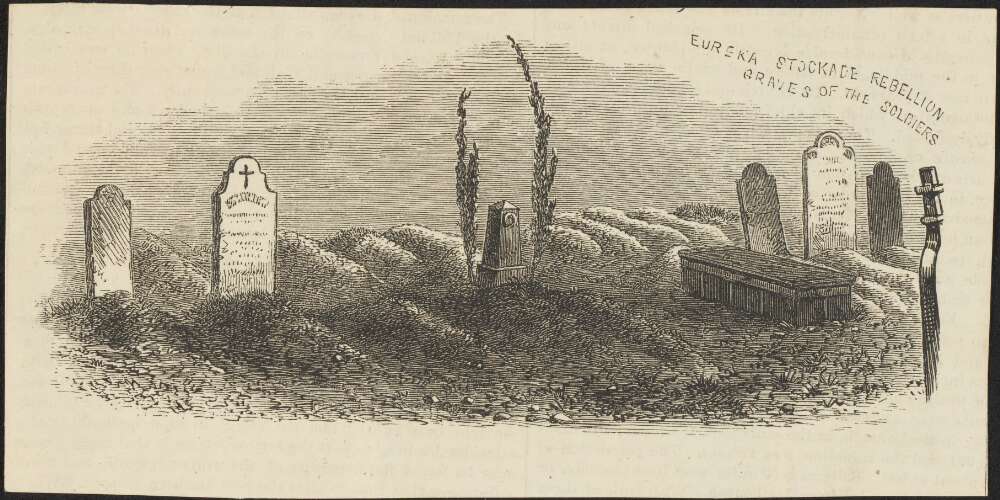
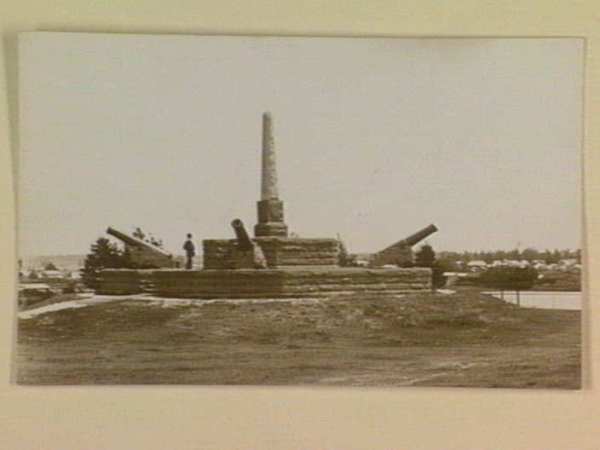
Eureka Stockade rebellion, graves of the soldiers Retrieved March 4, 2024

The legacy of the rebellion is profound, shaping the course of Australian history in myriad ways. It paved the way for greater democratic participation, leading to the introduction of universal male suffrage and a more representative government. The principles of fairness, equality, and justice enshrined in the Eureka oath continue to resonate with Australians to this day.

The Eureka Rebellion of 1856 remains a defining moment in Australian history, a testament to the power of ordinary people to challenge injustice and demand change. It serves as a reminder of the enduring struggle for freedom and democracy, inspiring generations to come to uphold the values of fairness, equality, and justice. As we reflect on its significance, let us honor the memory of those who stood tall at Eureka and reaffirm our commitment to building a better, more just society for all.

Unveiling the Castle Hill Rebellion of 1804: A Pivotal Moment in Australian History

In 1804 the nation experienced the This tumultuous uprising, shrouded in the complexities of colonial power dynamics and the struggle for freedom, stands as a testament to the resilience and determination of those who dared to challenge the status quo. As we delve into the depths of this historic rebellion, we uncover not only the events that transpired but also the profound implications it had on the course of Australian history.

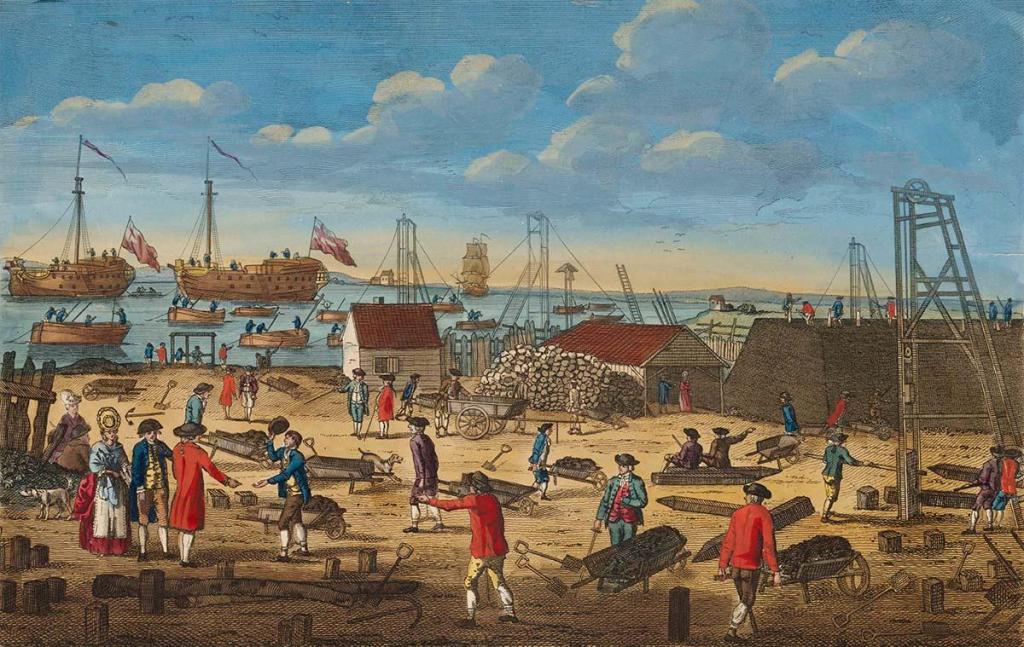
To comprehend the significance of the Castle Hill Rebellion, one must first grasp the socio-political landscape of early 19th-century Australia. In the fledgling colony of New South Wales, tensions simmered among the disparate groups that populated its shores. Convicts, many of whom had been transported from Britain for crimes both real and imagined, toiled under harsh conditions, while a privileged elite, comprising military officers and colonial administrators, wielded power with impunity. Amidst this backdrop of inequality and oppression, discontent festered, laying the groundwork for rebellion.

The roots of the Castle Hill Rebellion can be traced to the oppressive policies of Governor William Bligh, whose despotic rule fuelled resentment among the convict population. Bligh’s heavy-handed tactics, including his attempts to curb the illicit trade in rum, earned him the ire of many, particularly those with vested interests in the flourishing rum trade. As tensions escalated, rumours of rebellion began to circulate, finding fertile ground among the disaffected.

On the fateful day of March 4, 1804, the simmering discontent erupted into open rebellion. Led by Irish convicts, who saw parallels between their own struggle for independence and the fight against British oppression in their homeland, a motley crew of rebels seized control of the government farm at Castle Hill. Armed with makeshift weapons and fueled by a fervent desire for freedom, they marched towards Sydney, intent on overthrowing the colonial authorities.

However, their plans were soon thwarted by a combination of strategic blunders and the swift response of government forces. The rebellion was swiftly crushed, with scores of rebels captured or killed in the ensuing conflict. Those who survived faced harsh reprisals, including public execution and exile to the distant reaches of the colony.

While the Castle Hill Rebellion may have been short-lived, its significance reverberated far beyond the confines of colonial New South Wales. It served as a stark reminder of the inherent injustices of the convict system and the deep-seated desire for freedom that burned within the hearts of those subjected to its tyranny. Moreover, it catalyzed efforts to reform the colonial administration, paving the way for greater political autonomy and democratic governance in the years to come.

In the tapestry of Australian history, the Castle Hill Rebellion occupies a prominent place, serving as a testament to the indomitable spirit of those who dared to defy the odds in pursuit of liberty. As we reflect on the events of 1804, let us remember the sacrifices made by those who fought for a brighter future, and let us draw inspiration from their courage as we continue the ongoing quest for justice and equality.

The Rum Rebellion: Australia’s Fight for Governance and Freedom

In the annals of Australian history, one event stands out as a testament to the struggle for governance and the pursuit of freedom: the Rum Rebellion. This pivotal moment, which occurred in the early years of the colony, not only shaped the course of Australian politics but also the importance of principles such as democracy and the rule of law. Let’s delve into the story of the Rum Rebellion, exploring its causes, its unfolding, and its lasting impact on the Australian nation.

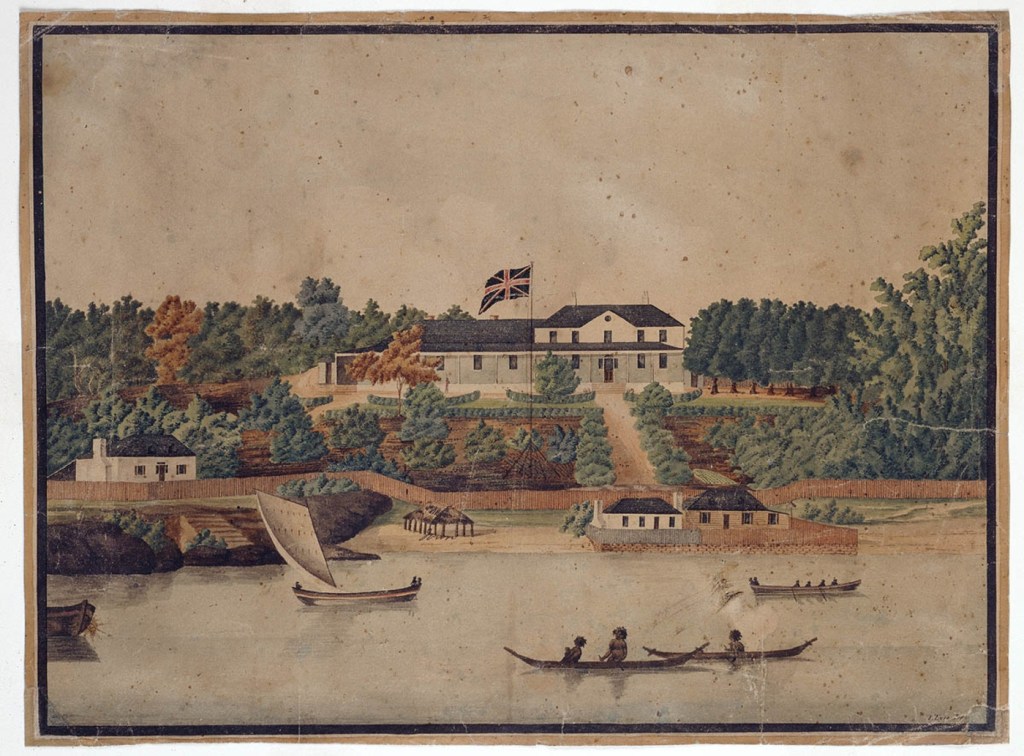
To understand the significance of the Rum Rebellion, we must first grasp the context in which it unfolded. In the late 18th century, Australia was primarily a British penal colony, established with the arrival of the First Fleet in 1788. The governance of the colony fell under the purview of the British Crown, with a Governor appointed to oversee affairs on behalf of the distant monarch.

However, the reality of life in the fledgling colony was far from smooth. Issues such as corruption, economic hardship, and social inequality plagued the early settlers. Moreover, the rum trade emerged as a prominent and lucrative industry, with rum often serving as a de facto currency in the absence of sufficient coinage.

At the heart of the Rum Rebellion lay the influence of the New South Wales Corps, colloquially known as the Rum Corps. Formed to provide military protection to the colony, this regiment soon became embroiled in the economic and political affairs of early Australia. Many of its officers were involved in the rum trade, leveraging their positions for personal gain and power.

Under the leadership of officers such as Major George Johnston, the Rum Corps wielded considerable influence, often at odds with the appointed governors. This tension between the military and civilian authorities would eventually reach a boiling point, setting the stage for the events that would come to define the Rum Rebellion.

The catalyst for the Rum Rebellion came in the form of Governor William Bligh, of HMS Bounty fame. Appointed to govern New South Wales in 1806, Bligh arrived with a reputation for staunch discipline and an uncompromising stance against corruption. His efforts to lower the illegal rum trade and challenge the entrenched interests of the Rum Corps immediately put him at odds with the military establishment.

Bligh’s confrontational style and attempts to enforce strict regulations on the rum trade earned him the enmity of many influential figures within the colony, particularly those with vested interests in the lucrative enterprise. As tensions escalated, a showdown between the governor and the Rum Corps became inevitable.

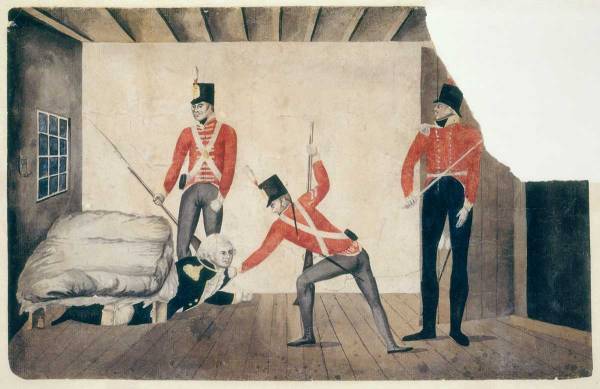
The spark that ignited the Rum Rebellion occurred on the morning of January 26, 1808, when Governor Bligh ordered the arrest of Johnston and several other officers for their involvement in the illegal rum trade. In a swift and audacious move, Johnston, backed by the Rum Corps, responded by seizing control of the government and imprisoning Bligh, effectively usurping his authority.

The rebellion was remarkably bloodless, yet its implications were profound. For the first time in Australian history, a governor had been forcibly removed from office by military force, setting a dangerous precedent for the rule of law and civil governance in the colony. Despite Bligh’s eventual release and the dispatch of a new governor, the legacy of the rebellion would cast a long shadow over Australian politics.

In the aftermath of the Rum Rebellion, the British government launched an inquiry into the events surrounding Bligh’s deposition. While Johnston and other key figures were eventually recalled to England to face charges, the broader ramifications of the rebellion reverberated throughout the colony.

The episode exposed the fragility of colonial governance and highlighted the need for stronger mechanisms of accountability and oversight. It also galvanized calls for greater democratic reforms and increased civilian control over military affairs. Over time, the principles of responsible government and representative democracy would take root, shaping the future trajectory of Australian politics.

The Rum Rebellion stands as a pivotal moment in Australia’s history, symbolizing the struggle for governance and freedom in the early years of the colony. It serves as a reminder of the enduring values of democracy, accountability, and the rule of law, which continue to underpin the Australian nation today. By understanding the causes and consequences of the rebellion, we gain insight into the complex dynamics that shaped the evolution of Australian society and politics, laying the foundation for the vibrant democracy that exists today.

Blog at WordPress.com.

Up ↑