
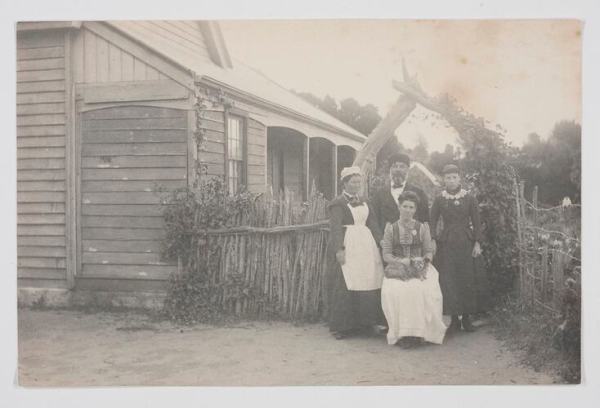
In 1893, a historic milestone resonated across Australia as women in South Australia secured the right to vote and stand for parliament. This monumental achievement marked a turning point in the country’s history, setting a precedent for gender equality and political empowerment that reverberated throughout the nation.
The granting of suffrage to women in South Australia was a watershed moment not only for the state but for the entire country. It signaled a departure from traditional norms and paved the way for a more inclusive and representative democracy. Women, who had long been marginalized from the political sphere, finally gained a voice and a platform to advocate for their rights and interests.
This landmark decision was instrumental in challenging entrenched gender stereotypes and fostering a more equitable society. It challenged the prevailing notion that women were unfit for political participation and demonstrated their capacity for leadership and governance. By recognizing women as full and equal citizens, South Australia set a progressive example for the rest of Australia to follow.
Moreover, the enfranchisement of women in South Australia laid the foundation for the emergence of prominent female figures in Australian politics. Women such as Dame Enid Lyons, the first female member of the House of Representatives, and Dame Quentin Bryce, the first female Governor-General of Australia, drew inspiration from the trailblazing suffragists of South Australia. Their achievements serve as a testament to the enduring legacy of women’s suffrage in empowering generations of Australian women to pursue leadership roles and make meaningful contributions to society.
In addition to its political implications, the granting of suffrage to women in South Australia had profound social and cultural ramifications. It challenged traditional gender roles and contributed to a more progressive and egalitarian society. Women gained greater autonomy and agency, enabling them to participate more fully in public life and shape the course of history.
In conclusion, the milestone of women gaining the right to vote and stand for parliament in South Australia in 1893 holds immense significance in Australian history. It was a triumph for gender equality and democracy, laying the groundwork for the advancement of women’s rights and the emergence of influential female leaders. The legacy of this pivotal moment continues to inspire and empower women in Australia and around the world to strive for equality and social justice.










 History Class Australia