

In the annals of Australian history, the Federation Drought of 1895 stands as a testament to the harsh realities of nature and its profound impact on the nation’s development. This catastrophic event, often dubbed as the worst drought since European settlement, holds immense significance in shaping the socio-economic and environmental landscape of Australia. As we delve into its depths, we uncover not only tales of adversity and resilience but also pivotal moments that laid the groundwork for the nation’s future.
The late 19th century witnessed Australia on the cusp of a significant transformation. With the colonies moving towards federation, the Federation Drought struck at a critical juncture, leaving an indelible mark on the collective consciousness of the nation-to-be. Stretching from 1895 to 1903, this prolonged period of aridity wreaked havoc across vast swathes of the continent, crippling agriculture, decimating livestock, and plunging communities into dire poverty.
At its core, the Federation Drought was not merely a natural disaster; it was a crucible that tested the resilience of the Australian spirit. Remote outposts and burgeoning settlements found themselves isolated and vulnerable as water sources dwindled, crops withered, and livestock perished en masse. The harsh realities of survival forced individuals and communities to confront the stark fragility of their existence, fostering a sense of solidarity and camaraderie amidst the adversity.
The impact of the drought reverberated far beyond the agricultural sector, permeating every facet of Australian society. Economic turmoil gripped the nation as export revenues plummeted, businesses faltered, and unemployment soared. The urban populace, often insulated from the harsh realities of rural life, grappled with rising food prices and dwindling supplies, prompting calls for government intervention and assistance.
Moreover, the Federation Drought laid bare the inadequacies of existing infrastructure and governance structures in mitigating the impacts of such calamities. The lack of coordinated relief efforts and the absence of a unified national response underscored the urgent need for a cohesive approach to disaster management and resource allocation. In many ways, this period of crisis served as a catalyst for the consolidation of Australian identity and the push towards federation.
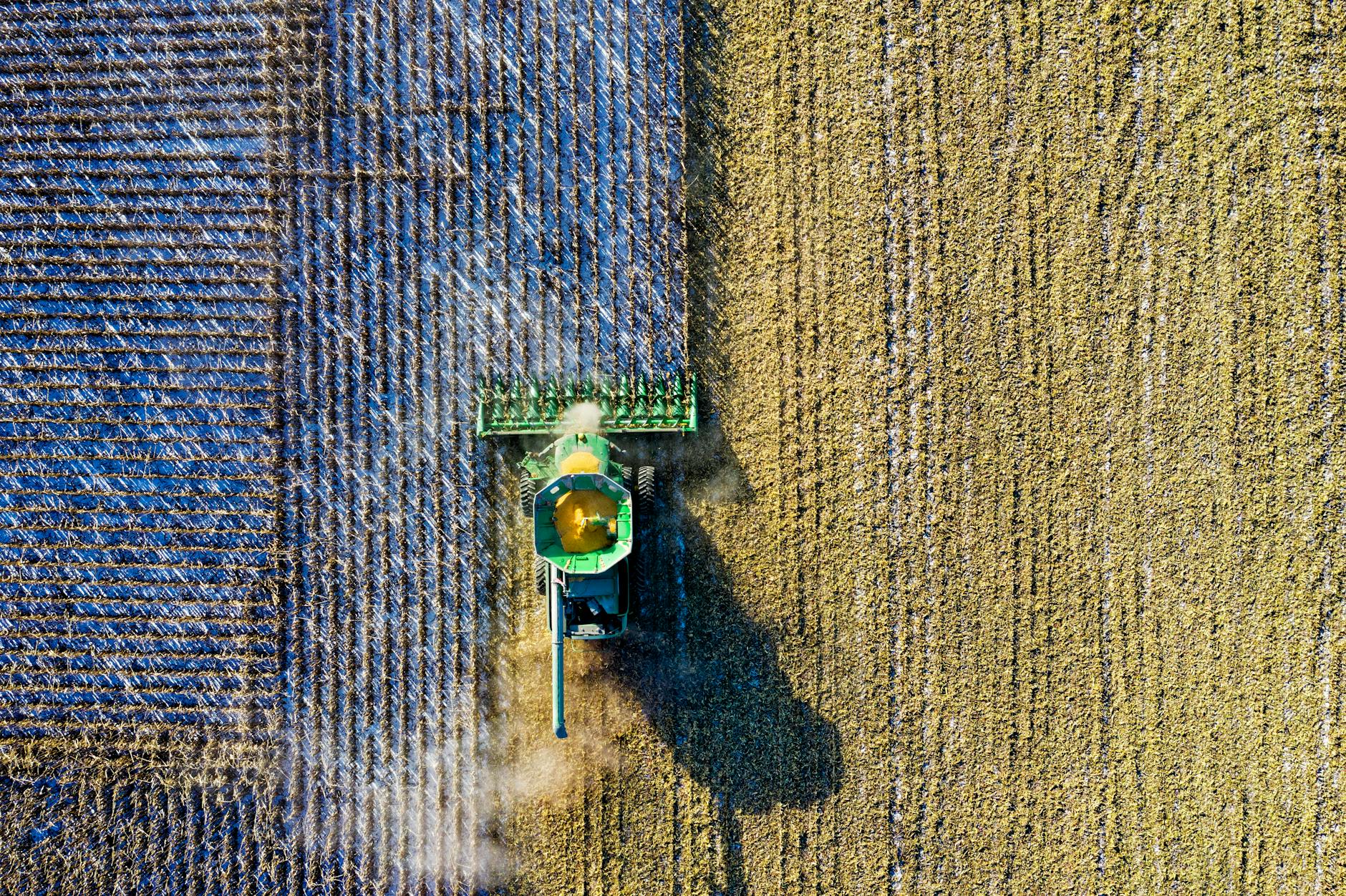
Amidst the despair and desolation, tales of resilience and ingenuity emerged as beacons of hope. Communities banded together, sharing resources, and supporting one another through acts of altruism and solidarity. Innovations in water conservation and agricultural practices arose out of necessity, laying the groundwork for future advancements in sustainability and resilience.
The Federation Drought also sparked a paradigm shift in the national psyche, fostering a deeper appreciation for the fragile balance between humanity and the environment. It served as a sobering reminder of the intrinsic interconnectedness of ecosystems and the need for responsible stewardship of the land. As Australia grappled with the aftermath of this cataclysmic event, it embarked on a journey towards environmental consciousness and sustainable development.
In hindsight, the Federation Drought serves as a poignant reminder of the enduring resilience of the Australian spirit in the face of adversity. It represents a pivotal moment in the nation’s history, where hardship and suffering laid the foundation for unity and progress. As we reflect on this seminal event, let us honor the sacrifices of those who endured its wrath and draw inspiration from their resilience as we navigate the challenges of the future.
In conclusion, the Federation Drought of 1895 stands as a watershed moment in Australian history, shaping the nation’s trajectory and leaving an indelible imprint on its collective consciousness. From the ashes of despair arose a newfound sense of unity, resilience, and environmental stewardship that continues to resonate to this day. As we commemorate this historic event, let us heed its lessons and strive towards a future where the bonds of community and the sanctity of the land are cherished and preserved for generations to come.













 History Class Australia