
Unveiling the Legacy: The Founding of Perth in 1829 and Its Significance in Australian History

In the annals of Australian history, the founding of Perth in 1829 stands as a pivotal moment, marking the dawn of Western Australia’s modern era. Nestled along the serene waters of the Swan River, Perth emerged as a beacon of opportunity and ambition, transforming the landscape and shaping the destiny of a continent. As we delve into the rich tapestry of its founding, we uncover not only the spirit of exploration and enterprise but also the complexities and consequences that reverberate through time.

The genesis of Perth can be traced back to the vision of Captain James Stirling, a pioneering figure whose aspirations extended beyond the confines of established settlements in the eastern reaches of Australia. Determined to explore and colonize the vast expanse of the west, Stirling embarked on a journey that would culminate in the establishment of a new outpost, laying the foundation for what would become the capital city of Western Australia.

Arriving on the shores of the Swan River in 1827, Stirling and his expeditionary force were greeted by a landscape of breathtaking beauty and untapped potential. Inspired by the fertile soil, temperate climate, and strategic location, Stirling envisioned a thriving settlement that would serve as a gateway to the riches of the west.

Two years later, Stirling’s vision materialized with the official establishment of the Swan River Colony on the 2nd of May, 1829. Named after Perth in Scotland, the new settlement embodied the aspirations of its founders, heralding a new chapter in Australia’s colonial history.

Photo by Gregory Mellotte on Pexels.com

The significance of Perth’s founding resonates on multiple levels, encompassing economic, social, and geopolitical dimensions. At its core, Perth represented a strategic outpost in the British Empire’s global ambitions, expanding its sphere of influence and securing vital trade routes in the Southern Hemisphere. The establishment of a permanent settlement in Western Australia not only bolstered Britain’s presence in the region but also laid the groundwork for the eventual colonization and development of vast tracts of land.

Economically, Perth became a hub of commerce and industry, attracting settlers from far and wide in search of land, opportunity, and fortune. The fertile soil of the Swan River Valley proved ideal for agriculture, while the burgeoning port facilitated trade and connectivity with the rest of the world. From the early days of timber milling and whaling to the later booms in gold mining and agriculture, Perth emerged as a vital engine of growth and prosperity in the Australian landscape.

Yet, amidst the promise of progress, Perth’s founding also brought forth a myriad of challenges and conflicts. The dispossession of Indigenous Australians from their ancestral lands, the erosion of traditional ways of life, and the imposition of colonial authority cast a shadow over the settlement’s legacy. The clash of cultures and interests would shape the course of history, leaving indelible scars on the social fabric of Western Australia.

Moreover, Perth’s founding marked the beginning of a complex relationship between settlers and the natural environment, highlighting the delicate balance between exploitation and conservation. The rapid expansion of urban infrastructure, coupled with the demands of a growing population, placed immense pressure on the region’s ecosystems, leading to environmental degradation and habitat loss.

As we reflect on the founding of Perth in 1829, we are confronted with a nuanced tapestry of triumphs and tribulations, progress and pitfalls. Its significance in Australian history transcends mere dates and events, embodying the hopes, dreams, and aspirations of countless individuals who dared to venture into the unknown.

Today, Perth stands as a vibrant metropolis, a testament to the enduring spirit of resilience and reinvention. From its humble origins on the banks of the Swan River to its status as a global city of the 21st century, Perth continues to evolve and adapt, embracing diversity and innovation as the hallmarks of its identity.

In commemorating the founding of Perth, we pay homage to the pioneers and visionaries who dared to defy the odds and carve out a new destiny on the shores of Western Australia. Their legacy endures in the fabric of our nation, reminding us of the enduring power of human endeavor and the boundless potential of the human spirit.
Unveiling Australia’s Western Frontier: The Birth of Swan River Colony

In the pages of Australian history, certain milestones stand as testament to the nation’s rich tapestry of colonization, culture, and heritage. Among these, the establishment of the Swan River Colony, later known as Perth, in 1829 holds a significant place. This pivotal event not only marked the dawn of European settlement in Western Australia but also set the stage for the transformation of an untamed frontier into a thriving urban center. Let’s delve into the backstory and significance of this momentous occasion.

The Backstory: The early 19th century was an era marked by the expansionist ambitions of European powers, eager to explore and exploit new territories across the globe. Australia, with its vast and uncharted lands, beckoned as a promising frontier for British colonization. By the late 1820s, the British government had already established settlements in the eastern part of the continent, notably Sydney and Hobart. However, the vast expanse of Western Australia remained largely uncharted and uninhabited by European settlers.

Enter Captain James Stirling, a visionary naval officer tasked with the exploration and surveying of Australia’s western coastline. Intrigued by the fertile lands and natural beauty of the Swan River region, Stirling saw great potential for establishing a new colony that could serve as a strategic outpost and agricultural hub. With the support of influential backers in Britain, including the Colonial Office and the Western Australian Land Company, Stirling embarked on a mission to realize his ambitious vision.

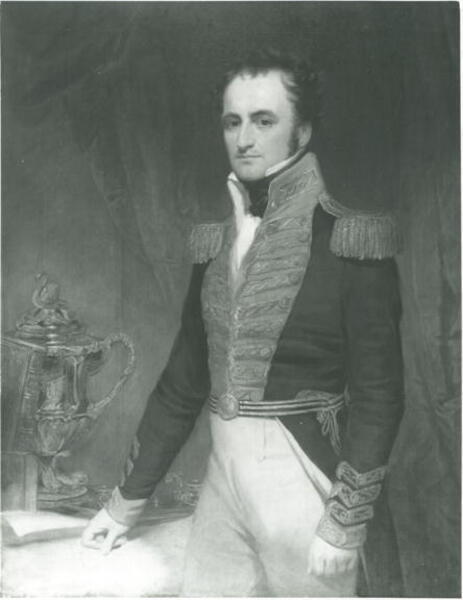
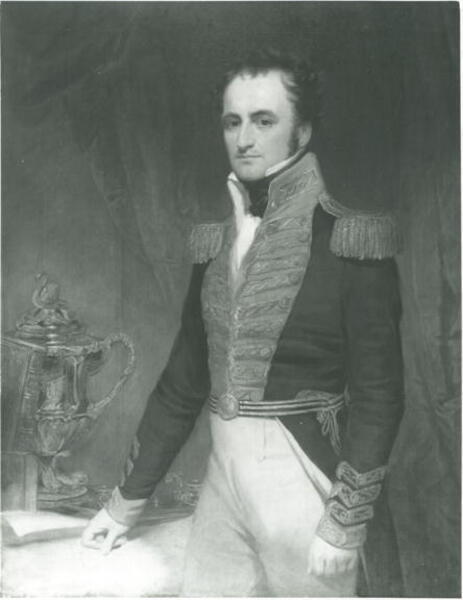
Captain James Stirling, R.N. Lieutenant-Governor of the Swan River colony, 1828-32

The Establishment of Swan River Colony: On 2nd May 1829, the HMS Parmelia, under the command of Captain Stirling, anchored off the shores of the Swan River, heralding the formal establishment of the Swan River Colony. With a diverse group of settlers onboard, including farmers, tradesmen, and skilled laborers, the fledgling colony began to take shape on the pristine shores of what would later become Perth.

The significance of this event cannot be overstated. For the first time, European settlers established a permanent foothold in Western Australia, marking the beginning of a new chapter in the region’s history. The fertile soils and temperate climate of the Swan River valley promised abundant opportunities for agriculture and settlement, attracting pioneers from across the British Empire.

Challenges and Triumphs: However, the journey towards building a prosperous colony was fraught with challenges. The initial years were marked by hardship, as settlers grappled with unfamiliar terrain, hostile indigenous resistance, and logistical difficulties. The failure of early agricultural ventures, coupled with the absence of adequate infrastructure, threatened to undermine the viability of the fledgling settlement.

Yet, despite these setbacks, the resilience and determination of the early colonists prevailed. Through perseverance and ingenuity, they gradually overcame adversity, establishing farms, businesses, and institutions that laid the foundation for future growth and prosperity. The establishment of Perth as the colony’s capital in 1829 further bolstered its significance as a focal point of economic and administrative activity in Western Australia.

Photo by Nothing Ahead on Pexels.com

Legacy and Impact: The legacy of the Swan River Colony endures to this day, shaping the cultural, economic, and social landscape of modern Australia. The pioneering spirit of its early settlers laid the groundwork for the development of Western Australia into a vibrant and dynamic state, renowned for its natural beauty, resource abundance, and entrepreneurial spirit.

Moreover, the establishment of Perth as a major urban center has positioned Western Australia as a key player in the nation’s economic trajectory, contributing significantly to industries such as mining, agriculture, and tourism. The multicultural fabric of contemporary Perth reflects the diverse heritage of its early settlers, fostering a rich tapestry of traditions, cuisines, and customs.

Conclusion: In retrospect, the founding of the Swan River Colony in 1829 stands as a testament to the spirit of exploration, enterprise, and resilience that defines the Australian identity. From humble beginnings on the shores of the Swan River, Perth has emerged as a vibrant metropolis, symbolizing the enduring legacy of those who dared to venture into the unknown. As we commemorate this historic milestone, let us celebrate the courage and vision of those who paved the way for a brighter future in Australia’s western frontier.

Blog at WordPress.com.

Up ↑