

In the annals of Australian history, there are moments that stand out as stark reminders of the country’s complex past, where the clash of cultures and the pursuit of land and power led to tragic consequences. One such event is the Black Line of 1830, an attempt by the colonial authorities to corral and subjugate the Aboriginal population of the Tasman Peninsula. This dark chapter, though often overlooked, left an indelible mark on the landscape of Australia and its people.
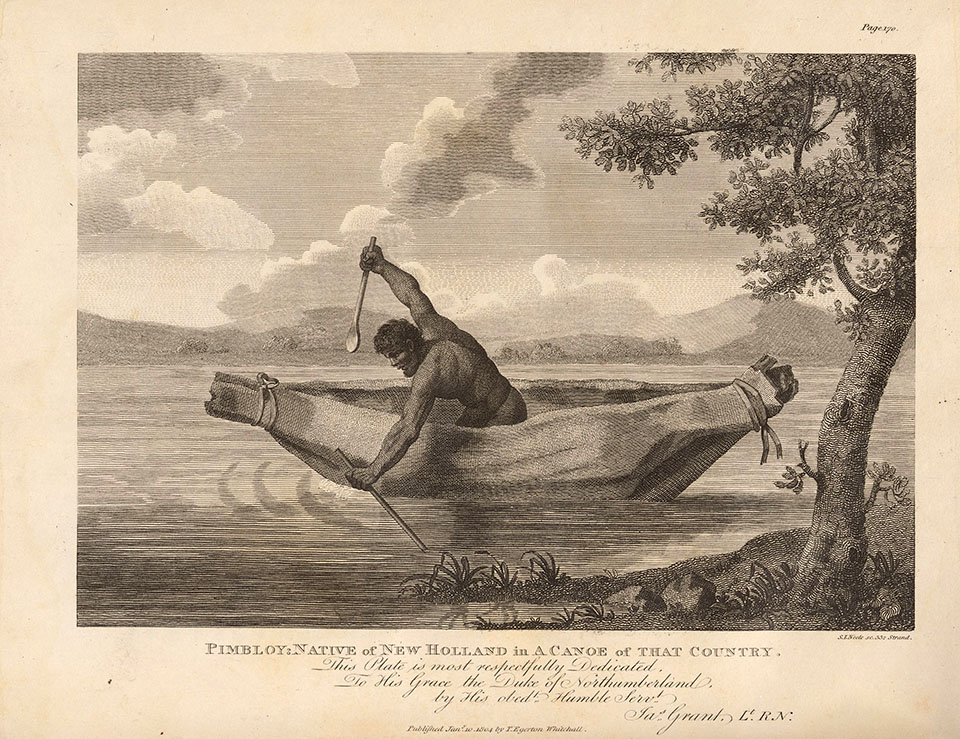
In the early 19th century, as European settlers expanded across the Australian continent, they encountered Indigenous populations who had lived on the land for tens of thousands of years. These encounters were marked by misunderstandings, conflicts, and violence, as each group sought to assert their dominance and secure their interests. By the 1830s, tensions had reached a boiling point in Van Diemen’s Land (present-day Tasmania), as settlers encroached further into Aboriginal territories, disrupting traditional ways of life and leading to resistance from the Indigenous inhabitants.
In response to this resistance and a series of violent clashes between settlers and Aboriginal groups, the colonial government of Tasmania devised a plan known as the Black Line. The goal was to round up and capture all remaining Aboriginal people on the Tasman Peninsula, thereby clearing the surrounding areas for European settlement and reducing the perceived threat to colonial interests. This ambitious and deeply flawed plan involved forming a human chain, or “line,” stretching across the peninsula, with armed settlers and soldiers marching in unison to drive the Aboriginal people towards capture.
The Black Line, which took place in October 1830, was a logistical nightmare from the outset. The terrain of the Tasman Peninsula was rugged and densely forested, making it difficult to maintain a continuous line of searchers. Additionally, the Aboriginal people were well-versed in the land and adept at evading capture, employing their knowledge of the terrain to outmaneuver the encroaching forces. Despite the efforts of the settlers and soldiers, the Black Line ultimately failed to achieve its objective of capturing the remaining Aboriginal population.
While the Black Line may have failed in its immediate goal, its impact on Australian history cannot be understated. The event laid bare the deep-seated racism and colonial attitudes towards the Indigenous peoples of Australia, viewing them as obstacles to be removed rather than as rightful inhabitants of the land. The Black Line also highlighted the inherent brutality of colonial expansion, as armed forces were mobilized to forcibly remove and subjugate Indigenous populations in the pursuit of land and resources.
Furthermore, the failure of the Black Line underscored the resilience and determination of the Aboriginal people in the face of colonial oppression. Despite facing overwhelming odds and the threat of violence, they continued to resist and defend their traditional lands and way of life. The legacy of this resistance lives on in the ongoing struggle for Indigenous rights and recognition in Australia today.
In the decades following the Black Line, the Aboriginal population of Tasmania continued to suffer dispossession, displacement, and violence at the hands of European settlers. Their numbers dwindled, their cultures were suppressed, and their land was taken from them. It was not until much later, through acts of reconciliation and restitution, that steps were taken to acknowledge the injustices of the past and to work towards healing the wounds inflicted upon Australia’s Indigenous peoples.
In conclusion, the Black Line of 1830 stands as a somber reminder of the dark realities of Australia’s colonial history. It serves as a testament to the resilience of the Aboriginal people in the face of adversity and the ongoing struggle for justice and recognition. By confronting the painful truths of the past, we can strive to build a more inclusive and equitable future for all Australians, one that acknowledges and respects the rights and experiences of Indigenous peoples.


 History Class Australia