

In Australia’s history, the arrival of the Hougoumont in 1868 marks a pivotal moment that reverberates through time, echoing the end of an era while heralding the dawn of a new chapter. As the last convict ship to dock on the shores of Western Australia, its significance transcends its final voyage, encapsulating a narrative of punishment, resilience, and transformation.
The Hougoumont, a vessel laden not only with human cargo but also with the weight of a contentious past, embarked on its journey from England bound for Fremantle, Western Australia. Departing from the shores of Britain, it carried with it the echoes of an era characterized by societal upheaval and the evolving perceptions of justice and punishment.
The arrival of the Hougoumont in Western Australia in 1868 was symbolic of the culmination of a penal system that had defined Australia’s colonial history. For decades, convict transportation had been a cornerstone of British penal policy, shaping the demographics, culture, and landscape of the continent. However, as attitudes towards punishment shifted and the efficacy of transportation came under scrutiny, the era of mass convict migration drew to a close.
The significance of the Hougoumont’s arrival lies not only in its historical context but also in its broader implications for Australian society. The end of convict transportation marked a turning point in the nation’s identity, as it transitioned from a distant outpost of the British Empire to a burgeoning nation in its own right. The closure of this chapter paved the way for new narratives of immigration, settlement, and nation-building, shaping the fabric of modern Australia.
Moreover, the story of the Hougoumont is intertwined with the individual narratives of the men and women who found themselves aboard its decks. From petty thieves to political dissidents, each convict carried with them a unique tale of survival, resilience, and redemption. Their experiences, though varied and diverse, collectively contributed to the rich tapestry of Australian history, underscoring the complex interplay of punishment, rehabilitation, and social change.
Beyond its historical significance, the legacy of the Hougoumont endures as a testament to the resilience of the human spirit. For the convicts who endured the arduous journey across the seas, the arrival in Western Australia represented both an end and a new beginning. It was a moment of reckoning with the past and a chance to forge a future in a land of opportunity and uncertainty.
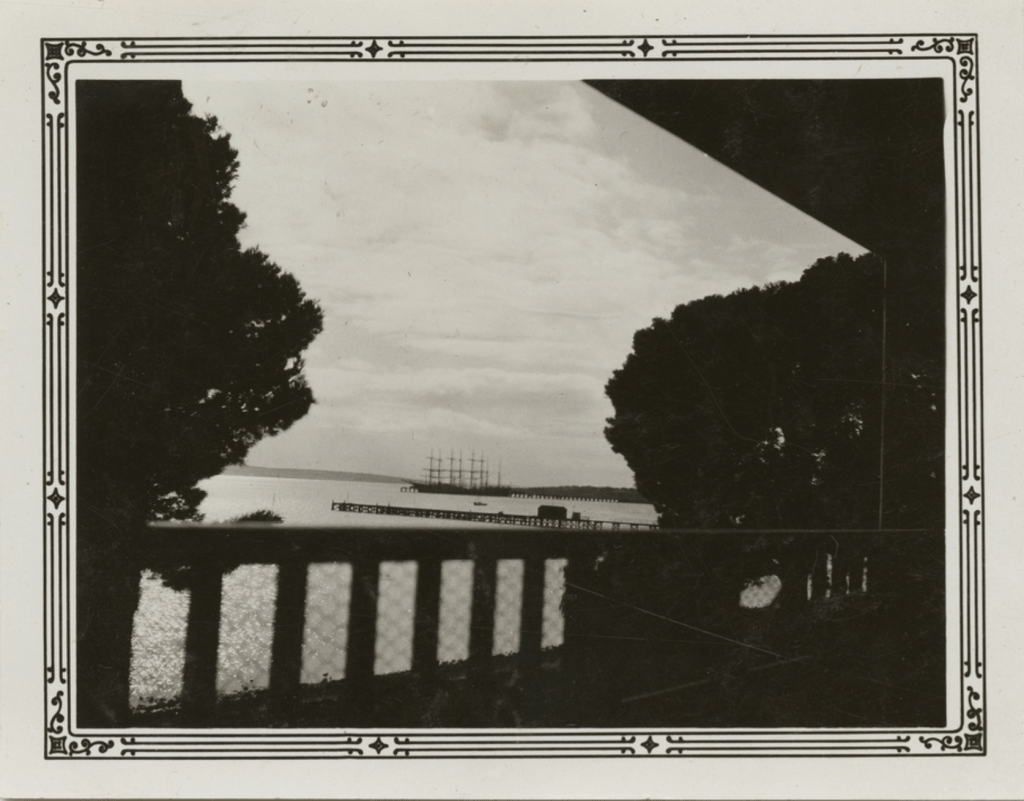
In commemorating the legacy of the Hougoumont, we are reminded of the complexities of Australia’s colonial history and the enduring impact of its convict past. It serves as a poignant reminder of the importance of confronting and acknowledging the darker chapters of our collective history, while also celebrating the resilience and diversity of the human experience.
As we reflect on the significance of the Hougoumont’s arrival in Western Australia in 1868, we are challenged to consider the broader implications of our shared history and the ways in which it continues to shape the identity and trajectory of our nation. In doing so, we honor the enduring legacy of those who embarked on that final journey, their stories woven into the fabric of Australia’s past, present, and future.
 History Class Australia