
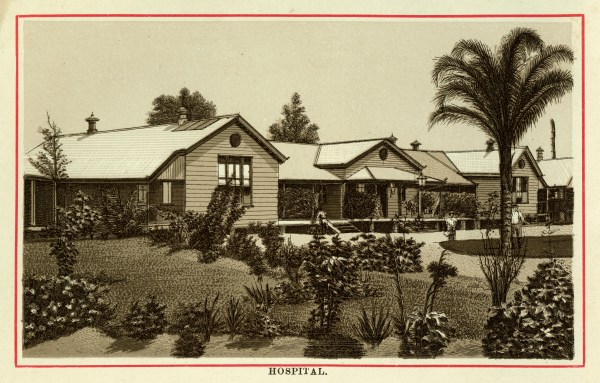
In Australia’s history, few landmarks stand as testament to the nation’s journey quite like the 1816 Rum Hospital. Nestled in the heart of Sydney, this edifice marked not just the advent of public healthcare in the colony but also heralded a transformative chapter in the evolution of Australia’s societal fabric. As we delve into the significance of this venerable institution, we unearth a narrative rich in resilience, innovation, and the relentless pursuit of public welfare.
The Genesis of a Vision
The genesis of the Rum Hospital can be traced back to the convicts’ arduous journey to Australia’s shores and the pressing need for medical care in the burgeoning colony. At a time when healthcare was a luxury afforded only to the privileged few, Governor Lachlan Macquarie envisioned an institution that would cater to the health needs of all, regardless of social standing. Thus, in 1810, the construction of the hospital commenced under the supervision of famed architect Francis Greenway, himself a former convict turned visionary architect.
A Beacon of Hope Amidst Adversity
The completion of the Rum Hospital in 1816 marked a turning point in Australian healthcare, offering a beacon of hope amidst the harsh realities of colonial life. With its imposing sandstone façade and state-of-the-art facilities, the hospital symbolized a commitment to the well-being of every resident, irrespective of their background. From treating ailments common among convicts to providing sanctuary for the destitute, the Rum Hospital emerged as a cornerstone of compassion and care in a land fraught with uncertainty.
Pioneering Healthcare Innovation
Beyond its architectural grandeur, the Rum Hospital was a hotbed of medical innovation, pioneering treatments and techniques that would shape the trajectory of Australian healthcare. Under the stewardship of dedicated physicians and surgeons, the institution became synonymous with excellence in medical education and research. From the development of groundbreaking surgical procedures to the implementation of public health initiatives, the hospital’s legacy reverberated far beyond its sandstone walls, laying the groundwork for a robust healthcare system.
A Catalyst for Social Change
The significance of the Rum Hospital extends beyond its medical prowess, serving as a catalyst for social change in colonial Australia. By democratizing access to healthcare, the institution challenged entrenched class divisions and fostered a sense of community solidarity. Patients from all walks of life found solace within its wards, forging bonds that transcended societal barriers. Moreover, the hospital’s inclusive ethos set a precedent for future endeavors in public welfare, inspiring generations to strive for a more equitable society.
Legacy and Continuity
Though the Rum Hospital ceased operations in the late 19th century, its legacy endures as a testament to the resilience and vision of those who dared to dream of a better future. Today, the site serves as a heritage precinct, preserving the rich tapestry of Australia’s past for future generations to behold. Moreover, the values embodied by the hospital – compassion, inclusivity, and innovation – continue to shape the ethos of contemporary healthcare in Australia, reminding us of the enduring power of collective action in pursuit of the common good.
Conclusion
In commemorating the legacy of the 1816 Rum Hospital, we pay homage to a pivotal moment in Australian history – a moment that encapsulates the nation’s journey from adversity to triumph. As we reflect on the institution’s significance, let us not only celebrate its architectural splendor but also honor the enduring ideals of compassion and equity that it represents. For in the hallowed halls of the Rum Hospital, we find not just a relic of the past, but a guiding light illuminating the path towards a healthier, more inclusive future for all Australians.
 History Class Australia