Captain James Cook: Charting Australia’s Eastern Coastline in 1770

In the annals of maritime history, few names resonate with the same reverberating impact as that of Captain James Cook. A master navigator, explorer, and cartographer, Cook’s voyages across uncharted waters have left an indelible mark on the map of human knowledge. Among his many exploits, one of the most significant was his exploration and mapping of the eastern coastline of Australia in 1770, an achievement that not only reshaped geographical understanding but also profoundly influenced the course of Australian history.

The year was 1770 when Cook, aboard the HMS Endeavour, embarked on a mission commissioned by the Royal Society and the British Admiralty. His task: to observe the transit of Venus across the sun, a rare astronomical event that held profound scientific implications. However, Cook’s ambitions extended far beyond this celestial spectacle. Equipped with a spirit of exploration and a relentless thirst for discovery, he set his sights on uncovering the mysteries of the uncharted lands of the Southern Hemisphere.

Sailing across the vast expanse of the Pacific Ocean, Cook and his crew faced countless challenges, from treacherous reefs to unpredictable weather. Yet, through sheer determination and navigational prowess, they pressed onward, inching closer to the shores of Terra Australis Incognita – the fabled southern land whose existence had long tantalized European explorers.

It was on the 19th of April, 1770, that Cook first sighted the eastern coast of Australia, marking a pivotal moment in the history of exploration. Over the ensuing months, he meticulously charted and mapped the coastline with astonishing precision, documenting its contours, landmarks, and natural features with unprecedented accuracy. From the rugged cliffs of the Great Dividing Range to the sandy shores of Botany Bay, Cook’s cartographic efforts provided an invaluable foundation for future navigation and colonization.

But Cook’s significance transcends mere cartography. His voyages heralded the dawn of a new era in Australian history, one characterized by European exploration, colonization, and interaction with indigenous peoples. While Cook’s arrival on the continent undoubtedly had profound and often tragic consequences for Australia’s indigenous inhabitants, it also marked the beginning of a process of cross-cultural exchange and the forging of new identities.

Moreover, Cook’s exploration of Australia’s eastern coastline laid the groundwork for subsequent British colonization and settlement. In the decades that followed his voyage, waves of British settlers would flock to the shores he had charted, seeking new opportunities and a fresh start in the far-flung corners of the British Empire. The establishment of British colonies, from New South Wales to Queensland, would reshape the landscape – both physical and cultural – of Australia forever.

Yet, Cook’s legacy is a complex and contested one. While celebrated as a hero in many quarters, he is also a figure fraught with controversy and ambiguity. His encounters with indigenous peoples, marked by misunderstanding, violence, and dispossession, have come under intense scrutiny in recent years, prompting a reevaluation of his place in the pantheon of Australian history.

Nonetheless, there can be no denying the profound impact of Cook’s exploration and mapping of Australia’s eastern coastline. His voyages opened up new horizons, both literally and figuratively, and laid the groundwork for the transformation of a vast and untamed land into a modern nation. Whether viewed through the lens of exploration, colonization, or indigenous history, Captain James Cook remains an enduring and enigmatic figure, whose legacy continues to shape the contours of Australian identity to this day.


The Birth of Advocacy: The Significance of the Australian Labor Party

In the heart of Australia’s Queensland, nestled in the town of Barcaldine, a pivotal moment in history unfolded in 1891. It was here that the Australian Labor Party (ALP) was formed, igniting a flame of advocacy for workers’ rights and interests that would shape the nation’s political landscape for decades to come.

The establishment of the ALP marked a monumental shift in Australian politics, as it became the first political party in the country to primarily represent the interests of the working class. At a time when industrialization was rapidly changing the economic and social fabric of the nation, workers faced myriad challenges, including long hours, poor wages, and unsafe working conditions.

The formation of the ALP provided a platform for workers to voice their grievances and fight for meaningful change. Through collective action and political representation, the party aimed to address the injustices faced by ordinary Australians and champion policies that would improve their lives.

One of the key principles that underpinned the ALP’s ideology was the notion of social justice. From its inception, the party advocated for policies such as minimum wages, maximum working hours, and workplace safety regulations, laying the groundwork for Australia’s modern labor laws.

Moreover, the ALP played a significant role in shaping the nation’s social welfare system, championing initiatives such as universal healthcare, pensions, and unemployment benefits. These policies were instrumental in promoting equality and improving the standard of living for all Australians.

Throughout its history, the Australian Labor Party has been home to many influential politicians who have left an indelible mark on the nation’s political landscape. One such figure is Andrew Fisher, who served as Australia’s Prime Minister on three separate occasions between 1908 and 1915. Fisher was a staunch advocate for workers’ rights and is remembered for his commitment to social reform.

Another notable Labor leader is Gough Whitlam, who served as Prime Minister from 1972 to 1975. Whitlam’s government introduced a raft of progressive policies, including universal healthcare, free tertiary education, and indigenous land rights, fundamentally reshaping the Australian political landscape.

In more recent times, Julia Gillard made history as Australia’s first female Prime Minister, leading the country from 2010 to 2013. Gillard’s government implemented several landmark policies, including the introduction of a carbon pricing scheme and the establishment of the National Disability Insurance Scheme.

The Australian Labor Party’s legacy extends far beyond its formation in Barcaldine in 1891. It has been instrumental in shaping the nation’s political landscape and advancing the interests of ordinary Australians. From advocating for workers’ rights to championing social reform, the ALP continues to play a pivotal role in shaping the future of Australia.

As we reflect on the significance of the Australian Labor Party, we are reminded of the power of collective action and the importance of standing up for what is right. The principles of social justice and equality that the ALP embodies are as relevant today as they were over a century ago, serving as a beacon of hope for a fairer and more just society.

The Shearers’ Strike of 1889: A Saga of Struggle and Significance

Let’s take a trip through time and explore the intensity and significance as the Shearers’ Strike of 1889 in Queensland, Australia. This watershed moment not only highlighted the deep-rooted tensions between workers and employers in the pastoral industry but also underscored the broader socio-economic landscape of late 19th-century Australia.

At the heart of the conflict lay the fundamental disparities between the shearers, the backbone of the pastoral industry, and the powerful landowners and squatters who controlled the vast sheep stations. The pastoral industry, which dominated the Australian economy at the time, relied heavily on the labor of shearers to maintain its profitability. However, the shearers faced abysmal working conditions, low wages, and arbitrary employment practices enforced by the station owners.

The year 1889 was marked by economic downturn and a depression that exacerbated the plight of the working class. Amidst this backdrop, the shearers found themselves increasingly disillusioned and resentful towards their employers, who continued to reap immense profits while denying them fair wages and basic rights. The brewing discontent among the shearers eventually reached a boiling point, leading to the eruption of the Shearers’ Strike.

The significance of the pastoral industry in 1889 cannot be overstated. Australia’s economy was heavily reliant on the export of wool, and the pastoral sector formed the cornerstone of the nation’s prosperity. However, this prosperity came at a steep cost to the workers who toiled under harsh conditions for meager pay. The shearers, predominantly unionized under the Australian Shearers’ Union (ASU), recognized the need to band together to demand better treatment and fair wages.

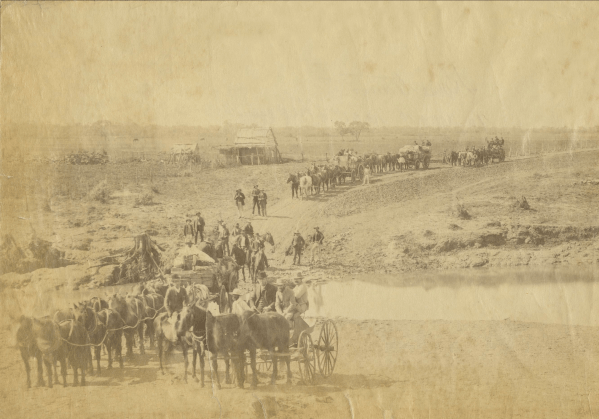
The Shearers’ Strike of 1889 was not merely a labor dispute; it was a battle for dignity, respect, and social justice. The shearers, emboldened by a newfound sense of solidarity, organized mass protests and strikes across Queensland, effectively bringing the pastoral industry to a standstill. The strike quickly gained momentum, drawing widespread attention and support from other segments of society, including urban workers, trade unions, and even sympathetic politicians.

The strike also highlighted the deep-seated class divisions and power imbalances that defined Australian society at the time. The landowners and squatters, who wielded immense political influence and economic clout, viewed the shearers’ demands as a threat to their vested interests. In response, they mobilized their resources to suppress the strike, employing tactics ranging from hiring strikebreakers to enlisting the support of law enforcement agencies.

Photo by Rachel Claire on Pexels.com

Despite facing formidable opposition, the shearers displayed remarkable resilience and determination. They endured harsh reprisals, including mass arrests, blacklisting, and violence, yet remained steadfast in their struggle for justice. The strike persisted for several months, becoming one of the longest and most bitterly contested industrial disputes in Australian history.

Ultimately, while the Shearers’ Strike of 1889 did not achieve all of its immediate goals, it left an indelible mark on the Australian labor movement and collective consciousness. It paved the way for future labor reforms and laid the groundwork for the emergence of a more organized and militant labor movement in Australia. The strike also served as a stark reminder of the inherent tensions between capital and labor, and the ongoing struggle for social and economic justice in a rapidly changing world.

In conclusion, the Shearers’ Strike of 1889 stands as a testament to the courage, resilience, and solidarity of the Australian working class. It was a pivotal moment in the nation’s history, highlighting the enduring struggle for fair wages, decent working conditions, and human dignity. As we reflect on this momentous event, we are reminded of the importance of collective action, solidarity, and the ongoing pursuit of a more just and equitable society.

Unfurling the Veil of History: The Hougoumont’s Legacy in Australian History

In Australia’s history, the arrival of the Hougoumont in 1868 marks a pivotal moment that reverberates through time, echoing the end of an era while heralding the dawn of a new chapter. As the last convict ship to dock on the shores of Western Australia, its significance transcends its final voyage, encapsulating a narrative of punishment, resilience, and transformation.

The Hougoumont, a vessel laden not only with human cargo but also with the weight of a contentious past, embarked on its journey from England bound for Fremantle, Western Australia. Departing from the shores of Britain, it carried with it the echoes of an era characterized by societal upheaval and the evolving perceptions of justice and punishment.

The arrival of the Hougoumont in Western Australia in 1868 was symbolic of the culmination of a penal system that had defined Australia’s colonial history. For decades, convict transportation had been a cornerstone of British penal policy, shaping the demographics, culture, and landscape of the continent. However, as attitudes towards punishment shifted and the efficacy of transportation came under scrutiny, the era of mass convict migration drew to a close.

The significance of the Hougoumont’s arrival lies not only in its historical context but also in its broader implications for Australian society. The end of convict transportation marked a turning point in the nation’s identity, as it transitioned from a distant outpost of the British Empire to a burgeoning nation in its own right. The closure of this chapter paved the way for new narratives of immigration, settlement, and nation-building, shaping the fabric of modern Australia.

Moreover, the story of the Hougoumont is intertwined with the individual narratives of the men and women who found themselves aboard its decks. From petty thieves to political dissidents, each convict carried with them a unique tale of survival, resilience, and redemption. Their experiences, though varied and diverse, collectively contributed to the rich tapestry of Australian history, underscoring the complex interplay of punishment, rehabilitation, and social change.

Beyond its historical significance, the legacy of the Hougoumont endures as a testament to the resilience of the human spirit. For the convicts who endured the arduous journey across the seas, the arrival in Western Australia represented both an end and a new beginning. It was a moment of reckoning with the past and a chance to forge a future in a land of opportunity and uncertainty.

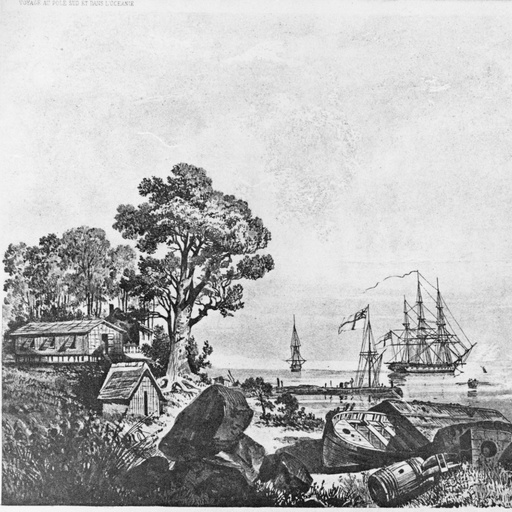
View across Boston Bay showing ‘Hougomont’ 5 March 1929

In commemorating the legacy of the Hougoumont, we are reminded of the complexities of Australia’s colonial history and the enduring impact of its convict past. It serves as a poignant reminder of the importance of confronting and acknowledging the darker chapters of our collective history, while also celebrating the resilience and diversity of the human experience.

As we reflect on the significance of the Hougoumont’s arrival in Western Australia in 1868, we are challenged to consider the broader implications of our shared history and the ways in which it continues to shape the identity and trajectory of our nation. In doing so, we honor the enduring legacy of those who embarked on that final journey, their stories woven into the fabric of Australia’s past, present, and future.

Tragedy and Triumph: The Burke and Wills Expedition

In the history of Australian exploration, few tales evoke the mix of bravery, ambition, and tragedy quite like the Burke and Wills expedition of 1860-1861. Led by Robert O’Hara Burke and William John Wills, this ambitious journey aimed to traverse the vast Australian continent from south to north, a feat never before accomplished. What began as a daring adventure ended in heartbreak, highlighting both the indomitable spirit of exploration and the harsh realities of the Australian wilderness.

The mid-19th century was an era of exploration and discovery, fueled by a fervent desire to unlock the secrets of the unknown. In this climate, the Royal Society of Victoria issued a challenge: to cross Australia from Melbourne in the south to the Gulf of Carpentaria in the north. Robert Burke, an Irish-born police officer, seized the opportunity, seeing it as a chance for fame and glory. With a team of men, including William Wills, a surveyor and astronomer, the expedition set forth on August 20, 1860, amidst cheers and fanfare from the crowds of Melbourne.

The expedition encountered its first obstacle in the form of rugged terrain and unpredictable weather. As they pushed through dense forests and arid plains, supplies dwindled, and tensions rose among the men. Yet, Burke’s determination remained unshaken, driving the team forward despite mounting challenges.

After months of grueling travel, Burke and a small group of men finally reached the northern coast, achieving their goal of crossing the continent. However, their triumph was short-lived. Unbeknownst to them, a relief party sent by the Royal Society had arrived at their base camp just hours earlier, missing each other by a cruel twist of fate. With provisions exhausted and morale low, the return journey became a desperate struggle for survival.

As the expedition retraced its steps southward, disaster struck. Weakened by starvation and disease, Burke, Wills, and several others succumbed to the unforgiving landscape. Their bodies were discovered by Aboriginal people, who provided them with a proper burial. The tragic fate of Burke and Wills captured the imagination of the nation, sparking both mourning and reflection on the perils of exploration.

Despite its tragic conclusion, the Burke and Wills expedition left an enduring legacy in Australian history. It brought attention to the harsh realities of the Australian interior and paved the way for future explorations and scientific endeavors. The courage and resilience displayed by the members of the expedition inspired subsequent generations of Australians to push the boundaries of knowledge and exploration.

The story of the Burke and Wills expedition serves as a poignant reminder of the human capacity for both triumph and tragedy. It is a testament to the adventurous spirit that drives us to explore the unknown, even in the face of great danger. Though their journey ended in sorrow, the legacy of Burke and Wills lives on, immortalized in the annals of Australian history.

The Telegraph Revolution: Connecting Australia in 1855

In the books of Australian history, 1855 marks a significant milestone—the establishment of the first telegraph line linking Melbourne to Williamstown. This technological marvel not only transformed communication within the continent but also played a pivotal role in shaping Australia’s social, economic, and political landscape. Let’s delve into this remarkable feat, its historical significance, and the challenges overcome in its implementation.

The telegraph’s arrival in Australia heralded a new era of communication, replacing traditional methods such as mail delivery and semaphore signaling. With the ability to transmit messages at unprecedented speeds, the telegraph facilitated instantaneous communication over vast distances, revolutionizing the way information was disseminated.

The significance of the Melbourne to Williamstown telegraph line cannot be overstated. It provided a vital link between two key points in Victoria, enabling swift communication between the bustling port city of Melbourne and its neighboring suburb of Williamstown. This connection proved indispensable for businesses, government agencies, and individuals alike, fostering economic growth, facilitating trade, and enhancing administrative efficiency.

Moreover, the telegraph line played a crucial role in enhancing Australia’s connectivity with the rest of the world. By establishing connections to international telegraph networks, Australia was no longer isolated, but rather integrated into the global communication network. This newfound connectivity not only bolstered trade and commerce but also facilitated the exchange of ideas, knowledge, and culture on an unprecedented scale.

However, the journey towards establishing the telegraph line was fraught with challenges. One of the most significant obstacles was the harsh and unforgiving Australian landscape. Spanning vast distances of rugged terrain, including dense forests, arid plains, and rugged mountains, laying the telegraph line presented formidable logistical challenges.

Furthermore, the harsh environmental conditions posed a threat to the telegraph infrastructure itself. From extreme heat and wildfires to floods and cyclones, the telegraph lines were constantly exposed to the elements, requiring meticulous maintenance and repair efforts to ensure uninterrupted communication.

Technical challenges also abounded during the installation of the telegraph line. Engineers and technicians had to overcome various technical hurdles, including designing and constructing sturdy telegraph poles, developing reliable transmission equipment, and establishing efficient operating procedures.

Moreover, the telegraph’s introduction was not without its skeptics and detractors. Some questioned the feasibility and utility of the telegraph, while others expressed concerns about its potential to undermine existing communication systems. However, these doubts were swiftly dispelled as the telegraph proved its worth, transforming communication in Australia and beyond.

In conclusion, the establishment of the first telegraph line in Australia between Melbourne and Williamstown in 1855 marked a watershed moment in the nation’s history. Not only did it revolutionize communication within the continent, but it also facilitated Australia’s integration into the global communication network. Despite facing numerous challenges, from harsh environmental conditions to technical obstacles, the telegraph persevered, leaving an indelible mark on Australian society and shaping its future trajectory.

Port Essington: A Brief Yet Significant Chapter in Australian History

Port Essington, nestled in the Northern Territory, stands as a testament to Australia’s colonial past. Established in 1842 as a British settlement, its story unfolds as a captivating narrative of ambition, struggle, and ultimately, the pursuit of progress. Despite its short-lived existence, Port Essington left an indelible mark on Australian history, both politically and economically.

At the dawn of the 19th century, Australia was a land ripe with potential, beckoning explorers and settlers to its shores. Seeking to expand their influence in the region, the British turned their gaze towards the Northern Territory, envisioning Port Essington as a strategic outpost in the Asia-Pacific trade network. Named after Vice-Admiral Sir William Essington, the settlement was intended to serve as a hub for commerce and maritime activity.

The establishment of Port Essington represented a convergence of interests, with the British government, merchants, and explorers all eager to capitalize on the region’s resources. Situated on the Cobourg Peninsula, the settlement boasted a natural harbor and fertile lands, ideal for agriculture and trade. However, its remote location posed logistical challenges, necessitating substantial investment in infrastructure and manpower.

Despite these obstacles, Port Essington flourished in its early years, attracting a diverse array of settlers and traders from across the globe. The settlement became a melting pot of cultures, with Indigenous Australians, Europeans, and Asians coexisting in a vibrant community. This cultural exchange enriched the social fabric of Port Essington, shaping its identity as a cosmopolitan outpost in the Australian frontier.

Economically, Port Essington played a pivotal role in the development of northern Australia, serving as a gateway to the continent’s untapped resources. Timber, pearls, and spices flowed through its ports, fueling trade routes that spanned the Pacific Ocean. The settlement’s strategic location also facilitated diplomatic relations with neighboring countries, positioning Australia as a key player in the geopolitics of the region.

The Settlement at Port Essington, 1839

However, Port Essington’s prosperity was short-lived, as the harsh realities of colonial life began to take their toll. Disease, isolation, and conflicts with Indigenous peoples plagued the settlement, undermining its viability as a sustainable outpost. As the costs of maintaining Port Essington mounted, the British government faced mounting pressure to abandon the venture.

In 1849, just seven years after its establishment, Port Essington was officially abandoned, marking the end of an era in Australian history. While its demise may have seemed like a setback at the time, the legacy of Port Essington endures to this day. The settlement’s brief yet impactful existence laid the groundwork for future developments in northern Australia, paving the way for subsequent waves of colonization and exploration.

Today, Port Essington stands as a testament to Australia’s colonial past, a reminder of the aspirations and challenges that shaped the nation’s trajectory. Its ruins serve as a poignant reminder of the human endeavor that once thrived in this remote corner of the continent, leaving an indelible mark on the landscape and the collective memory of Australians.

In conclusion, the significance of Port Essington in Australian history cannot be overstated. From its humble beginnings as a British outpost to its eventual abandonment, the settlement encapsulates the complexities of colonialism and the enduring legacy of exploration. While its time may have been fleeting, the impact of Port Essington resonates to this day, reminding us of the rich tapestry of Australia’s past.

Blaxland, Lawson, and Wentworth’s Epic Journey Across the Blue Mountains

In the heart of the early 19th century, the vast and untamed wilderness of Australia lay before explorers like an enigma waiting to be unraveled. It was a time when the distant horizon whispered tales of uncharted lands, beckoning adventurers to forge paths where none had tread before. Among those intrepid souls were Gregory Blaxland, William Lawson, and William Wentworth, whose names would become synonymous with one of the most daring expeditions in Australian history.

It was the year 1813 when the trio, fueled by curiosity and a spirit of adventure, set their sights on conquering the formidable barrier known as the Blue Mountains. Stretching across the western horizon of Sydney, these rugged peaks had long thwarted attempts to penetrate the mysterious hinterlands beyond. But Blaxland, Lawson, and Wentworth were undeterred, driven by a fervent desire to unlock the secrets of the unknown.

As they embarked on their journey, the air crackled with anticipation, and the wilderness seemed to hold its breath in anticipation of their audacious endeavor. With supplies strapped to their backs and determination etched into their hearts, the trio ventured forth into the heart of the unknown.

The landscape unfolded before them in all its raw and untamed beauty. Towering eucalyptus trees whispered secrets of the ages, while the distant cry of native birds echoed through the valleys. Yet, amidst this natural splendor, lay the formidable challenge that would test the limits of their endurance.

The Blue Mountains rose before them like a fortress, their sheer cliffs and dense forests standing as sentinels guarding the gateway to the vast interior. But Blaxland, Lawson, and Wentworth were not to be deterred. With each step, they pressed onward, hacking through dense undergrowth and scaling treacherous slopes with unwavering resolve.

Days turned into weeks as they battled against nature’s formidable defenses. They faced perilous terrain, unforgiving weather, and the constant threat of exhaustion. Yet, through sheer grit and determination, they persisted, driven by the promise of discovery that lay just beyond the horizon.

And then, after weeks of relentless struggle, victory finally lay within their grasp. On May 11, 1813, Blaxland, Lawson, and Wentworth stood atop a windswept ridge, gazing out over the vast expanse of the Australian interior. Below them stretched a land of boundless opportunity, ripe for exploration and settlement.

monument dedicated to Blaxland, Wentworth and Lawson of 1813, created in 1969 by W. F. Gilroy and R. Gilroy

Their achievement would herald a new era of inland exploration and settlement, opening up vast tracts of land for colonization and development. The discovery of a route across the Blue Mountains would pave the way for future pioneers, providing access to fertile grazing lands and untapped natural resources.

Yet, their triumph was not without its challenges. The harsh realities of life in the wilderness would test their mettle to the fullest. They would face the constant threat of conflict with indigenous peoples, as well as the hardships of isolation and scarcity.

But through it all, the legacy of Blaxland, Lawson, and Wentworth would endure as a testament to the indomitable spirit of exploration. Their names would be etched into the annals of history, remembered as pioneers who dared to defy the odds and chart a course into the unknown.

As the sun dipped below the horizon, casting long shadows across the rugged landscape, Blaxland, Lawson, and Wentworth stood together, their faces illuminated by the flickering light of the campfire. Around them, the wilderness stretched out in all its untamed splendor, a vast canvas waiting to be explored.

And as they looked out upon the vast expanse before them, they knew that their journey was far from over. For beyond the horizon lay endless possibilities, beckoning them onward into the great unknown.

The Smallpox Epidemic of 1790 and Its Devastating Impact on Aboriginal Communities in Sydney

The history of Australia is marked by both triumphs and tragedies, with one of the darkest chapters being the Smallpox epidemic of 1790. This catastrophic event left an indelible mark on the Aboriginal populations in the Sydney region, reshaping communities and altering the course of history. In this blog post, we delve into the harrowing tale of the Smallpox epidemic, examining its profound impacts and enduring significance in Australian history.

The arrival of British colonizers in Australia in 1788 brought with it not only a new chapter in history but also unforeseen challenges for the indigenous peoples. Among these challenges was the introduction of infectious diseases, including Smallpox. Smallpox, a highly contagious and deadly disease, quickly spread among the Aboriginal populations who had no immunity to it, leading to widespread devastation.

The Smallpox epidemic wreaked havoc on Aboriginal communities in the Sydney region, causing widespread illness, death, and disarray. Entire families and clans were decimated by the disease, leaving behind a trail of grief and despair. The social fabric of these communities was torn apart as traditional kinship structures were shattered, and cultural practices disrupted.

In addition to the loss of lives, the Smallpox epidemic also resulted in the erosion of invaluable cultural knowledge and traditions. Elders, who served as the custodians of Aboriginal culture and wisdom, perished in large numbers, taking with them centuries of oral history, medicinal knowledge, and spiritual practices. This loss dealt a severe blow to the continuity and preservation of Aboriginal heritage, leaving future generations grappling with the void left by their ancestors.

The Smallpox epidemic further exacerbated the already fraught relationship between the Aboriginal peoples and the British colonizers. Instead of offering aid and assistance to the afflicted communities, colonial authorities exploited the chaos and vulnerability caused by the epidemic to further their own interests. Land grabs, forced relocations, and the imposition of oppressive policies became common tactics, deepening the sense of injustice and marginalization experienced by the Aboriginal populations.

The Smallpox epidemic of 1790 holds profound significance in Australian history, serving as a stark reminder of the devastating consequences of colonization and the enduring legacy of trauma inflicted upon indigenous peoples. It represents a dark chapter of Australia’s past that continues to reverberate through generations, underscoring the need for reconciliation, acknowledgment of past wrongs, and efforts towards healing and restitution.

Despite the immense suffering inflicted by the Smallpox epidemic, Aboriginal communities demonstrated remarkable resilience in the face of adversity. Through acts of collective strength, cultural resurgence, and determination to preserve their heritage, they have persevered against the odds and continue to assert their rights and identities in contemporary Australia. Their resilience serves as a beacon of hope and inspiration, reminding us of the enduring power of the human spirit in overcoming even the darkest of times.

The Smallpox epidemic of 1790 stands as a haunting testament to the profound injustices endured by Aboriginal peoples in the wake of colonization. Its impacts reverberate through history, shaping the trajectory of indigenous communities and the nation as a whole. As we reflect on this tragic chapter, let us honor the resilience and strength of Aboriginal peoples, acknowledge their enduring legacy, and strive towards a future of reconciliation, respect, and healing.

For more information about this deadly disease and follow the link for a news article describing someone the global horrors smallpox has caused.

The Arrival of Australia’s First Fleet of Female Convicts

A pivotal moment that shaped the demographics, culture, and societal fabric of the nation: the arrival of the first fleet of female convicts in 1788. This historic event marked the beginning of a new chapter in the colonization of Australia, significantly impacting the gender balance of the fledgling colony and presenting a host of challenges and opportunities for both the convicts and the settlers.

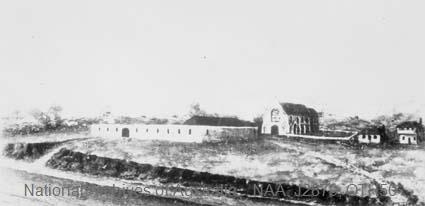
Photograph of early drawing – Moreton Bay Settlement with distant view of Female [convict] Factory 1832 – 1832

The Arrival: On January 26, 1788, the First Fleet, comprising 11 ships, sailed into Port Jackson, now known as Sydney Harbour. Among the nearly 1,500 convicts onboard were 192 women, whose arrival marked a significant departure from the predominantly male composition of the early colonial population. These women, often marginalized and forgotten in historical narratives, played a crucial role in shaping the future of Australia.

Impact on Gender Balance: The arrival of female convicts had a profound impact on the gender balance of the colony. Prior to their arrival, the male-to-female ratio in the settlement was heavily skewed, posing challenges for social cohesion and family formation. The presence of women provided a much-needed balance and contributed to the development of a more stable and sustainable society. Moreover, the influx of female convicts offered an opportunity for the establishment of family units, laying the foundation for future generations of Australians.

Challenges Faced: However, the arrival of female convicts also presented numerous challenges for both the women themselves and the broader colonial community. Many of these women were victims of social and economic inequality, driven to crime by poverty, desperation, or circumstance. Upon arrival, they faced harsh conditions, limited opportunities, and societal stigma. The challenges of navigating a new and unfamiliar environment, coupled with the stigma of their past, made it difficult for these women to integrate into colonial society.

Despite these challenges, many female convicts demonstrated resilience, resourcefulness, and determination in the face of adversity. Through their labor, ingenuity, and perseverance, they contributed to the development and growth of the colony, leaving an indelible mark on Australian history.

Legacy and Significance: The legacy of Australia’s first fleet of female convicts endures to this day, serving as a testament to the resilience and strength of those who endured hardship and adversity in the pursuit of a better life. Their stories remind us of the complexities of Australia’s colonial past and the diverse experiences of those who shaped the nation’s history.

Moreover, the arrival of female convicts challenged prevailing attitudes towards gender, class, and criminality, sparking debates about justice, rehabilitation, and the rights of women in colonial society. Their presence forced colonists to confront issues of gender inequality and social justice, laying the groundwork for future reforms and advancements in Australian society.

Sitting Room, Female Factory, Degraves Street, Hobart, Tasmania, Australia. By Stuart Smith.

Conclusion: The arrival of Australia’s first fleet of female convicts in 1788 marked a significant milestone in the nation’s history, shaping the demographic, cultural, and social landscape of the fledgling colony. Despite the challenges they faced, these women made invaluable contributions to the development and growth of Australia, leaving behind a legacy that continues to resonate to this day. Their stories serve as a reminder of the resilience, strength, and humanity of those who helped build the nation we know today.

Blog at WordPress.com.

Up ↑