Remembering Black Thursday: Australia’s Historic Bushfire Catastrophe

In the annals of Australian history, few events are as profoundly etched into the nation’s collective memory as the Black Thursday bushfires of 1851. This cataclysmic event not only left a trail of devastation in its wake but also served as a sobering reminder of the immense power and destructive force of bushfires in Australia.

The Inferno Unleashed

January 6, 1851, dawned ominously across the Australian state of Victoria. The tinder-dry conditions, exacerbated by a prolonged drought, set the stage for what would become one of the most devastating bushfire events in the nation’s history. As temperatures soared and strong winds whipped through the landscape, a series of fires ignited across vast swathes of land.

The inferno raged unchecked for days, consuming everything in its path with an insatiable appetite. Towns and settlements were engulfed in flames, homes reduced to ash, and livelihoods destroyed in a matter of hours. The sky turned an eerie shade of red as smoke blanketed the horizon, casting a pall of darkness over the land.
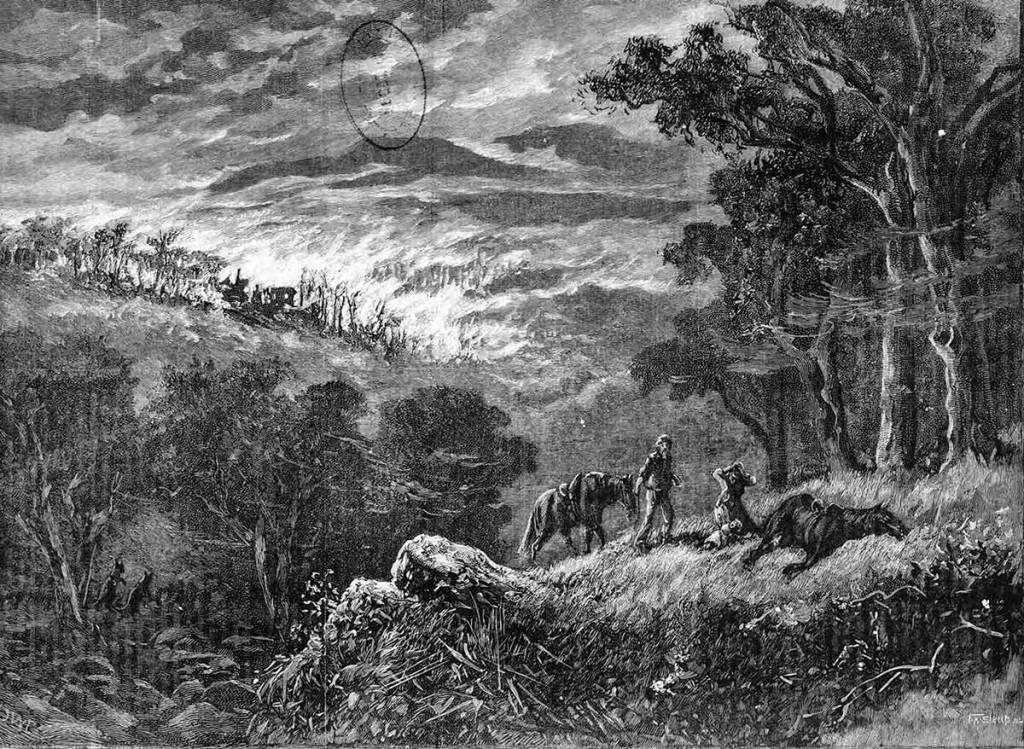
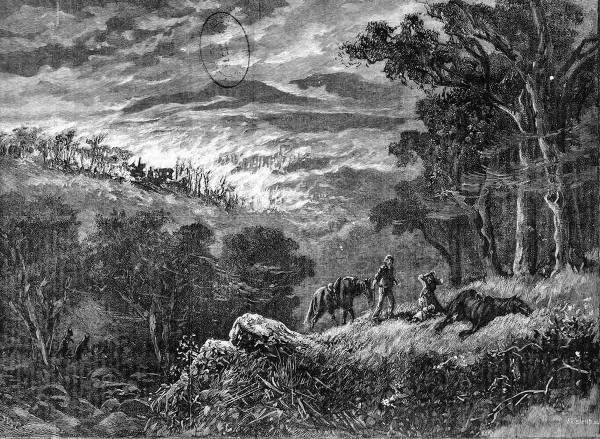
BLACK THURSDAY, FEBRUARY 1851 (1888). Engraver: F.A. Sleap. Image courtesy of the State Library of Victoria http://handle.slv.vic.gov.au/10381/47777

The Impact and Aftermath

The toll of Black Thursday was staggering. Estimates suggest that over 5 million hectares of land were scorched, an area equivalent to roughly a quarter of present-day Victoria. Lives were lost, with accounts of both human and animal casualties haunting the survivors for years to come. The economic repercussions were equally devastating, as entire communities grappled with the aftermath of widespread destruction.

Moreover, the ecological impact of the fires was profound, reshaping the landscape and forever altering the delicate balance of ecosystems. Native flora and fauna were decimated, and the scars of the fires would remain etched into the land for generations to come.

A Turning Point in History

Black Thursday marked a turning point in Australia’s history, serving as a stark reminder of the inherent dangers posed by bushfires in the Australian landscape. It sparked a newfound urgency in fire management and prevention efforts, leading to the establishment of fire brigades and the adoption of more rigorous firefighting strategies.

Furthermore, the event catalyzed a shift in public perception, fostering a deeper appreciation for the fragility of Australia’s natural environment and the need for sustainable land management practices. The resilience and determination displayed by communities in the face of adversity served as a testament to the indomitable spirit of the Australian people.

THE BUSH ON FIRE (1865). Image courtesy of the State Library of Victoria http://handle.slv.vic.gov.au/10381/236426

Challenges and Continuity

Despite significant advancements in fire management techniques, the threat of bushfires continues to loom large over Australia. Climate change has exacerbated the risk, leading to longer and more intense fire seasons and increasing the frequency of extreme weather events. Urban sprawl into bushland areas further complicates matters, placing additional strain on firefighting resources and exacerbating the potential for catastrophic loss.

Addressing the challenges posed by bushfires requires a multifaceted approach, encompassing proactive measures such as fuel reduction burns, investment in firefighting infrastructure, and community education and preparedness initiatives. Additionally, a concerted effort to mitigate the impacts of climate change is paramount, as the long-term viability of Australia’s ecosystems hangs in the balance.

Conclusion

The legacy of Black Thursday endures as a somber reminder of the destructive power of nature and the resilience of the human spirit. As Australia grapples with the ongoing threat of bushfires, it is imperative that we draw upon the lessons of the past to forge a path towards a more resilient and sustainable future. Only through collective action and unwavering determination can we hope to confront the challenges that lie ahead and safeguard the precious landscapes that define this great nation.
Title: “The Great Emu War: Unravelling the Feathery Battlefield of Australian History”

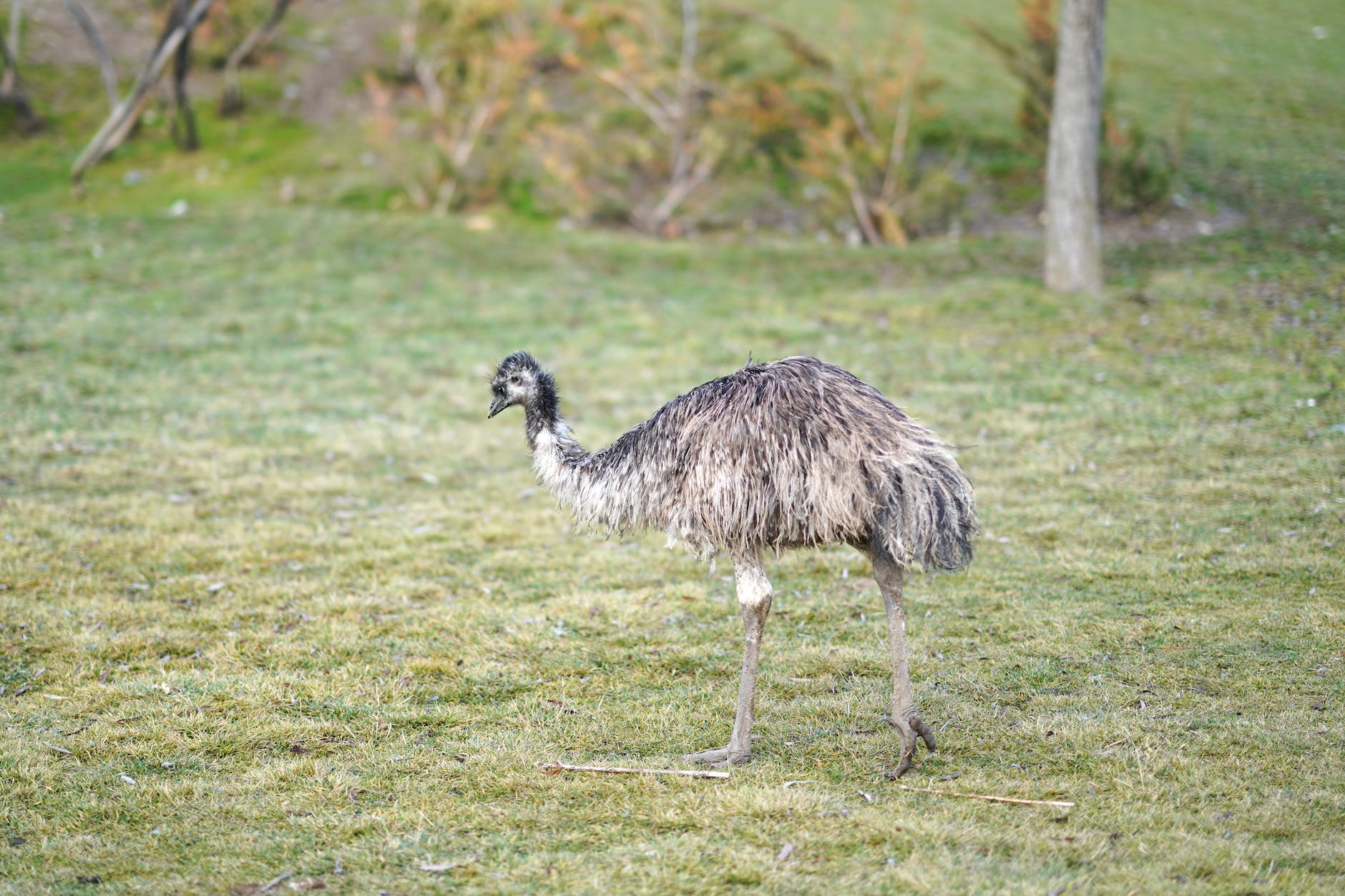
It’s 1932, post-World War I, and Australia is grappling with the aftermath of the Great Depression. Times are dire, families are struggling its not a faithful era throughout Australia. In the rural landscapes of Western Australia, a very unique and unexpected conflict unfolds, one that involves not human adversaries, but the flightless and seemingly harmless emus.

But before we delve into the war, let’s set the stage. Why were the emus causing such a fuss, and how did they become the centre of attention in Australian history?

Emus, native to Australia, were faced with a significant challenge during the 1930s. The end of World War I had seen many Australian soldiers returning home, and the government, in an attempt to assist them, offered land for farming. This was both a reward and opportunity to rebuild their lives after fighting for our country. The catch? These soldiers were given land in Western Australia, particularly around Campion and Walgoolan, areas that also happened to be prime emu territory.

The emus, with their large numbers and ravenous appetites, soon found the newly cultivated farmlands to be a paradise. There were crops and farmlands in abundance, this was a dream come true for the farmers. But a nightmare of disappearing crops and flocks upon flocks of emus destroying their farmland. Unfortunately, this led to a clash between the farmers and the emus, as the feathered invaders wreaked havoc on crops, destroying fences and decimating the livelihoods of those struggling to make ends meet.

Photo by alexandre saraiva carniato on Pexels.com

Enter Major G.P.W. Meredith, a war veteran and farmer, who was tasked with finding a solution to the emu problem. The Australian government, in an attempt to curb the growing emu population, provided Meredith with two Lewis machine guns and 10,000 rounds of ammunition. Yes, you heard that right – machine guns against emus.

The plan was simple, use the machine guns to thin out the emu population and protect the farmers’ crops. However, what seemed straightforward on paper turned out to be a comical and ultimately futile Endeavor.

The battlefield? The vast and open plains of Western Australia. The emus, known for their agility and speed, proved to be formidable opponents. The soldiers found it challenging to target the fast-moving birds, and the emus, displaying their own brand of military tactics, often scattered in all directions, making them difficult to pin down.

The emus were quick learners, adapting to the soldiers’ strategies. They would split into smaller groups, making it nearly impossible for the machine guns to make a significant impact. Absolutely frustrated and stunned, the soldiers were using up ammunition, funds, time and not getting any results with the crops still suffering and farmlands destroyed.

Despite their best efforts, the soldiers, after a few weeks of engagement, realized the futility of the campaign. After two months, fewer than 1,000 emus were reported killed. The media back home caught wind of the peculiar conflict, and soon, the Great Emu War became a source of both amusement and embarrassment for the Australian government.

In the end, the government decided to withdraw its forces from the emu battleground. Major Meredith himself admitted defeat, stating that the emus were “invulnerable to bullets.” The war, was over.

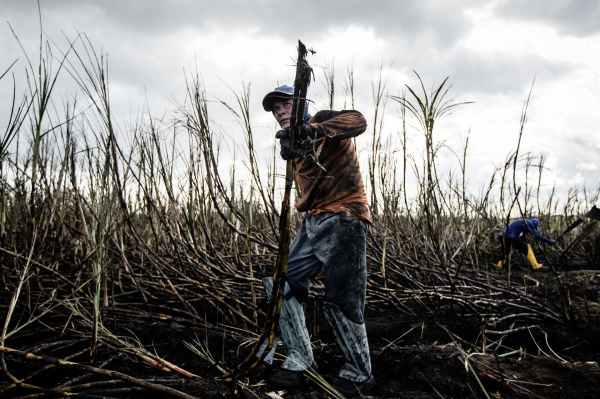
Photo by Ozgur Camurlu on Pexels.com

So, why do we still talk about the Great Emu War today? Well, beyond its sheer absurdity, the event highlights the challenges faced by Australia during the Great Depression. It also serves as a reminder of the delicate balance between human development and the preservation of native wildlife.

Today, emus roam freely in Australia, protected by conservation efforts and admired for their unique place in the country’s natural heritage. The Great Emu War may have been a humorous footnote in history, but it also raises important questions about human-wildlife interactions and the consequences of our attempts to control nature.

And there you have it, mates the fascinating and bizarre tale of the Great Emu War. If you enjoyed this deep dive into history, don’t forget to hit that like button, subscribe for more content, and let us know in the comments which historical events you’d like us to explore next.

Blog at WordPress.com.

Up ↑