Unrolling Australia’s Eco-Hero: The Dung Beetle

In 1968, Australia welcomed an unlikely hero into its ecosystems: the dung beetle. This unassuming creature, often overlooked, played a pivotal role in shaping Australia’s history and continues to be of immense importance in modern-day Australia. Let’s delve into the intriguing story of the dung beetle’s introduction, its historical significance, and its enduring impact on Australia’s landscape and agriculture.

Dusky Pasture Scarab, Hughes, ACT, December 2020

The Introduction of the Dung Beetle:

The decision to introduce the dung beetle to Australia was not a random one but rather a strategic response to a pressing environmental problem. In the 1960s, Australia was grappling with the invasive presence of cattle and their copious amounts of dung. This dung, left unchecked, posed significant challenges to agricultural productivity and environmental health. Enter the dung beetle, heralded as nature’s waste management expert.

The primary reason for introducing the dung beetle was its remarkable ability to break down and recycle dung. By burying dung underground, dung beetles not only reduced the presence of unsightly dung piles but also improved soil fertility and reduced the breeding grounds for pests such as flies. The initiative was hailed as a win-win solution for both farmers and the environment.

Importance in Australia’s History:

The arrival of the dung beetle marked a pivotal moment in Australia’s environmental management strategies. It showcased the country’s willingness to embrace innovative solutions to tackle pressing ecological challenges. The success of the dung beetle introduction demonstrated the efficacy of biological control methods in mitigating the impact of invasive species on native ecosystems.

Furthermore, the dung beetle’s integration into Australia’s agricultural practices symbolized a shift towards sustainable farming practices. Farmers saw firsthand the benefits of natural waste management systems in improving soil health and enhancing crop yields. The dung beetle became a symbol of environmental stewardship and responsible land management.

Importance in Modern-Day Australia:

Fast forward to modern-day Australia, and the dung beetle’s legacy endures. Its ongoing presence in Australia’s ecosystems continues to provide invaluable ecological services. By efficiently recycling dung, dung beetles contribute to nutrient cycling, soil aeration, and pest control, thereby promoting healthy and productive landscapes.

In an era marked by growing environmental concerns and the need for sustainable practices, the dung beetle remains a key player in Australia’s biodiversity conservation efforts. Its role in maintaining ecosystem balance and resilience cannot be overstated. As Australia grapples with the challenges of climate change and habitat degradation, the dung beetle serves as a reminder of the power of nature-based solutions.

Conclusion:

In conclusion, the introduction of the dung beetle to Australia in 1968 was a transformative moment in the country’s environmental history. From addressing the challenges of invasive species to promoting sustainable agriculture, the dung beetle has left an indelible mark on Australia’s landscape and consciousness. As we navigate the complexities of the modern world, the dung beetle stands as a testament to the enduring value of ecological ingenuity and the profound impact of seemingly small creatures on the larger tapestry of life.
From the Outback to the Ballot Box: The Evolution of the Australian Country Party

In the vast and rugged landscapes of early 20th-century Australia, a political movement emerged that would come to shape the nation’s history and influence its political landscape for decades to come. Born out of the agrarian discontent and rural concerns of the time, the Australian Country Party, now known as the National Party of Australia, was founded in 1920 with a mission to represent the interests of rural and regional Australians.

The Birth of the Australian Country Party

The aftermath of World War I brought about significant changes in Australia, both socially and economically. As the nation transitioned from a predominantly agrarian society to an industrialized one, rural communities faced unique challenges and felt increasingly marginalized in the political sphere. The establishment of the Australian Country Party in 1920 was a direct response to these challenges, providing a platform for rural voices to be heard and rural issues to be addressed.

Led by prominent figures such as Earle Page, the party quickly gained traction, particularly in rural electorates where it championed policies aimed at supporting farmers, promoting agricultural development, and decentralizing power away from the urban centres. Its formation marked a significant shift in Australian politics, as it challenged the dominance of the major parties and provided a voice for those outside the urban hubs.

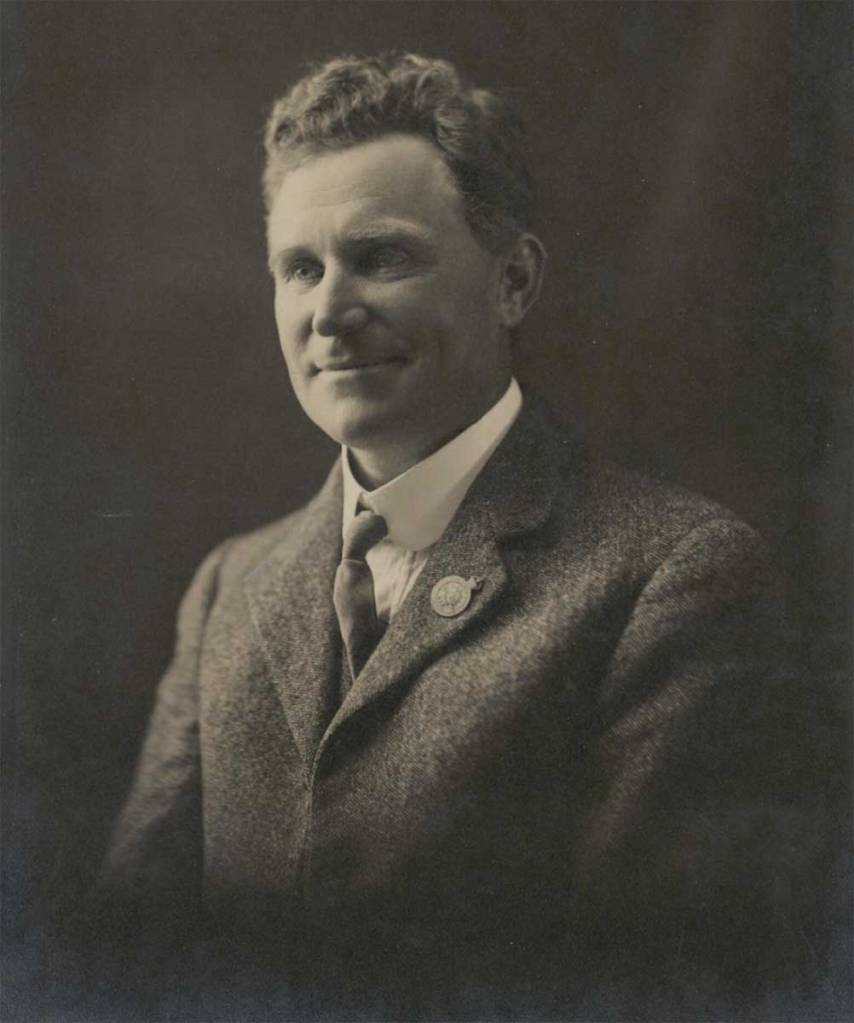
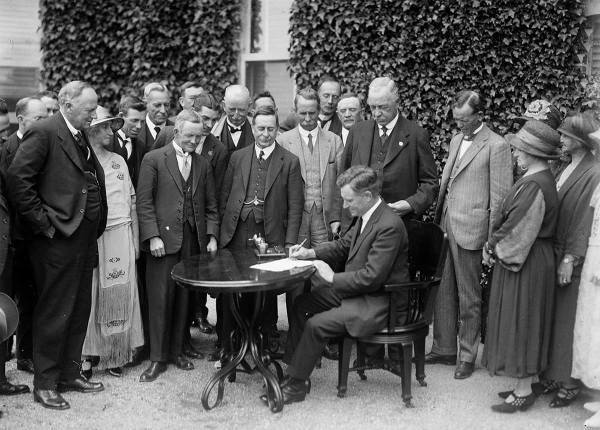
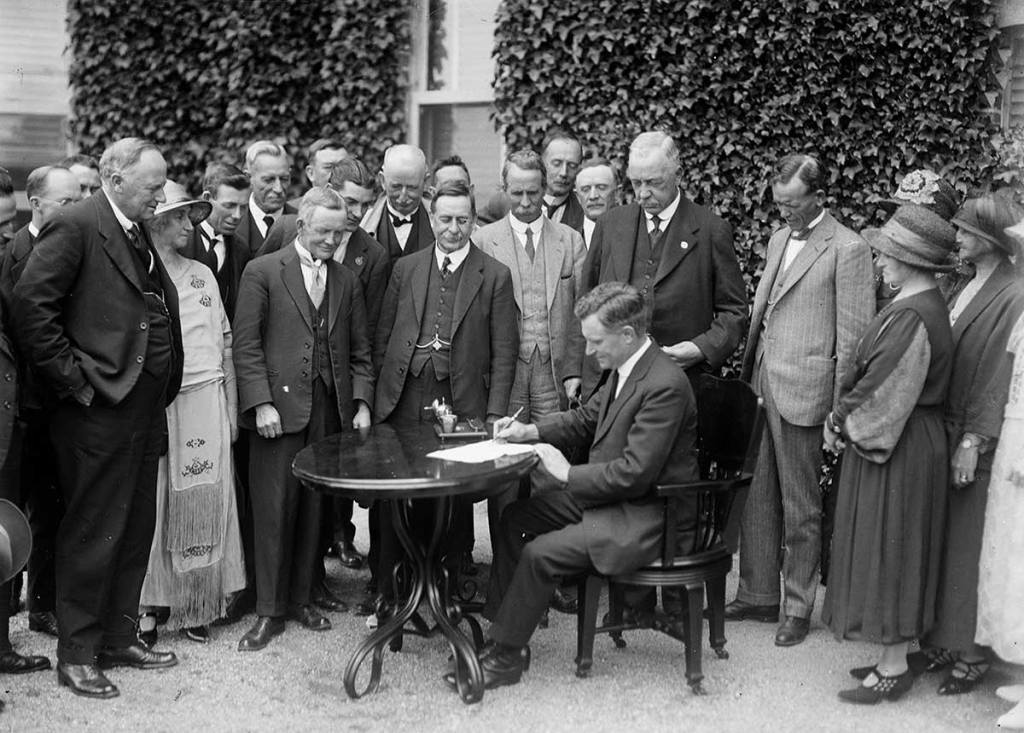
Acting Prime Minister Earle Page signing the first federal Cabinet document issued in Canberra, 30 January 1924

Evolution into the Nationalist Party and Beyond

Over the years, the Australian Country Party underwent several transformations, reflecting changes in Australian society and politics. In 1925, it joined forces with the Nationalist Party to form the Country and National Party, which later evolved into the United Australia Party. This alliance allowed rural interests to align with broader conservative agendas, further solidifying the party’s presence in Australian politics.

In 1975, the party adopted its current name, the National Party of Australia, signalling a renewed focus on rural and regional issues while also embracing a broader nationalist identity. Throughout its history, the party has maintained a close relationship with the Liberal Party, often forming coalition governments at both the federal and state levels. This partnership has allowed the Nationals to wield significant influence despite their smaller size, particularly in shaping policies related to agriculture, trade, and regional development.

Earle Page, who became leader of the federal Country Party in 1922

Importance in Australian History

The Australian Country Party, now the National Party, holds a unique place in the annals of Australian history. Its founding in 1920 represented a turning point in the nation’s political landscape, giving rural Australians a voice and ensuring that their concerns were not overlooked in the corridors of power. Over the years, the party has played a crucial role in shaping policies that impact the lives of millions of Australians living outside the major cities.

From advocating for fair prices for agricultural produce to fighting for improved infrastructure in regional areas, the Nationals have been at the forefront of efforts to address the unique challenges faced by rural communities. Their partnership with the Liberal Party has enabled them to influence government agendas and secure funding for projects that benefit regional Australia, from roads and railroads to healthcare and education.

In today’s rapidly changing world, the National Party continues to adapt and evolve, grappling with new challenges such as climate change, drought, and the digital divide. Yet, its core mission remains unchanged: to represent the interests of rural and regional Australians and ensure that their voices are heard in the halls of power.

Conclusion

The founding of the Australian Country Party in 1920 marked a significant milestone in Australian history, providing a platform for rural voices and shaping the nation’s political landscape for decades to come. From its humble beginnings to its evolution into the National Party of Australia, the party has remained steadfast in its commitment to representing the interests of rural Australians and advocating for policies that promote their prosperity and well-being. As Australia continues to evolve, the National Party stands as a testament to the enduring importance of rural Australia in the nation’s identity and future.

Remembering Ronald Ryan: Australia’s Last Execution and Its Enduring Impact

In the annals of Australian history, there exists a chapter that stands as a poignant reminder of the nation’s journey towards abolishing capital punishment. It revolves around the tragic fate of Ronald Ryan, the last person to be executed in Australia. His story not only serves as a sombre reflection on the ethics of state-sanctioned death but also marks a pivotal moment in Australia’s legal and moral evolution.

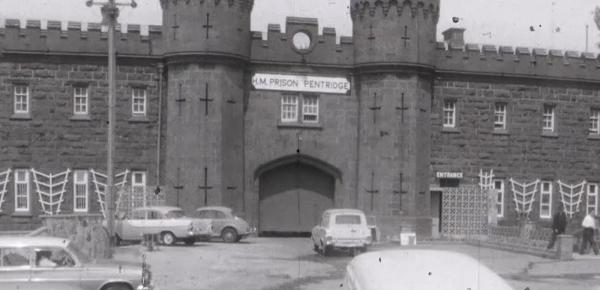
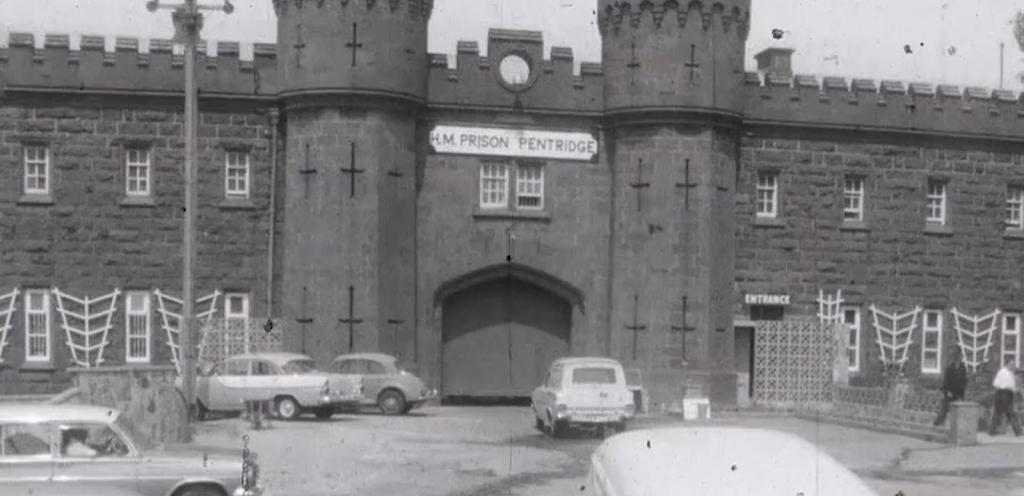
In 1967, Ronald Joseph Ryan, a petty criminal, found himself at the centre of a highly contentious debate surrounding the death penalty. Convicted of the murder of prison warder George Hodson during an escape from Pentridge Prison in Victoria, Ryan became the focal point of a nationwide discourse on justice, mercy, and the role of capital punishment in society.

The circumstances of Ryan’s case were shrouded in controversy. Many questioned the fairness of his trial, citing inconsistencies in evidence and witness testimonies. Others argued that his actions were a desperate bid for freedom rather than premeditated murder, urging clemency on humanitarian grounds. Despite fervent appeals for a reprieve, including petitions signed by thousands and pleas from prominent figures, Ryan’s fate seemed sealed.

On the morning of February 3, 1967, Ronald Ryan faced the gallows at Pentridge Prison. As the noose tightened around his neck, protesters gathered outside, their voices echoing calls for mercy. Yet, their pleas fell on deaf ears, and Ryan became the unfortunate endpoint of Australia’s capital punishment era.

The execution of Ronald Ryan sent shockwaves throughout the nation, sparking outrage and soul-searching on a scale not witnessed before. It ignited a fervent debate on the morality and efficacy of the death penalty, prompting Australians to confront uncomfortable truths about justice, equality, and the sanctity of human life.

Ryan’s death prompted soul-searching within Australia’s legal and political spheres. It galvanized a movement advocating for the abolition of capital punishment, with lawmakers and activists alike questioning the wisdom of a legal system that permitted the ultimate form of punishment. The momentum generated by Ryan’s execution propelled Australia towards a seismic shift in its approach to justice, paving the way for significant legislative reforms.

In the years following Ryan’s death, public opinion turned decisively against the death penalty. The realization dawned that the irreversible nature of capital punishment left no room for error or redemption, raising troubling questions about the fallibility of the judicial system. Australia’s collective conscience recoiled at the thought of perpetuating a system that could potentially condemn innocent lives to the gallows.

The legacy of Ronald Ryan endures as a testament to the power of collective action and the capacity for societal change. His tragic demise served as a catalyst for reform, inspiring generations of Australians to strive for a more just and humane legal system. In 1984, Victoria became the last Australian state to abolish capital punishment, marking the culmination of a decades-long struggle for abolition.

Today, as we reflect on the death of Ronald Ryan, we are reminded of the importance of vigilance in upholding the principles of justice and human rights. His story serves as a cautionary tale against the perils of unchecked state power and the dangers of forsaking compassion in the pursuit of retribution.

In commemorating Ryan’s life and the events that led to his untimely death, we reaffirm our commitment to a society founded on the values of fairness, mercy, and empathy. May his memory continue to inspire us to strive for a world where justice is tempered with compassion, and where the dignity of every individual is upheld and respected.

Simpson and His Donkey: Heroes of Gallipoli in Australian History

Today, we embark on a journey into the heart of one of the most poignant stories from Australia’s history – the tale of Simpson and his donkey.

As the world found itself engulfed in the flames of World War I, Australia, with unwavering loyalty to the British Empire, sent thousands of its sons to fight on foreign shores. Among them was John Simpson Kirkpatrick, better known as “Simpson,” a man whose compassion and bravery would permanently write his name into the pages of Australian history.

John Simpson, was a stretcher-bearer in the 3rd Australian Field Ambulance born in South Shields, England, in 1892, arrived in Australia in 1910. Drawn to the adventurous spirit of the country, he worked various jobs before enlisting in the Australian Imperial Force (AIF) when war broke out in 1914.

Now, let’s transport ourselves to the rugged cliffs and sandy beaches of Gallipoli in 1915. The Allied forces, including the Australian and New Zealand Army Corps (ANZAC), landed in what would become one of the most challenging theatres of war.

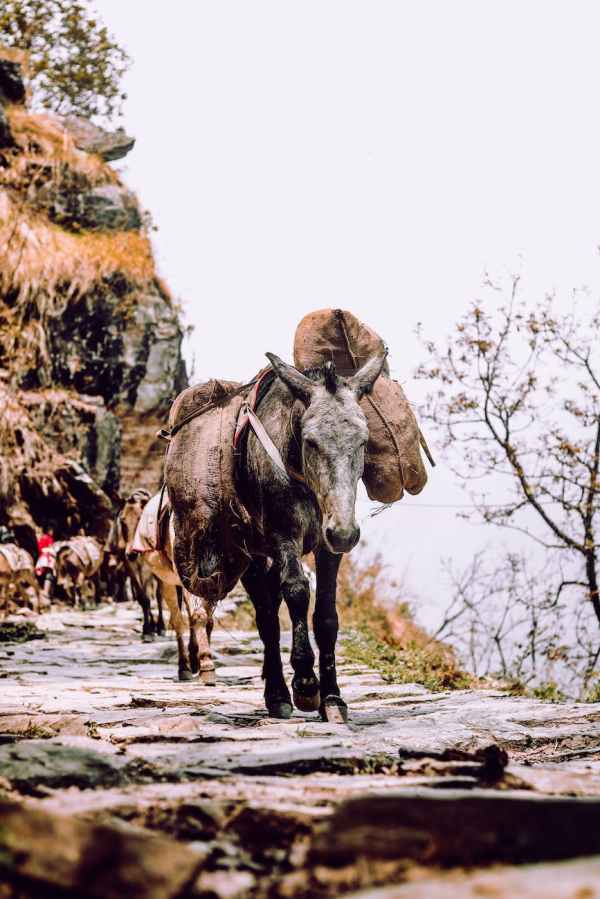
Simpson’s story is intertwined with a humble companion – a donkey. These creatures, known for their strength and resilience, played a crucial role in the harsh terrain of Gallipoli. But for Simpson, his donkey was more than just a beast of burden; it became a symbol of hope and humanity in the midst of chaos.

Simpson’s role in the Gallipoli campaign was nothing short of extraordinary. In the chaos of battle, he tirelessly transported wounded soldiers from the front lines to the beach, where they could receive medical attention. His efforts were not without danger – navigating steep, treacherous terrain while under constant enemy fire.

As word of Simpson’s selfless deeds spread, he became a symbol of hope and resilience for the ANZAC troops. The legend of the man with the donkey grew, transcending the horrors of war. In the midst of tragedy, Simpson’s actions offered a glimmer of humanity, reminding everyone that even in the darkest times, heroes emerge.

Tragically, Simpson’s time on the front lines was short-lived. Just a few weeks after arriving at Gallipoli, he was fatally wounded by sniper fire. But his legacy endured. Today, monuments and memorials across Australia pay tribute to Simpson and his donkey, immortalizing their sacrifice and the spirit of mateship that defines the ANZAC tradition.

Photo by Plato Terentev on Pexels.com

Simpson and his donkey left an indelible mark on the Australian psyche. Their story is woven into the fabric of the nation’s identity, serving as a reminder of the sacrifices made by everyday individuals during times of conflict.

And there you have it, the remarkable tale of Simpson and his donkey. In the face of adversity, they exemplified the true ANZAC spirit. As we reflect on their bravery, let’s not forget the countless others who, like them, demonstrated extraordinary courage on the battlefields of history. If you enjoyed this video, don’t forget to like, share, and subscribe for more stories from the pages of history. Until next time, stay curious.

Blog at WordPress.com.

Up ↑