
In 1854, a significant milestone in democratic history unfolded in Victoria, Australia. The Victorian Legislative Council enacted a groundbreaking decision, granting the right to vote to all male British subjects over 21, irrespective of property ownership. This move catapulted Victoria to the forefront of democratic progress within the British Empire and laid the foundation for a more inclusive political landscape in Australia. Let’s delve into the socio-political backdrop of 1854 Victoria and explore the transformative implications of this landmark decision.
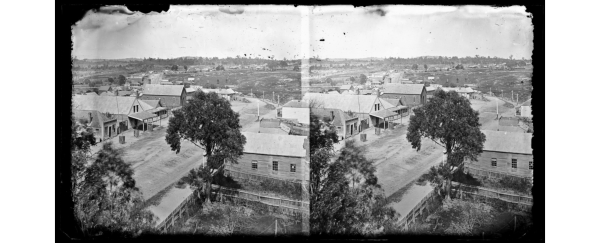
Life in 1854 Victoria was characterized by a complex tapestry of socio-economic dynamics. The colony was undergoing rapid growth and urbanization, fueled by the gold rush that had commenced a few years prior. With the influx of fortune-seekers from all corners of the globe, Victoria’s population swelled, creating a diverse and bustling society. However, beneath the veneer of prosperity lay stark disparities in wealth and opportunity.
For the majority of residents, life was marked by arduous labor, cramped living conditions, and limited access to basic amenities. The working class toiled in mines, factories, and on farms, facing grueling hours and meager wages. Meanwhile, a privileged minority enjoyed wealth and influence, wielding significant power within the colonial administration.
Against this backdrop of inequality and disenfranchisement, the enactment of universal male suffrage in 1854 was nothing short of revolutionary. By extending the right to vote to all adult male British subjects, regardless of property ownership, the Legislative Council signaled a seismic shift in the political landscape. No longer were electoral privileges reserved solely for the wealthy elite; now, every man had a voice in shaping the future of Victoria.
The significance of this decision extended far beyond the realm of electoral politics. It was a proclamation of equality and empowerment, affirming the inherent worth and agency of every individual within society. For the first time, working-class men could actively participate in the democratic process, casting their ballots and influencing government policies that directly impacted their lives.
Moreover, the granting of universal male suffrage in Victoria served as a beacon of hope and inspiration for democratic movements across Australia. As news of this progressive reform spread, other colonies began to contemplate their own paths towards greater political inclusivity. The seeds of democracy sown in Victoria took root and flourished, catalyzing a wave of electoral reforms that would transform the nation’s political landscape.
In the years that followed, Australia emerged as a trailblazer in democratic governance, enshrining principles of universal suffrage and representative democracy into its constitutional framework. The legacy of Victoria’s voting rights revolution endured, serving as a testament to the power of grassroots activism and progressive leadership in advancing social change.
In conclusion, the year 1854 stands as a watershed moment in Australian history, marking the dawn of a new era of democratic governance. The decision of the Victorian Legislative Council to grant universal male suffrage laid the groundwork for a more inclusive and representative political system, empowering ordinary citizens to participate in the democratic process. As we reflect on this pivotal chapter in our nation’s journey, let us celebrate the enduring legacy of Victoria’s voting rights revolution and reaffirm our commitment to upholding the principles of equality, justice, and democracy for all.










 History Class Australia