
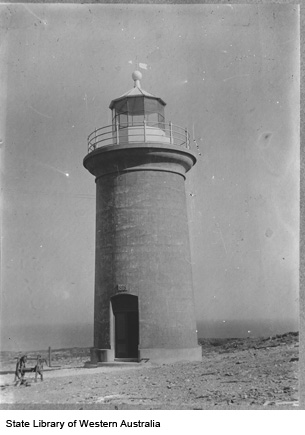
In Australian history, certain moments stand out as pivotal, marking the intersection of cultures, the discovery of new lands, and the forging of connections across vast distances. One such moment occurred in 1616 when Dutch navigator Dirk Hartog landed on an island off the coast of Western Australia, a place that now bears his name. This event not only marked the first recorded European landing on Australian soil but also laid the foundation for centuries of exploration, colonization, and cultural exchange. In this blog post, we delve into the significance of Dirk Hartog’s landing and its enduring impact on Australian history.
Dirk Hartog’s journey to the shores of Western Australia was part of the broader Dutch exploration of the Indian Ocean and the Spice Islands. Sailing aboard the Dutch East India Company ship Eendracht, Hartog charted a course across the vast expanse of the ocean, seeking new trade routes and opportunities for Dutch commerce. Little did he know that his voyage would lead to a momentous encounter with the unknown shores of Australia.
On October 25, 1616, Hartog’s ship made landfall on an uninhabited island off the coast of what is now Shark Bay in Western Australia. This island, which Hartog named after himself, became a landmark in the history of Australian exploration. Upon landing, Hartog erected a wooden post, known as the Hartog Plate, inscribed with details of his visit, including the names of his ship and the date of his arrival. This simple act would become a touchstone for future explorers and a tangible link to Australia’s past.
Dirk Hartog’s landing holds immense significance in the tapestry of Australian history for several reasons. Firstly, it represents the earliest documented European contact with the Australian continent, predating the better-known voyages of explorers like James Cook by over a century. Hartog’s arrival shattered the myth of Terra Australis Incognita, the fabled southern landmass hypothesized by European geographers, and began the process of European exploration and colonization of Australia.
Secondly, Hartog’s landing served as a catalyst for subsequent voyages of discovery and colonization in Australia. The knowledge gained from Hartog’s expedition, including navigational charts and geographical observations, paved the way for future explorers to venture further into the continent’s interior and establish permanent settlements along its coastlines.
Furthermore, Hartog’s landing marked the beginning of European involvement in Australia’s Indigenous history. While Hartog encountered no Indigenous inhabitants during his brief stay, his arrival foreshadowed the profound impact that European colonization would have on the Aboriginal peoples of Australia. The subsequent waves of settlement and the clash of cultures that ensued would shape the course of Australian history for centuries to come.
Despite its historical significance, Dirk Hartog’s landing remained relatively obscure for many years, overshadowed by later events in Australian history. However, in recent decades, efforts have been made to commemorate Hartog’s expedition and its importance to Australia’s heritage.
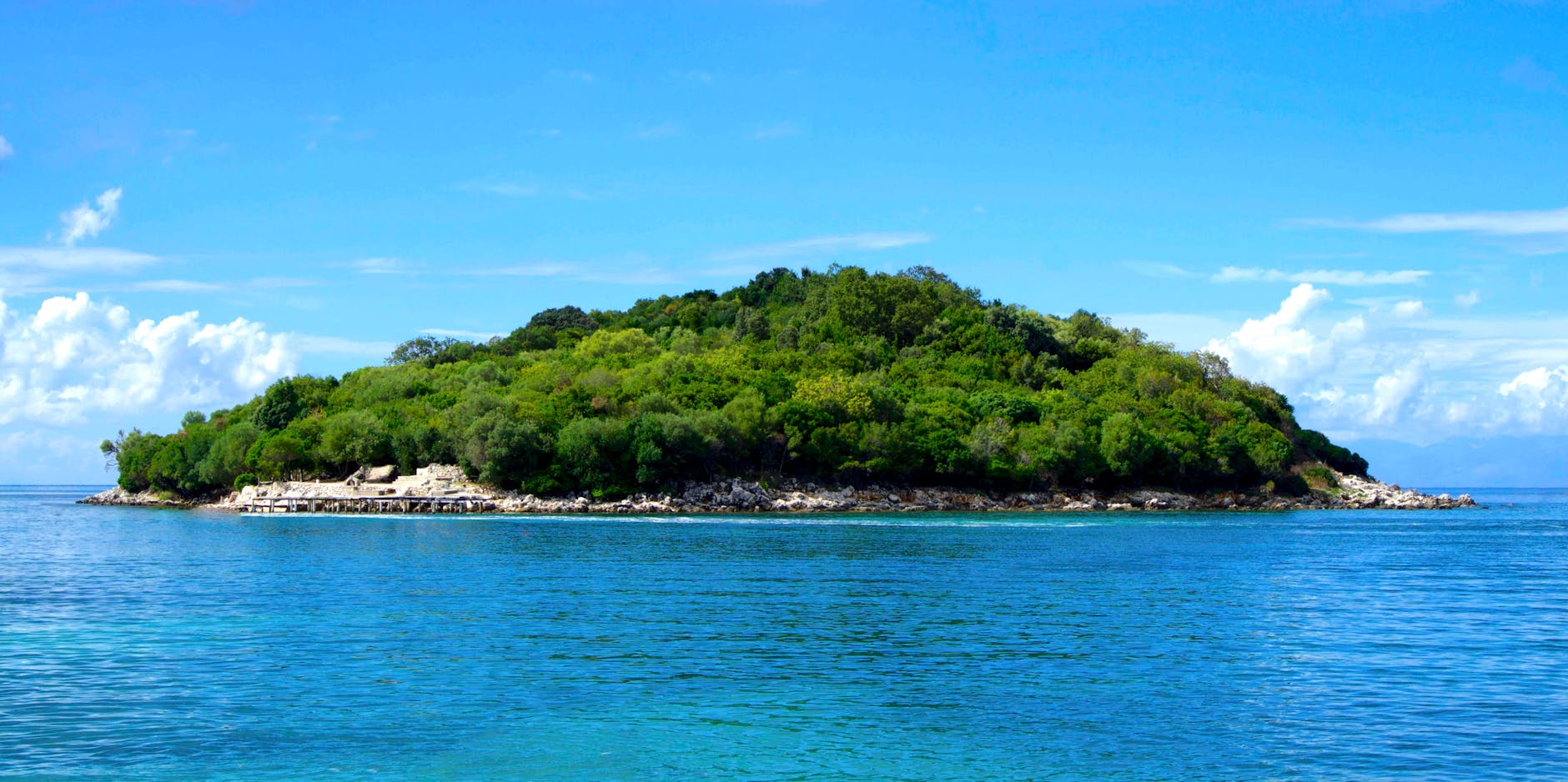
In 2016, Australia celebrated the 400th anniversary of Hartog’s landing with a series of events and commemorations across the country. The Hartog 400 Festival, held in Western Australia, featured exhibitions, reenactments, and cultural exchanges highlighting the significance of Hartog’s voyage. Additionally, the Hartog Plate itself, now housed in the Rijksmuseum in Amsterdam, serves as a tangible reminder of the Dutch contribution to Australia’s history.
Dirk Hartog’s landing on the shores of Western Australia in 1616 was a momentous event that reverberates through the corridors of Australian history. From its role as the first recorded European contact with Australia to its legacy as a symbol of exploration and cultural exchange, Hartog’s expedition continues to resonate with Australians today. As we reflect on the significance of this historic landing, we are reminded of the enduring connections between peoples and the enduring spirit of discovery that defines our shared human experience.
 History Class Australia