
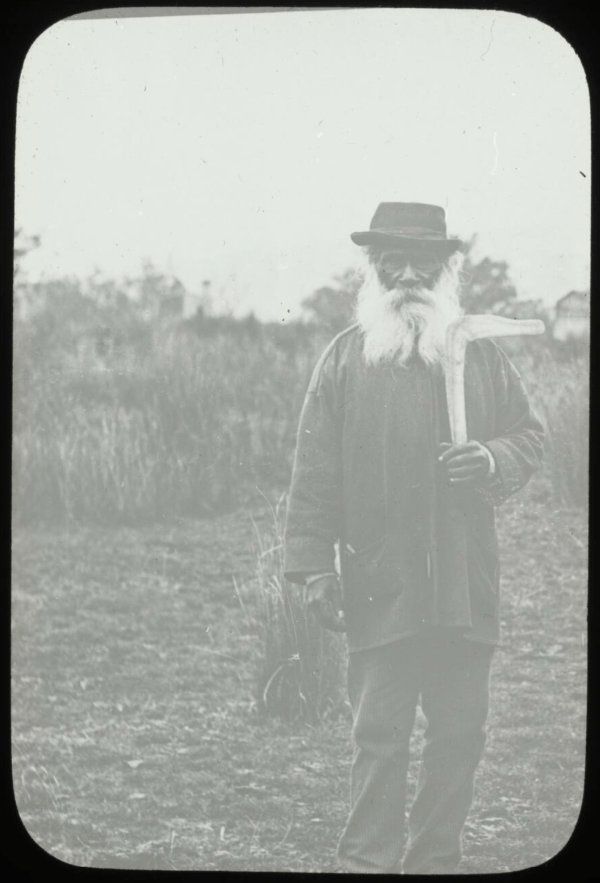
In the annals of Australian history, the establishment of the Coranderrk Aboriginal Reserve in 1863 stands as a pivotal moment, resonating with the struggles, resilience, and aspirations of Indigenous peoples. Nestled in the heart of Victoria, this reserve bore witness to a complex interplay of colonial policies, Indigenous agency, and the enduring quest for land rights and self-determination. Its significance reverberates through time, offering profound insights into the turbulent dynamics that shaped Australia’s socio-political landscape.
At the core of Coranderrk’s significance lies the broader historical context of European colonization and its profound impact on Indigenous communities. By the mid-19th century, waves of settlers had swept across the Australian continent, displacing and marginalizing Indigenous peoples from their ancestral lands. The Coranderrk Reserve emerged against this backdrop of dispossession and cultural upheaval, representing both a response to Indigenous displacement and a strategy for control by colonial authorities.
Established under the guidance of the Aboriginal Protection Board, Coranderrk was envisioned as a sanctuary where Indigenous peoples could reside, ostensibly protected from the encroachments of white settlers. Yet, the reality of life on the reserve was far more complex. Despite its purported aim of benevolence, Coranderrk became a site of struggle and resistance, as Indigenous residents grappled with the constraints of government control and the erosion of their cultural autonomy.
One of the most enduring legacies of Coranderrk lies in the resilience and agency demonstrated by its inhabitants. Led by visionary leaders such as William Barak and Simon Wonga, the residents of Coranderrk mounted a spirited campaign for land rights and self-determination. Through petitions, protests, and advocacy efforts, they sought to challenge the injustices of colonial policies and assert their rightful place as custodians of the land.
The significance of Coranderrk extends beyond its immediate historical context, serving as a symbol of Indigenous resistance and resilience in the face of systemic oppression. The struggles waged on its soil paved the way for the broader Indigenous land rights movement in Australia, culminating in landmark legal victories such as the Mabo decision and the Native Title Act.
Moreover, Coranderrk serves as a potent reminder of the ongoing challenges faced by Indigenous communities in Australia today. Despite decades of activism and legal reforms, issues of land rights, cultural preservation, and socio-economic inequality persist, underscoring the enduring legacy of colonization and the imperative of reconciliation.
In recent years, efforts have been made to recognize and commemorate the significance of Coranderrk in Australian history. Initiatives such as the Coranderrk Inquiry and the establishment of the Coranderrk Cemetery Trust have sought to preserve the memory of this historic site and honor the contributions of its Indigenous inhabitants.
As we reflect on the significance of Coranderrk in Australian history, we are reminded of the complexities and contradictions inherent in the nation’s colonial past. Yet, we are also inspired by the resilience, determination, and cultural richness of Indigenous peoples, whose struggles continue to shape the quest for justice, equality, and reconciliation in contemporary Australia.
In conclusion, the establishment of the Coranderrk Aboriginal Reserve in 1863 stands as a defining moment in Australian history, encapsulating the struggles, aspirations, and resilience of Indigenous peoples in the face of colonization. Its significance reverberates through time, offering profound insights into the complexities of race, power, and identity in the Australian context, and underscoring the ongoing imperative of reconciliation and social justice.
 History Class Australia