

In 1804 the nation experienced the This tumultuous uprising, shrouded in the complexities of colonial power dynamics and the struggle for freedom, stands as a testament to the resilience and determination of those who dared to challenge the status quo. As we delve into the depths of this historic rebellion, we uncover not only the events that transpired but also the profound implications it had on the course of Australian history.
To comprehend the significance of the Castle Hill Rebellion, one must first grasp the socio-political landscape of early 19th-century Australia. In the fledgling colony of New South Wales, tensions simmered among the disparate groups that populated its shores. Convicts, many of whom had been transported from Britain for crimes both real and imagined, toiled under harsh conditions, while a privileged elite, comprising military officers and colonial administrators, wielded power with impunity. Amidst this backdrop of inequality and oppression, discontent festered, laying the groundwork for rebellion.
The roots of the Castle Hill Rebellion can be traced to the oppressive policies of Governor William Bligh, whose despotic rule fuelled resentment among the convict population. Bligh’s heavy-handed tactics, including his attempts to curb the illicit trade in rum, earned him the ire of many, particularly those with vested interests in the flourishing rum trade. As tensions escalated, rumours of rebellion began to circulate, finding fertile ground among the disaffected.
On the fateful day of March 4, 1804, the simmering discontent erupted into open rebellion. Led by Irish convicts, who saw parallels between their own struggle for independence and the fight against British oppression in their homeland, a motley crew of rebels seized control of the government farm at Castle Hill. Armed with makeshift weapons and fueled by a fervent desire for freedom, they marched towards Sydney, intent on overthrowing the colonial authorities.
However, their plans were soon thwarted by a combination of strategic blunders and the swift response of government forces. The rebellion was swiftly crushed, with scores of rebels captured or killed in the ensuing conflict. Those who survived faced harsh reprisals, including public execution and exile to the distant reaches of the colony.
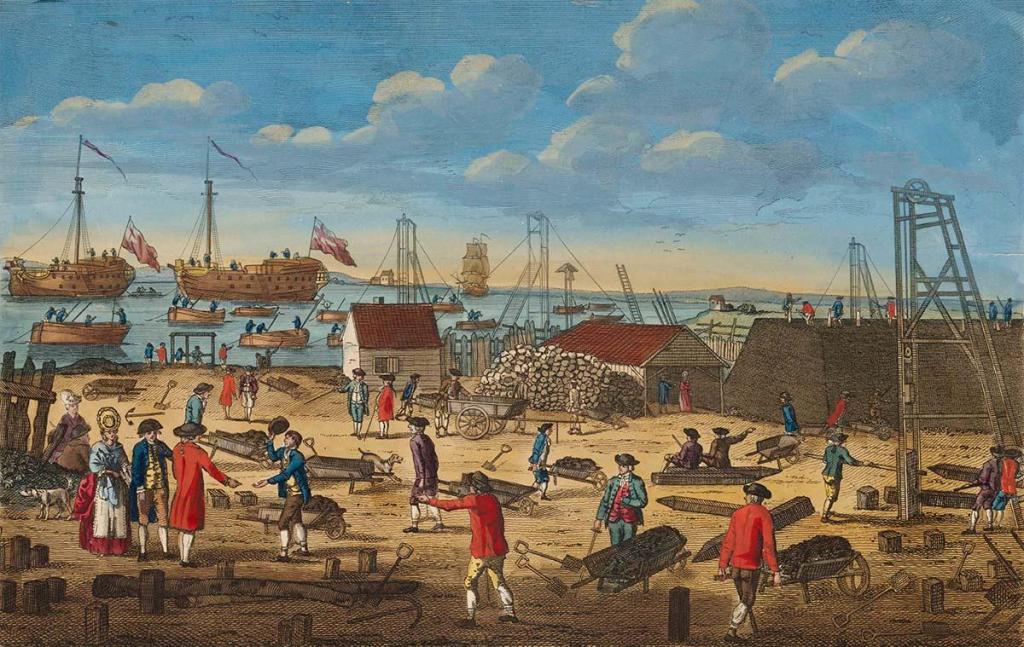
While the Castle Hill Rebellion may have been short-lived, its significance reverberated far beyond the confines of colonial New South Wales. It served as a stark reminder of the inherent injustices of the convict system and the deep-seated desire for freedom that burned within the hearts of those subjected to its tyranny. Moreover, it catalyzed efforts to reform the colonial administration, paving the way for greater political autonomy and democratic governance in the years to come.
In the tapestry of Australian history, the Castle Hill Rebellion occupies a prominent place, serving as a testament to the indomitable spirit of those who dared to defy the odds in pursuit of liberty. As we reflect on the events of 1804, let us remember the sacrifices made by those who fought for a brighter future, and let us draw inspiration from their courage as we continue the ongoing quest for justice and equality.
 History Class Australia