The Crucible of War: Examining the Impact of Conscription in Australia During World War II

World War II stands as one of the most pivotal periods in human history, a time when the world was plunged into a maelstrom of conflict and chaos. As nations rallied their resources and citizens to the cause, Australia found itself deeply embroiled in the struggle against tyranny. With the spectre of conscription looming large, the nation faced a profound moral and societal reckoning. In this blog post, we delve into the impact of conscription in Australia during World War II, exploring its significance in shaping the nation’s history and the lives of its people.

The Stage is Set: In the aftermath of World War I, Australia, like many nations, grappled with the scars of conflict and the daunting prospect of yet another global conflagration. As tensions mounted across the world in the late 1930s, the spectre of war once again cast its shadow over the Australian continent. With the outbreak of World War II in 1939, Australia swiftly rallied to support its allies and defend its shores against the rising tide of fascism.

The Call to Arms: As the war intensified and the demand for manpower grew, the Australian government faced the daunting task of bolstering its military ranks. While voluntary enlistment initially met the need for soldiers, the escalating demands of the war soon outpaced recruitment efforts. In response, the government turned to conscription as a means of meeting its military obligations.

The Divisive Debate: The introduction of conscription sparked fierce debate and controversy across Australia. While some saw it as a necessary measure to ensure the nation’s survival, others viewed it as an infringement on personal liberties and a betrayal of democratic principles. The issue divided communities, families, and even political parties, laying bare the deep-seated tensions simmering beneath the surface of Australian society.

Impact on Society: Conscription had far-reaching effects on Australian society, reshaping communities and altering the fabric of everyday life. Families faced the heart-wrenching prospect of loved ones being called away to war, while those left behind grappled with the uncertainty and fear that accompanied their absence. The social and economic impacts of conscription were profound, with industries mobilizing for war production and women taking on new roles in the workforce to fill the void left by departing soldiers.

The Human Cost: Beyond the logistical and economic implications, conscription exacted a heavy toll on the individuals who bore its burden. Young men, many barely out of their teens, found themselves thrust into the crucible of war, facing untold horrors on distant battlefields. For some, conscription meant the ultimate sacrifice, as they laid down their lives in service to their country. For others, it left lasting scars, both physical and psychological, that would haunt them long after the guns fell silent.

Photo by Henry Han on Pexels.com

Legacy and Importance: The legacy of conscription in Australia during World War II looms large in the nation’s history, serving as a poignant reminder of the sacrifices made by past generations in defence of freedom and democracy. It remains a symbol of the resilience and determination of the Australian people in the face of adversity, and a testament to the enduring values that bind the nation together.

Conclusion: As we reflect on the impact of conscription in Australia during World War II, we are reminded of the profound influence that war can exert on societies and individuals alike. It is a story of sacrifice and struggle, of courage and resilience in the face of overwhelming odds. And as we honour the memory of those who served, let us also reaffirm our commitment to the ideals for which they fought, ensuring that their legacy endures for generations to come.
Remembering Black Thursday: Australia’s Historic Bushfire Catastrophe

In the annals of Australian history, few events are as profoundly etched into the nation’s collective memory as the Black Thursday bushfires of 1851. This cataclysmic event not only left a trail of devastation in its wake but also served as a sobering reminder of the immense power and destructive force of bushfires in Australia.

The Inferno Unleashed

January 6, 1851, dawned ominously across the Australian state of Victoria. The tinder-dry conditions, exacerbated by a prolonged drought, set the stage for what would become one of the most devastating bushfire events in the nation’s history. As temperatures soared and strong winds whipped through the landscape, a series of fires ignited across vast swathes of land.

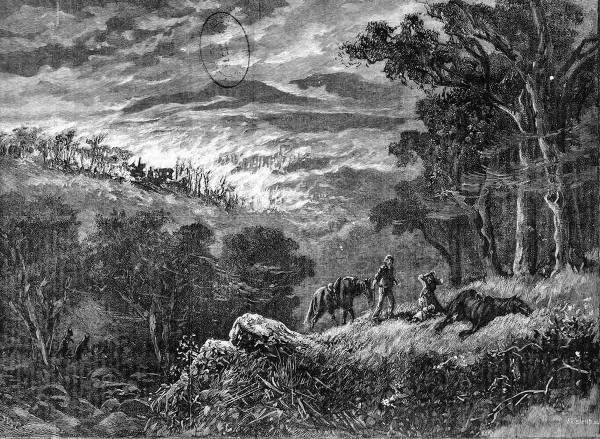
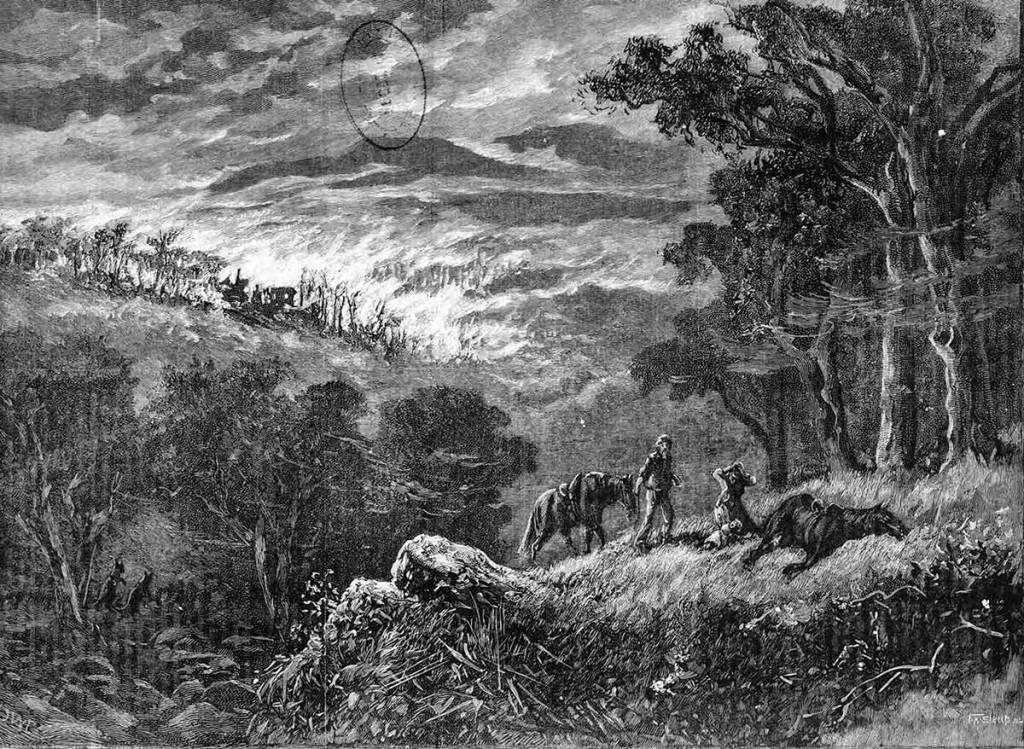
The inferno raged unchecked for days, consuming everything in its path with an insatiable appetite. Towns and settlements were engulfed in flames, homes reduced to ash, and livelihoods destroyed in a matter of hours. The sky turned an eerie shade of red as smoke blanketed the horizon, casting a pall of darkness over the land.

BLACK THURSDAY, FEBRUARY 1851 (1888). Engraver: F.A. Sleap. Image courtesy of the State Library of Victoria http://handle.slv.vic.gov.au/10381/47777

The Impact and Aftermath

The toll of Black Thursday was staggering. Estimates suggest that over 5 million hectares of land were scorched, an area equivalent to roughly a quarter of present-day Victoria. Lives were lost, with accounts of both human and animal casualties haunting the survivors for years to come. The economic repercussions were equally devastating, as entire communities grappled with the aftermath of widespread destruction.

Moreover, the ecological impact of the fires was profound, reshaping the landscape and forever altering the delicate balance of ecosystems. Native flora and fauna were decimated, and the scars of the fires would remain etched into the land for generations to come.

A Turning Point in History

Black Thursday marked a turning point in Australia’s history, serving as a stark reminder of the inherent dangers posed by bushfires in the Australian landscape. It sparked a newfound urgency in fire management and prevention efforts, leading to the establishment of fire brigades and the adoption of more rigorous firefighting strategies.

Furthermore, the event catalyzed a shift in public perception, fostering a deeper appreciation for the fragility of Australia’s natural environment and the need for sustainable land management practices. The resilience and determination displayed by communities in the face of adversity served as a testament to the indomitable spirit of the Australian people.

THE BUSH ON FIRE (1865). Image courtesy of the State Library of Victoria http://handle.slv.vic.gov.au/10381/236426

Challenges and Continuity

Despite significant advancements in fire management techniques, the threat of bushfires continues to loom large over Australia. Climate change has exacerbated the risk, leading to longer and more intense fire seasons and increasing the frequency of extreme weather events. Urban sprawl into bushland areas further complicates matters, placing additional strain on firefighting resources and exacerbating the potential for catastrophic loss.

Addressing the challenges posed by bushfires requires a multifaceted approach, encompassing proactive measures such as fuel reduction burns, investment in firefighting infrastructure, and community education and preparedness initiatives. Additionally, a concerted effort to mitigate the impacts of climate change is paramount, as the long-term viability of Australia’s ecosystems hangs in the balance.

Conclusion

The legacy of Black Thursday endures as a somber reminder of the destructive power of nature and the resilience of the human spirit. As Australia grapples with the ongoing threat of bushfires, it is imperative that we draw upon the lessons of the past to forge a path towards a more resilient and sustainable future. Only through collective action and unwavering determination can we hope to confront the challenges that lie ahead and safeguard the precious landscapes that define this great nation.

Title: “The Great Emu War: Unravelling the Feathery Battlefield of Australian History”

It’s 1932, post-World War I, and Australia is grappling with the aftermath of the Great Depression. Times are dire, families are struggling its not a faithful era throughout Australia. In the rural landscapes of Western Australia, a very unique and unexpected conflict unfolds, one that involves not human adversaries, but the flightless and seemingly harmless emus.

But before we delve into the war, let’s set the stage. Why were the emus causing such a fuss, and how did they become the centre of attention in Australian history?

Emus, native to Australia, were faced with a significant challenge during the 1930s. The end of World War I had seen many Australian soldiers returning home, and the government, in an attempt to assist them, offered land for farming. This was both a reward and opportunity to rebuild their lives after fighting for our country. The catch? These soldiers were given land in Western Australia, particularly around Campion and Walgoolan, areas that also happened to be prime emu territory.

The emus, with their large numbers and ravenous appetites, soon found the newly cultivated farmlands to be a paradise. There were crops and farmlands in abundance, this was a dream come true for the farmers. But a nightmare of disappearing crops and flocks upon flocks of emus destroying their farmland. Unfortunately, this led to a clash between the farmers and the emus, as the feathered invaders wreaked havoc on crops, destroying fences and decimating the livelihoods of those struggling to make ends meet.

Photo by alexandre saraiva carniato on Pexels.com

Enter Major G.P.W. Meredith, a war veteran and farmer, who was tasked with finding a solution to the emu problem. The Australian government, in an attempt to curb the growing emu population, provided Meredith with two Lewis machine guns and 10,000 rounds of ammunition. Yes, you heard that right – machine guns against emus.

The plan was simple, use the machine guns to thin out the emu population and protect the farmers’ crops. However, what seemed straightforward on paper turned out to be a comical and ultimately futile Endeavor.

The battlefield? The vast and open plains of Western Australia. The emus, known for their agility and speed, proved to be formidable opponents. The soldiers found it challenging to target the fast-moving birds, and the emus, displaying their own brand of military tactics, often scattered in all directions, making them difficult to pin down.

The emus were quick learners, adapting to the soldiers’ strategies. They would split into smaller groups, making it nearly impossible for the machine guns to make a significant impact. Absolutely frustrated and stunned, the soldiers were using up ammunition, funds, time and not getting any results with the crops still suffering and farmlands destroyed.

Despite their best efforts, the soldiers, after a few weeks of engagement, realized the futility of the campaign. After two months, fewer than 1,000 emus were reported killed. The media back home caught wind of the peculiar conflict, and soon, the Great Emu War became a source of both amusement and embarrassment for the Australian government.

In the end, the government decided to withdraw its forces from the emu battleground. Major Meredith himself admitted defeat, stating that the emus were “invulnerable to bullets.” The war, was over.

Photo by Ozgur Camurlu on Pexels.com

So, why do we still talk about the Great Emu War today? Well, beyond its sheer absurdity, the event highlights the challenges faced by Australia during the Great Depression. It also serves as a reminder of the delicate balance between human development and the preservation of native wildlife.

Today, emus roam freely in Australia, protected by conservation efforts and admired for their unique place in the country’s natural heritage. The Great Emu War may have been a humorous footnote in history, but it also raises important questions about human-wildlife interactions and the consequences of our attempts to control nature.

And there you have it, mates the fascinating and bizarre tale of the Great Emu War. If you enjoyed this deep dive into history, don’t forget to hit that like button, subscribe for more content, and let us know in the comments which historical events you’d like us to explore next.

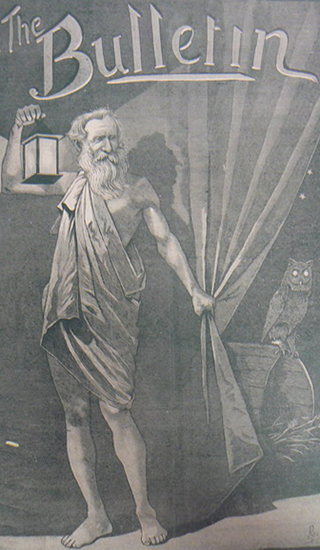
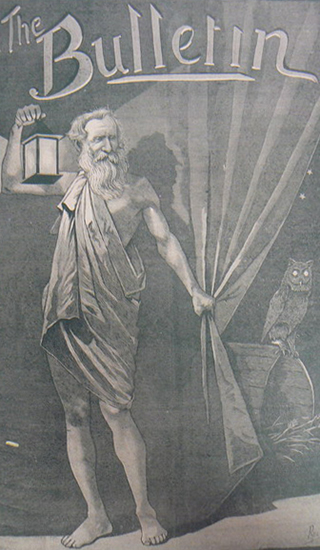
Celebrating 144 Years of Australian Insight: The Bulletin Magazine

As the first light of dawn illuminated the Australian landscape on January 31, 1880, it heralded the birth of an institution that would resonate through the corridors of time – The Bulletin magazine. Today, as we mark its 144th anniversary since the publication of its inaugural issue, it’s worth reflecting on the indelible mark this magazine has left on Australian history, culture, and the evolution of media.

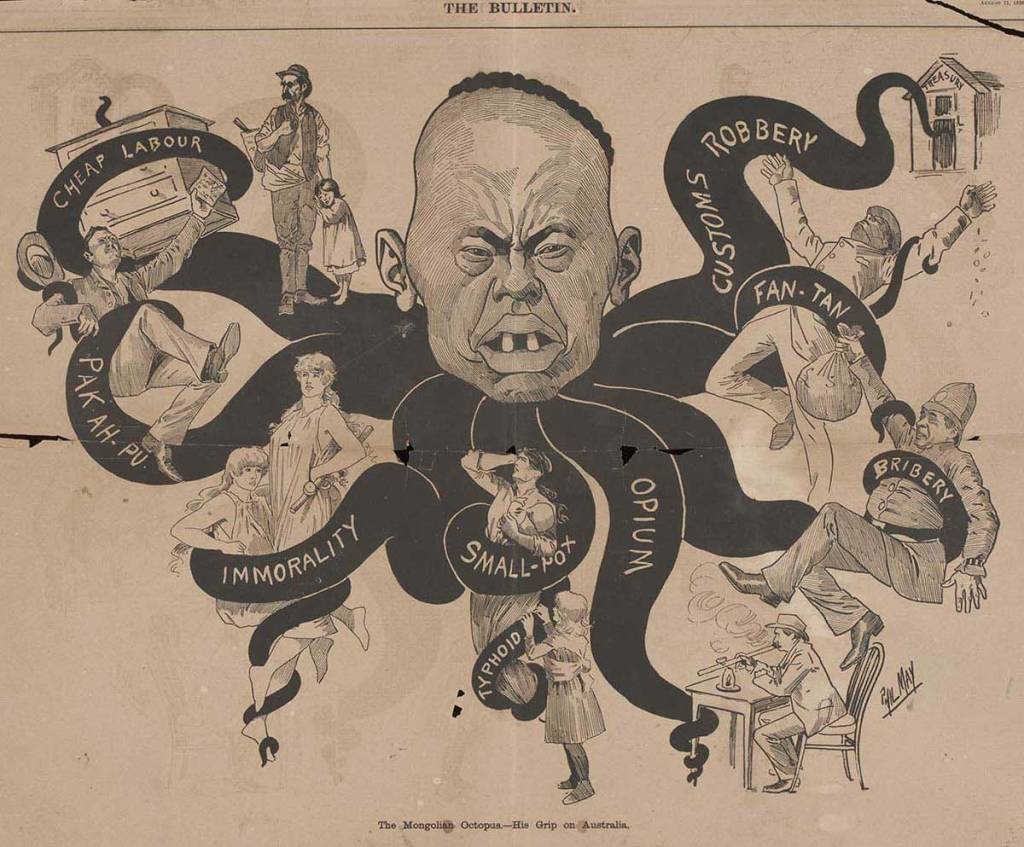
The Bulletin emerged during a pivotal era in Australian history. The late 19th century was a time of profound transformation, as the fledgling nation grappled with questions of identity, nationhood, and independence. Against this backdrop, The Bulletin positioned itself as the voice of the Australian people, championing causes and sparking debates that would shape the course of the nation.

One of the magazine’s most enduring legacies lies in its coverage of major social, political, and cultural issues. From the push for Federation to the struggles of the labor movement, The Bulletin served as a forum for impassioned discourse and dissent. Its pages brimmed with articles, essays, and cartoons that tackled everything from colonial politics to bush poetry, reflecting the diverse tapestry of Australian life.

In the realm of literature, The Bulletin played a pivotal role in nurturing and promoting Australian writers. It provided a platform for emerging talents such as Henry Lawson and Banjo Paterson, whose works would come to define the Australian literary canon. Through its pages, the magazine celebrated the unique vernacular and spirit of the Australian bush, helping to forge a distinct national identity.

Beyond its literary and political contributions, The Bulletin held a mirror to Australian society, reflecting its triumphs, challenges, and contradictions. It chronicled the joys and hardships of everyday life, capturing the essence of a nation in flux. From the bustling streets of Sydney to the vast expanses of the Outback, its reporters traversed the length and breadth of the continent, chronicling the pulse of the nation.

However, as we reflect on The Bulletin’s rich legacy, it’s essential to acknowledge the seismic shifts that have reshaped the media landscape in the 21st century. In 1880, the magazine stood as a beacon of print journalism in an era defined by ink and paper. Today, the digital revolution has ushered in a new era of media consumption, transforming the way we access, consume, and engage with information.

In the digital age, the boundaries between creator and audience have blurred, with social media platforms and online forums democratizing the dissemination of news and opinion. While The Bulletin once wielded unparalleled influence as a gatekeeper of information, today’s media landscape is characterized by fragmentation and decentralization, with an abundance of voices vying for attention in an increasingly crowded marketplace of ideas.

Moreover, the rise of digital media has brought both opportunities and challenges for journalism. While it has expanded the reach and accessibility of information, it has also given rise to concerns about misinformation, echo chambers, and the erosion of traditional journalistic standards. In this brave new world, the role of the journalist as a trusted custodian of truth and integrity has never been more crucial.

As we celebrate the anniversary of The Bulletin magazine, we pay tribute to its enduring legacy as a beacon of Australian insight and identity. From its humble beginnings in 1880 to its profound impact on the nation’s history, culture, and consciousness, it remains a testament to the power of journalism to inform, inspire, and provoke. And as we navigate the ever-changing currents of the 21st century media landscape, we do so with the knowledge that the spirit of The Bulletin lives on in the heart of every Australian who seeks to understand, engage, and shape the world around them.

From the Outback to the Ballot Box: The Evolution of the Australian Country Party

In the vast and rugged landscapes of early 20th-century Australia, a political movement emerged that would come to shape the nation’s history and influence its political landscape for decades to come. Born out of the agrarian discontent and rural concerns of the time, the Australian Country Party, now known as the National Party of Australia, was founded in 1920 with a mission to represent the interests of rural and regional Australians.

The Birth of the Australian Country Party

The aftermath of World War I brought about significant changes in Australia, both socially and economically. As the nation transitioned from a predominantly agrarian society to an industrialized one, rural communities faced unique challenges and felt increasingly marginalized in the political sphere. The establishment of the Australian Country Party in 1920 was a direct response to these challenges, providing a platform for rural voices to be heard and rural issues to be addressed.

Led by prominent figures such as Earle Page, the party quickly gained traction, particularly in rural electorates where it championed policies aimed at supporting farmers, promoting agricultural development, and decentralizing power away from the urban centres. Its formation marked a significant shift in Australian politics, as it challenged the dominance of the major parties and provided a voice for those outside the urban hubs.

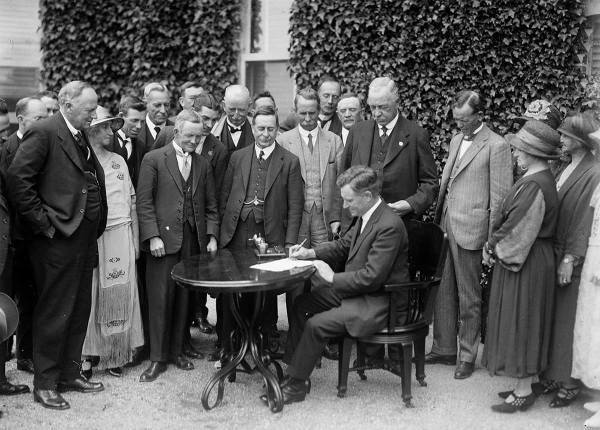
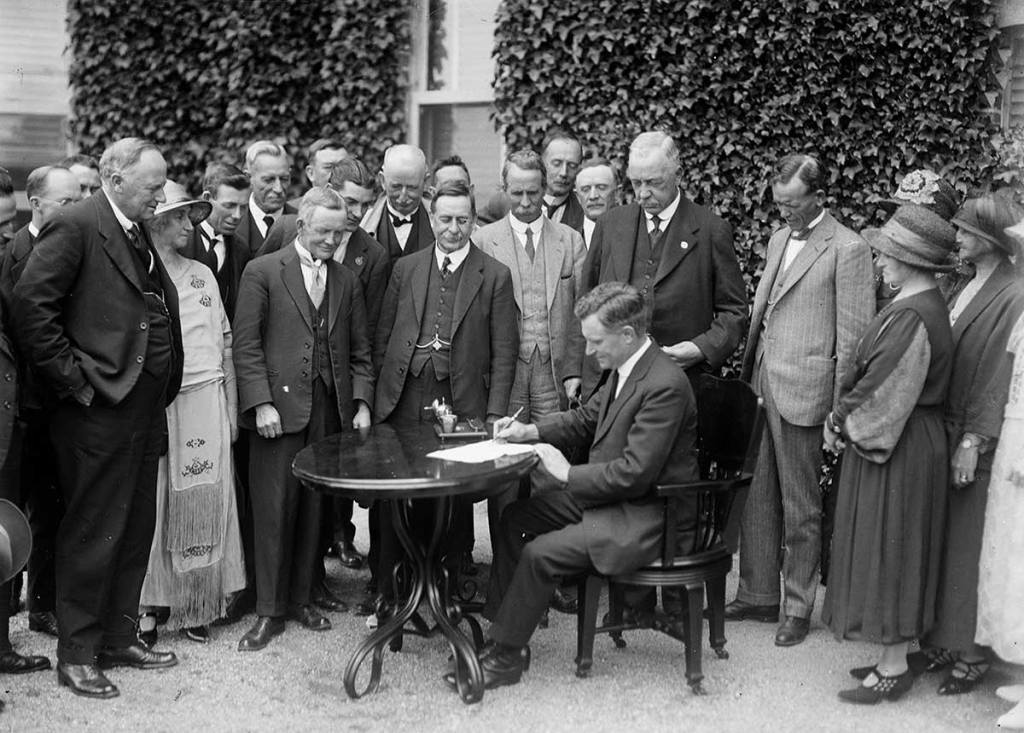
Acting Prime Minister Earle Page signing the first federal Cabinet document issued in Canberra, 30 January 1924

Evolution into the Nationalist Party and Beyond

Over the years, the Australian Country Party underwent several transformations, reflecting changes in Australian society and politics. In 1925, it joined forces with the Nationalist Party to form the Country and National Party, which later evolved into the United Australia Party. This alliance allowed rural interests to align with broader conservative agendas, further solidifying the party’s presence in Australian politics.

In 1975, the party adopted its current name, the National Party of Australia, signalling a renewed focus on rural and regional issues while also embracing a broader nationalist identity. Throughout its history, the party has maintained a close relationship with the Liberal Party, often forming coalition governments at both the federal and state levels. This partnership has allowed the Nationals to wield significant influence despite their smaller size, particularly in shaping policies related to agriculture, trade, and regional development.

Earle Page, who became leader of the federal Country Party in 1922

Importance in Australian History

The Australian Country Party, now the National Party, holds a unique place in the annals of Australian history. Its founding in 1920 represented a turning point in the nation’s political landscape, giving rural Australians a voice and ensuring that their concerns were not overlooked in the corridors of power. Over the years, the party has played a crucial role in shaping policies that impact the lives of millions of Australians living outside the major cities.

From advocating for fair prices for agricultural produce to fighting for improved infrastructure in regional areas, the Nationals have been at the forefront of efforts to address the unique challenges faced by rural communities. Their partnership with the Liberal Party has enabled them to influence government agendas and secure funding for projects that benefit regional Australia, from roads and railroads to healthcare and education.

In today’s rapidly changing world, the National Party continues to adapt and evolve, grappling with new challenges such as climate change, drought, and the digital divide. Yet, its core mission remains unchanged: to represent the interests of rural and regional Australians and ensure that their voices are heard in the halls of power.

Conclusion

The founding of the Australian Country Party in 1920 marked a significant milestone in Australian history, providing a platform for rural voices and shaping the nation’s political landscape for decades to come. From its humble beginnings to its evolution into the National Party of Australia, the party has remained steadfast in its commitment to representing the interests of rural Australians and advocating for policies that promote their prosperity and well-being. As Australia continues to evolve, the National Party stands as a testament to the enduring importance of rural Australia in the nation’s identity and future.

Remembering Ronald Ryan: Australia’s Last Execution and Its Enduring Impact

In the annals of Australian history, there exists a chapter that stands as a poignant reminder of the nation’s journey towards abolishing capital punishment. It revolves around the tragic fate of Ronald Ryan, the last person to be executed in Australia. His story not only serves as a sombre reflection on the ethics of state-sanctioned death but also marks a pivotal moment in Australia’s legal and moral evolution.

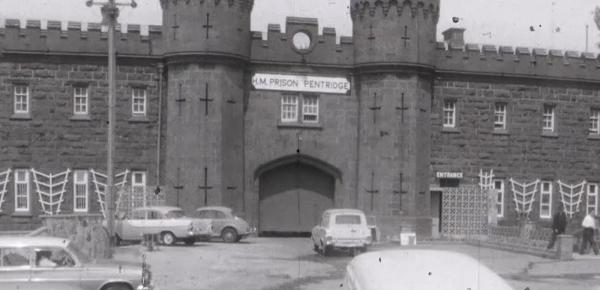
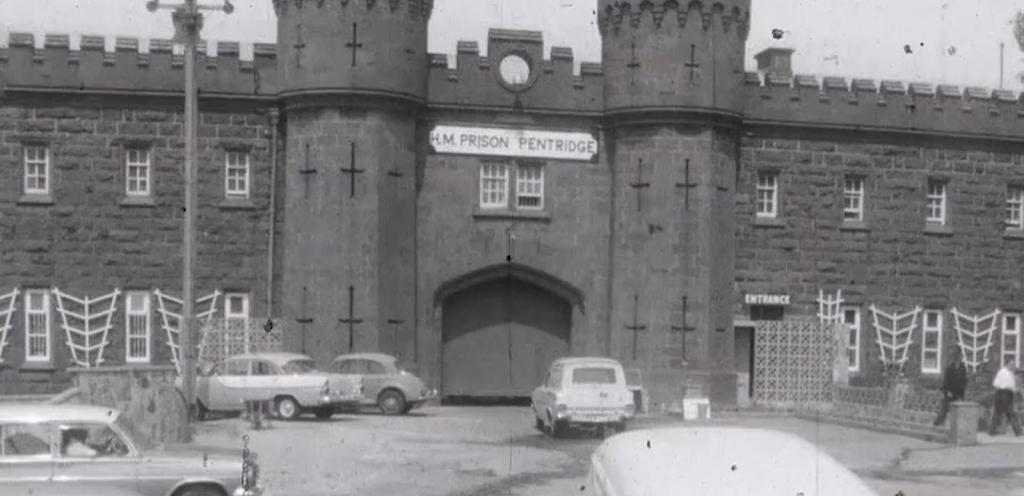
In 1967, Ronald Joseph Ryan, a petty criminal, found himself at the centre of a highly contentious debate surrounding the death penalty. Convicted of the murder of prison warder George Hodson during an escape from Pentridge Prison in Victoria, Ryan became the focal point of a nationwide discourse on justice, mercy, and the role of capital punishment in society.

The circumstances of Ryan’s case were shrouded in controversy. Many questioned the fairness of his trial, citing inconsistencies in evidence and witness testimonies. Others argued that his actions were a desperate bid for freedom rather than premeditated murder, urging clemency on humanitarian grounds. Despite fervent appeals for a reprieve, including petitions signed by thousands and pleas from prominent figures, Ryan’s fate seemed sealed.

On the morning of February 3, 1967, Ronald Ryan faced the gallows at Pentridge Prison. As the noose tightened around his neck, protesters gathered outside, their voices echoing calls for mercy. Yet, their pleas fell on deaf ears, and Ryan became the unfortunate endpoint of Australia’s capital punishment era.

The execution of Ronald Ryan sent shockwaves throughout the nation, sparking outrage and soul-searching on a scale not witnessed before. It ignited a fervent debate on the morality and efficacy of the death penalty, prompting Australians to confront uncomfortable truths about justice, equality, and the sanctity of human life.

Ryan’s death prompted soul-searching within Australia’s legal and political spheres. It galvanized a movement advocating for the abolition of capital punishment, with lawmakers and activists alike questioning the wisdom of a legal system that permitted the ultimate form of punishment. The momentum generated by Ryan’s execution propelled Australia towards a seismic shift in its approach to justice, paving the way for significant legislative reforms.

In the years following Ryan’s death, public opinion turned decisively against the death penalty. The realization dawned that the irreversible nature of capital punishment left no room for error or redemption, raising troubling questions about the fallibility of the judicial system. Australia’s collective conscience recoiled at the thought of perpetuating a system that could potentially condemn innocent lives to the gallows.

The legacy of Ronald Ryan endures as a testament to the power of collective action and the capacity for societal change. His tragic demise served as a catalyst for reform, inspiring generations of Australians to strive for a more just and humane legal system. In 1984, Victoria became the last Australian state to abolish capital punishment, marking the culmination of a decades-long struggle for abolition.

Today, as we reflect on the death of Ronald Ryan, we are reminded of the importance of vigilance in upholding the principles of justice and human rights. His story serves as a cautionary tale against the perils of unchecked state power and the dangers of forsaking compassion in the pursuit of retribution.

In commemorating Ryan’s life and the events that led to his untimely death, we reaffirm our commitment to a society founded on the values of fairness, mercy, and empathy. May his memory continue to inspire us to strive for a world where justice is tempered with compassion, and where the dignity of every individual is upheld and respected.

The Rum Rebellion: Australia’s Fight for Governance and Freedom

In the annals of Australian history, one event stands out as a testament to the struggle for governance and the pursuit of freedom: the Rum Rebellion. This pivotal moment, which occurred in the early years of the colony, not only shaped the course of Australian politics but also the importance of principles such as democracy and the rule of law. Let’s delve into the story of the Rum Rebellion, exploring its causes, its unfolding, and its lasting impact on the Australian nation.

To understand the significance of the Rum Rebellion, we must first grasp the context in which it unfolded. In the late 18th century, Australia was primarily a British penal colony, established with the arrival of the First Fleet in 1788. The governance of the colony fell under the purview of the British Crown, with a Governor appointed to oversee affairs on behalf of the distant monarch.

However, the reality of life in the fledgling colony was far from smooth. Issues such as corruption, economic hardship, and social inequality plagued the early settlers. Moreover, the rum trade emerged as a prominent and lucrative industry, with rum often serving as a de facto currency in the absence of sufficient coinage.

At the heart of the Rum Rebellion lay the influence of the New South Wales Corps, colloquially known as the Rum Corps. Formed to provide military protection to the colony, this regiment soon became embroiled in the economic and political affairs of early Australia. Many of its officers were involved in the rum trade, leveraging their positions for personal gain and power.

Under the leadership of officers such as Major George Johnston, the Rum Corps wielded considerable influence, often at odds with the appointed governors. This tension between the military and civilian authorities would eventually reach a boiling point, setting the stage for the events that would come to define the Rum Rebellion.

The catalyst for the Rum Rebellion came in the form of Governor William Bligh, of HMS Bounty fame. Appointed to govern New South Wales in 1806, Bligh arrived with a reputation for staunch discipline and an uncompromising stance against corruption. His efforts to lower the illegal rum trade and challenge the entrenched interests of the Rum Corps immediately put him at odds with the military establishment.

Bligh’s confrontational style and attempts to enforce strict regulations on the rum trade earned him the enmity of many influential figures within the colony, particularly those with vested interests in the lucrative enterprise. As tensions escalated, a showdown between the governor and the Rum Corps became inevitable.

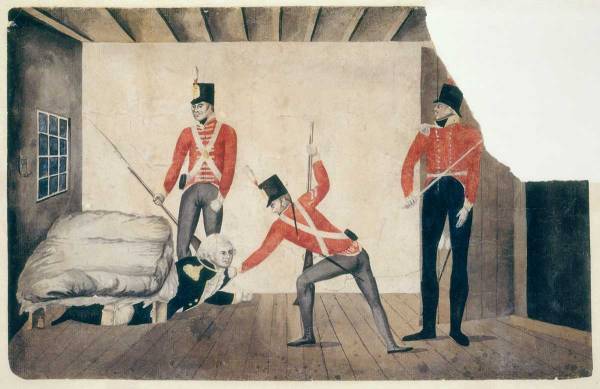
The spark that ignited the Rum Rebellion occurred on the morning of January 26, 1808, when Governor Bligh ordered the arrest of Johnston and several other officers for their involvement in the illegal rum trade. In a swift and audacious move, Johnston, backed by the Rum Corps, responded by seizing control of the government and imprisoning Bligh, effectively usurping his authority.

The rebellion was remarkably bloodless, yet its implications were profound. For the first time in Australian history, a governor had been forcibly removed from office by military force, setting a dangerous precedent for the rule of law and civil governance in the colony. Despite Bligh’s eventual release and the dispatch of a new governor, the legacy of the rebellion would cast a long shadow over Australian politics.

In the aftermath of the Rum Rebellion, the British government launched an inquiry into the events surrounding Bligh’s deposition. While Johnston and other key figures were eventually recalled to England to face charges, the broader ramifications of the rebellion reverberated throughout the colony.

The episode exposed the fragility of colonial governance and highlighted the need for stronger mechanisms of accountability and oversight. It also galvanized calls for greater democratic reforms and increased civilian control over military affairs. Over time, the principles of responsible government and representative democracy would take root, shaping the future trajectory of Australian politics.

The Rum Rebellion stands as a pivotal moment in Australia’s history, symbolizing the struggle for governance and freedom in the early years of the colony. It serves as a reminder of the enduring values of democracy, accountability, and the rule of law, which continue to underpin the Australian nation today. By understanding the causes and consequences of the rebellion, we gain insight into the complex dynamics that shaped the evolution of Australian society and politics, laying the foundation for the vibrant democracy that exists today.

Simpson and His Donkey: Heroes of Gallipoli in Australian History

Today, we embark on a journey into the heart of one of the most poignant stories from Australia’s history – the tale of Simpson and his donkey.

As the world found itself engulfed in the flames of World War I, Australia, with unwavering loyalty to the British Empire, sent thousands of its sons to fight on foreign shores. Among them was John Simpson Kirkpatrick, better known as “Simpson,” a man whose compassion and bravery would permanently write his name into the pages of Australian history.

John Simpson, was a stretcher-bearer in the 3rd Australian Field Ambulance born in South Shields, England, in 1892, arrived in Australia in 1910. Drawn to the adventurous spirit of the country, he worked various jobs before enlisting in the Australian Imperial Force (AIF) when war broke out in 1914.

Now, let’s transport ourselves to the rugged cliffs and sandy beaches of Gallipoli in 1915. The Allied forces, including the Australian and New Zealand Army Corps (ANZAC), landed in what would become one of the most challenging theatres of war.

Simpson’s story is intertwined with a humble companion – a donkey. These creatures, known for their strength and resilience, played a crucial role in the harsh terrain of Gallipoli. But for Simpson, his donkey was more than just a beast of burden; it became a symbol of hope and humanity in the midst of chaos.

Simpson’s role in the Gallipoli campaign was nothing short of extraordinary. In the chaos of battle, he tirelessly transported wounded soldiers from the front lines to the beach, where they could receive medical attention. His efforts were not without danger – navigating steep, treacherous terrain while under constant enemy fire.

As word of Simpson’s selfless deeds spread, he became a symbol of hope and resilience for the ANZAC troops. The legend of the man with the donkey grew, transcending the horrors of war. In the midst of tragedy, Simpson’s actions offered a glimmer of humanity, reminding everyone that even in the darkest times, heroes emerge.

Tragically, Simpson’s time on the front lines was short-lived. Just a few weeks after arriving at Gallipoli, he was fatally wounded by sniper fire. But his legacy endured. Today, monuments and memorials across Australia pay tribute to Simpson and his donkey, immortalizing their sacrifice and the spirit of mateship that defines the ANZAC tradition.

Photo by Plato Terentev on Pexels.com

Simpson and his donkey left an indelible mark on the Australian psyche. Their story is woven into the fabric of the nation’s identity, serving as a reminder of the sacrifices made by everyday individuals during times of conflict.

And there you have it, the remarkable tale of Simpson and his donkey. In the face of adversity, they exemplified the true ANZAC spirit. As we reflect on their bravery, let’s not forget the countless others who, like them, demonstrated extraordinary courage on the battlefields of history. If you enjoyed this video, don’t forget to like, share, and subscribe for more stories from the pages of history. Until next time, stay curious.

Blog at WordPress.com.

Up ↑