Unveiling the 1895 Federation Drought: A Turning Point in Australian History

In the annals of Australian history, the Federation Drought of 1895 stands as a testament to the harsh realities of nature and its profound impact on the nation’s development. This catastrophic event, often dubbed as the worst drought since European settlement, holds immense significance in shaping the socio-economic and environmental landscape of Australia. As we delve into its depths, we uncover not only tales of adversity and resilience but also pivotal moments that laid the groundwork for the nation’s future.

The late 19th century witnessed Australia on the cusp of a significant transformation. With the colonies moving towards federation, the Federation Drought struck at a critical juncture, leaving an indelible mark on the collective consciousness of the nation-to-be. Stretching from 1895 to 1903, this prolonged period of aridity wreaked havoc across vast swathes of the continent, crippling agriculture, decimating livestock, and plunging communities into dire poverty.

At its core, the Federation Drought was not merely a natural disaster; it was a crucible that tested the resilience of the Australian spirit. Remote outposts and burgeoning settlements found themselves isolated and vulnerable as water sources dwindled, crops withered, and livestock perished en masse. The harsh realities of survival forced individuals and communities to confront the stark fragility of their existence, fostering a sense of solidarity and camaraderie amidst the adversity.

The impact of the drought reverberated far beyond the agricultural sector, permeating every facet of Australian society. Economic turmoil gripped the nation as export revenues plummeted, businesses faltered, and unemployment soared. The urban populace, often insulated from the harsh realities of rural life, grappled with rising food prices and dwindling supplies, prompting calls for government intervention and assistance.

Moreover, the Federation Drought laid bare the inadequacies of existing infrastructure and governance structures in mitigating the impacts of such calamities. The lack of coordinated relief efforts and the absence of a unified national response underscored the urgent need for a cohesive approach to disaster management and resource allocation. In many ways, this period of crisis served as a catalyst for the consolidation of Australian identity and the push towards federation.

Photo by Tom Fisk on Pexels.com

Amidst the despair and desolation, tales of resilience and ingenuity emerged as beacons of hope. Communities banded together, sharing resources, and supporting one another through acts of altruism and solidarity. Innovations in water conservation and agricultural practices arose out of necessity, laying the groundwork for future advancements in sustainability and resilience.

The Federation Drought also sparked a paradigm shift in the national psyche, fostering a deeper appreciation for the fragile balance between humanity and the environment. It served as a sobering reminder of the intrinsic interconnectedness of ecosystems and the need for responsible stewardship of the land. As Australia grappled with the aftermath of this cataclysmic event, it embarked on a journey towards environmental consciousness and sustainable development.

In hindsight, the Federation Drought serves as a poignant reminder of the enduring resilience of the Australian spirit in the face of adversity. It represents a pivotal moment in the nation’s history, where hardship and suffering laid the foundation for unity and progress. As we reflect on this seminal event, let us honor the sacrifices of those who endured its wrath and draw inspiration from their resilience as we navigate the challenges of the future.

In conclusion, the Federation Drought of 1895 stands as a watershed moment in Australian history, shaping the nation’s trajectory and leaving an indelible imprint on its collective consciousness. From the ashes of despair arose a newfound sense of unity, resilience, and environmental stewardship that continues to resonate to this day. As we commemorate this historic event, let us heed its lessons and strive towards a future where the bonds of community and the sanctity of the land are cherished and preserved for generations to come.


The Black Line: A Dark Chapter in Australian History

In the annals of Australian history, there are moments that stand out as stark reminders of the country’s complex past, where the clash of cultures and the pursuit of land and power led to tragic consequences. One such event is the Black Line of 1830, an attempt by the colonial authorities to corral and subjugate the Aboriginal population of the Tasman Peninsula. This dark chapter, though often overlooked, left an indelible mark on the landscape of Australia and its people.

In the early 19th century, as European settlers expanded across the Australian continent, they encountered Indigenous populations who had lived on the land for tens of thousands of years. These encounters were marked by misunderstandings, conflicts, and violence, as each group sought to assert their dominance and secure their interests. By the 1830s, tensions had reached a boiling point in Van Diemen’s Land (present-day Tasmania), as settlers encroached further into Aboriginal territories, disrupting traditional ways of life and leading to resistance from the Indigenous inhabitants.

In response to this resistance and a series of violent clashes between settlers and Aboriginal groups, the colonial government of Tasmania devised a plan known as the Black Line. The goal was to round up and capture all remaining Aboriginal people on the Tasman Peninsula, thereby clearing the surrounding areas for European settlement and reducing the perceived threat to colonial interests. This ambitious and deeply flawed plan involved forming a human chain, or “line,” stretching across the peninsula, with armed settlers and soldiers marching in unison to drive the Aboriginal people towards capture.

The Black Line, which took place in October 1830, was a logistical nightmare from the outset. The terrain of the Tasman Peninsula was rugged and densely forested, making it difficult to maintain a continuous line of searchers. Additionally, the Aboriginal people were well-versed in the land and adept at evading capture, employing their knowledge of the terrain to outmaneuver the encroaching forces. Despite the efforts of the settlers and soldiers, the Black Line ultimately failed to achieve its objective of capturing the remaining Aboriginal population.

While the Black Line may have failed in its immediate goal, its impact on Australian history cannot be understated. The event laid bare the deep-seated racism and colonial attitudes towards the Indigenous peoples of Australia, viewing them as obstacles to be removed rather than as rightful inhabitants of the land. The Black Line also highlighted the inherent brutality of colonial expansion, as armed forces were mobilized to forcibly remove and subjugate Indigenous populations in the pursuit of land and resources.

Furthermore, the failure of the Black Line underscored the resilience and determination of the Aboriginal people in the face of colonial oppression. Despite facing overwhelming odds and the threat of violence, they continued to resist and defend their traditional lands and way of life. The legacy of this resistance lives on in the ongoing struggle for Indigenous rights and recognition in Australia today.

In the decades following the Black Line, the Aboriginal population of Tasmania continued to suffer dispossession, displacement, and violence at the hands of European settlers. Their numbers dwindled, their cultures were suppressed, and their land was taken from them. It was not until much later, through acts of reconciliation and restitution, that steps were taken to acknowledge the injustices of the past and to work towards healing the wounds inflicted upon Australia’s Indigenous peoples.

In conclusion, the Black Line of 1830 stands as a somber reminder of the dark realities of Australia’s colonial history. It serves as a testament to the resilience of the Aboriginal people in the face of adversity and the ongoing struggle for justice and recognition. By confronting the painful truths of the past, we can strive to build a more inclusive and equitable future for all Australians, one that acknowledges and respects the rights and experiences of Indigenous peoples.

Dirk Hartog’s Landing: A Milestone in Australian History

In Australian history, certain moments stand out as pivotal, marking the intersection of cultures, the discovery of new lands, and the forging of connections across vast distances. One such moment occurred in 1616 when Dutch navigator Dirk Hartog landed on an island off the coast of Western Australia, a place that now bears his name. This event not only marked the first recorded European landing on Australian soil but also laid the foundation for centuries of exploration, colonization, and cultural exchange. In this blog post, we delve into the significance of Dirk Hartog’s landing and its enduring impact on Australian history.

Dirk Hartog’s journey to the shores of Western Australia was part of the broader Dutch exploration of the Indian Ocean and the Spice Islands. Sailing aboard the Dutch East India Company ship Eendracht, Hartog charted a course across the vast expanse of the ocean, seeking new trade routes and opportunities for Dutch commerce. Little did he know that his voyage would lead to a momentous encounter with the unknown shores of Australia.

On October 25, 1616, Hartog’s ship made landfall on an uninhabited island off the coast of what is now Shark Bay in Western Australia. This island, which Hartog named after himself, became a landmark in the history of Australian exploration. Upon landing, Hartog erected a wooden post, known as the Hartog Plate, inscribed with details of his visit, including the names of his ship and the date of his arrival. This simple act would become a touchstone for future explorers and a tangible link to Australia’s past.

Dirk Hartog’s landing holds immense significance in the tapestry of Australian history for several reasons. Firstly, it represents the earliest documented European contact with the Australian continent, predating the better-known voyages of explorers like James Cook by over a century. Hartog’s arrival shattered the myth of Terra Australis Incognita, the fabled southern landmass hypothesized by European geographers, and began the process of European exploration and colonization of Australia.

Secondly, Hartog’s landing served as a catalyst for subsequent voyages of discovery and colonization in Australia. The knowledge gained from Hartog’s expedition, including navigational charts and geographical observations, paved the way for future explorers to venture further into the continent’s interior and establish permanent settlements along its coastlines.

Furthermore, Hartog’s landing marked the beginning of European involvement in Australia’s Indigenous history. While Hartog encountered no Indigenous inhabitants during his brief stay, his arrival foreshadowed the profound impact that European colonization would have on the Aboriginal peoples of Australia. The subsequent waves of settlement and the clash of cultures that ensued would shape the course of Australian history for centuries to come.

Despite its historical significance, Dirk Hartog’s landing remained relatively obscure for many years, overshadowed by later events in Australian history. However, in recent decades, efforts have been made to commemorate Hartog’s expedition and its importance to Australia’s heritage.

Photo by Ingo Joseph on Pexels.com

In 2016, Australia celebrated the 400th anniversary of Hartog’s landing with a series of events and commemorations across the country. The Hartog 400 Festival, held in Western Australia, featured exhibitions, reenactments, and cultural exchanges highlighting the significance of Hartog’s voyage. Additionally, the Hartog Plate itself, now housed in the Rijksmuseum in Amsterdam, serves as a tangible reminder of the Dutch contribution to Australia’s history.

Dirk Hartog’s landing on the shores of Western Australia in 1616 was a momentous event that reverberates through the corridors of Australian history. From its role as the first recorded European contact with Australia to its legacy as a symbol of exploration and cultural exchange, Hartog’s expedition continues to resonate with Australians today. As we reflect on the significance of this historic landing, we are reminded of the enduring connections between peoples and the enduring spirit of discovery that defines our shared human experience.

Edwin Flack: Pioneering Australia’s Olympic Spirit in 1896

In Australian sporting history, one name stands out as the trailblazer who ignited the nation’s passion for Olympic excellence. Edwin Flack, a remarkable athlete from the late 19th century, etched his name in the annals of time as Australia’s first Olympian. His journey to the inaugural modern Olympic Games in 1896 not only marked a personal triumph but also heralded the beginning of Australia’s storied Olympic legacy.

Early Life and Athletic Prowess: Born on November 5, 1873, in London, England, Edwin Harold Flack moved to Australia at the tender age of five. Growing up in Victoria, he demonstrated an early affinity for sports, excelling in both athletics and tennis. Flack’s athletic prowess soon caught the attention of his peers and mentors, setting the stage for his meteoric rise in the sporting arena.

Sporting Achievements: Flack’s name became synonymous with excellence in multiple disciplines, but it was his prowess in athletics that truly set him apart. In 1890, he claimed the Victorian one-mile championship, laying the foundation for a string of victories that would solidify his status as a sporting icon. His versatility shone through as he dominated events ranging from sprints to distance running.

The year 1896 marked a watershed moment in Flack’s career as he embarked on a journey that would forever alter the course of Australian sporting history. With unwavering determination and unparalleled skill, he set sail for Athens, Greece, to compete in the inaugural modern Olympic Games.

Historic Triumph at the 1896 Olympics: Edwin Flack’s participation in the 1896 Olympics was more than just a personal quest for glory; it was a testament to his unwavering commitment to excellence and his pioneering spirit. Competing in the 800 meters and 1500 meters events, Flack captivated audiences with his electrifying performances.

In a display of sheer dominance, Flack clinched the gold medal in both the 800 meters and 1500 meters races, etching his name in the annals of Olympic history as Australia’s first-ever Olympic champion. His triumphs reverberated across the globe, capturing the imagination of a nation and inspiring future generations of Australian athletes to strive for greatness on the world stage.

Photo by Pixabay on Pexels.com

Significance in Australian History: Beyond his individual accomplishments, Edwin Flack’s legacy extends far beyond the realm of athletics. His historic triumphs at the 1896 Olympics served as a catalyst for the burgeoning sports culture in Australia, igniting a flame of national pride and unity that continues to burn brightly to this day.

Flack’s pioneering spirit embodied the essence of the Olympic movement, transcending borders and uniting nations in the pursuit of sporting excellence. His indomitable spirit and unwavering dedication to his craft serve as an enduring source of inspiration for athletes around the world, reminding us all of the power of perseverance and the limitless potential of the human spirit.

In the annals of Australian sporting history, few figures loom as large as Edwin Flack. His historic triumphs at the 1896 Olympics not only cemented his legacy as Australia’s first Olympian but also laid the foundation for a proud tradition of excellence that continues to thrive to this day. As we celebrate his achievements and honor his memory, let us draw inspiration from his remarkable journey and strive to emulate his unwavering commitment to greatness in all endeavors. Edwin Flack may have been Australia’s first Olympian, but his legacy will endure as a shining beacon of hope and inspiration for generations to come.

William Dampier: Pioneering the Exploration of Australia’s Coastline in 1699

In Australia’s history of exploration, certain names stand out for their pioneering spirit and contributions to the expansion of human knowledge. Among these, William Dampier holds a significant place, particularly in the context of Australia’s history. In the year 1699, Dampier became the first Englishman to explore parts of the Australian coastline, leaving an indelible mark on the continent’s historical narrative.

The Adventurous Spirit of William Dampier: William Dampier was no stranger to the call of adventure. Born in England in 1651, he spent much of his life at sea, embarking on numerous voyages that took him to far-flung corners of the globe. Dampier was not just a sailor; he was also a skilled navigator, naturalist, and writer. His insatiable curiosity drove him to explore new territories and document his observations meticulously.

The Voyage of 1699: In 1699, Dampier set sail on the HMS Roebuck, commissioned by the British Admiralty for a privateering mission in the Pacific. While the primary objective of the voyage was to harass Spanish shipping and establish British presence in the region, Dampier seized the opportunity to explore the largely uncharted coastline of Australia. His journey took him along the northwest coast of the continent, where he made significant observations and discoveries.

Mapping the Unknown: Dampier’s meticulous approach to exploration meant that he kept detailed records of his observations. His journals and maps provided invaluable insights into the geography, flora, and fauna of the Australian coastline. Despite the challenges of navigating treacherous waters and encountering hostile Indigenous communities, Dampier persevered, leaving behind a legacy of exploration that would inspire future generations of adventurers.

Photo by Pixabay on Pexels.com

Significance in Australian History: Dampier’s exploration of the Australian coastline in 1699 marked a significant milestone in the history of the continent. His observations paved the way for further exploration and eventual colonization by the British. The knowledge gained from Dampier’s voyages contributed to a better understanding of Australia’s geography and natural resources, laying the groundwork for future scientific expeditions and settlement.

Legacy and Impact: Although Dampier’s contributions to Australian exploration are often overshadowed by later explorers such as James Cook, his legacy remains enduring. His writings inspired generations of explorers and naturalists, shaping the way we perceive and understand the Australian landscape. Dampier’s name lives on in geographical features such as Dampier Strait and Dampier Peninsula, serving as a testament to his pioneering spirit and enduring legacy.

    In the annals of Australian history, William Dampier’s exploration of the coastline in 1699 stands as a testament to the human spirit of adventure and discovery. His courage, curiosity, and determination paved the way for future explorers and settlers, leaving an indelible mark on the continent’s historical narrative. Today, we remember Dampier not just as an intrepid sailor, but as a pioneering explorer whose contributions continue to inspire and captivate us.

    Remembering the Cataraqui Tragedy: Australia’s Forgotten Maritime Disaster of 1845

    Nestled amidst tales of resilience and triumph, of Australian history lies a somber chapter often overlooked—the tragic sinking of the Cataraqui. On the stormy night of August 4th, 1845, off the rugged coast of King Island, a vessel carrying hopeful immigrants en route to Australia met its untimely demise. What unfolded would become the nation’s deadliest maritime civil disaster, claiming the lives of around 400 souls. Despite the passage of time, the memory of the Cataraqui tragedy endures as a poignant reminder of the perils faced by those who journeyed to the shores of a new land.

    The Cataraqui: A Voyage of Dreams and Desperation: The Cataraqui embarked on its journey from England to Australia with a cargo of dreams and desperation. Among its passengers were individuals seeking refuge and opportunity in the distant colony, their aspirations illuminated by the promise of a new life awaiting them across the seas.

    The Fateful Night: Disaster Strikes: As the Cataraqui navigated the treacherous waters off King Island on the night of August 4th, 1845, disaster struck with merciless force. Buffeted by raging winds and pounding waves, the vessel collided with jagged rocks, rending its hull and sealing the fate of those aboard. Amidst the chaos and terror, passengers and crew found themselves plunged into a desperate struggle for survival.

    The Aftermath: Mourning and Loss: In the aftermath of the Cataraqui’s sinking, the waters off King Island bore witness to a scene of unimaginable tragedy. Rescue efforts were launched, but the toll of the disaster was staggering—nearly 400 lives lost, leaving behind a trail of mourning and devastation. Families and communities on both sides of the ocean grappled with the enormity of their loss, their grief echoing across the years.

    Forgotten in Time: Why the Cataraqui Remains Obscure: Despite its status as Australia’s deadliest maritime civil disaster, the Cataraqui remains largely obscure in the annals of history. The passage of time, coupled with the multitude of tragedies that have since unfolded, has consigned its memory to the shadows. Yet, beneath the layers of obscurity lies a story of profound human suffering and resilience, deserving of remembrance and recognition.

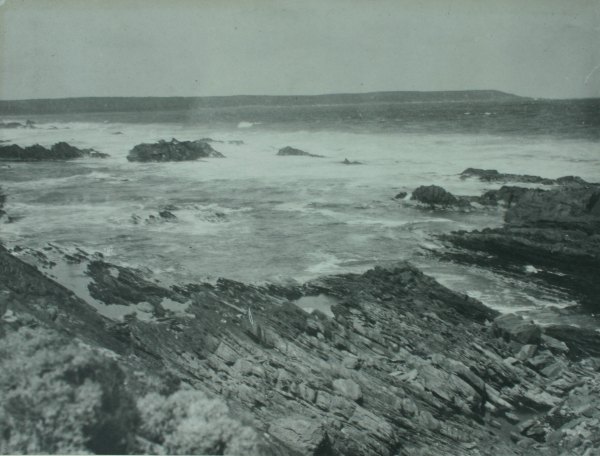
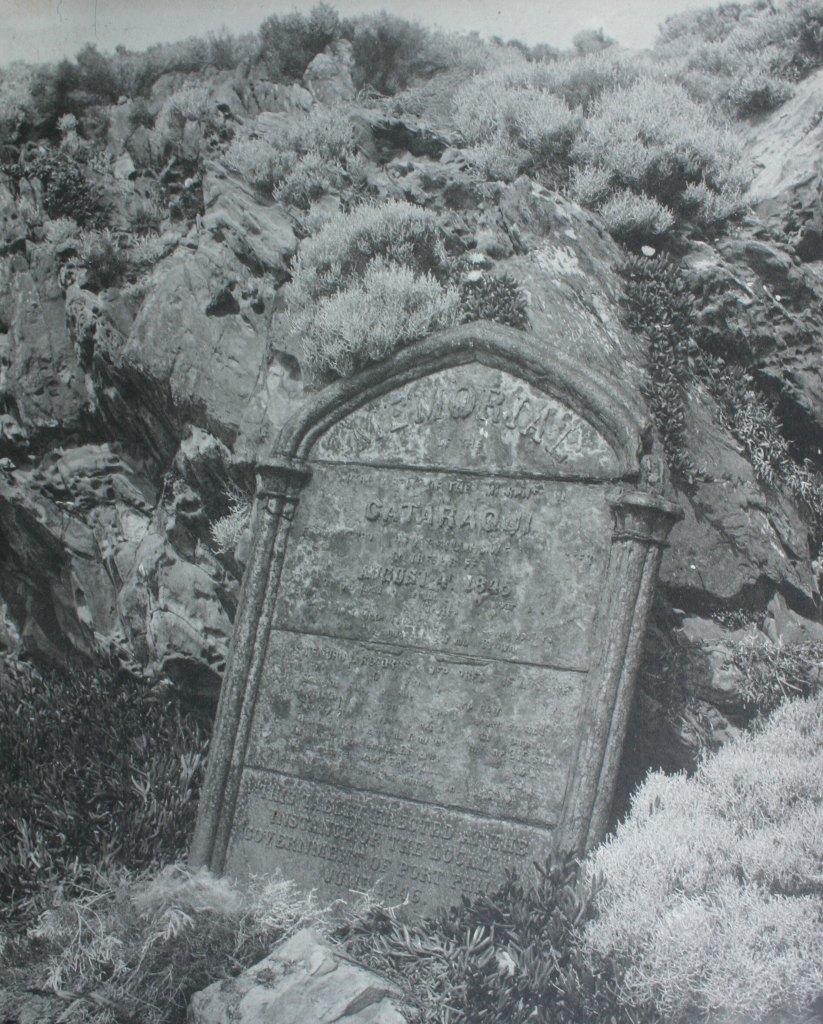
    Archibald J. Campbell (Photographer)Field Naturalists Club of Victoria (Organiser of Expedition) 1887

    Significance in Australian History: Lessons Learned and Legacy: The sinking of the Cataraqui holds lessons that resonate across time and space. It serves as a stark reminder of the perils faced by early immigrants to Australia and the importance of maritime safety regulations and emergency preparedness. Moreover, it underscores the enduring legacy of tragedy in shaping Australia’s immigration policies and attitudes towards risk and safety.

    Honoring the Memory: Commemorating the Cataraqui Tragedy: Efforts to commemorate the Cataraqui disaster serve as a testament to the enduring significance of its memory. From memorials and exhibitions to educational initiatives, these endeavors ensure that the stories of those who perished aboard the Cataraqui are preserved for future generations. By engaging with and reflecting on this tragic chapter in Australian history, we pay tribute to the resilience of the human spirit and honor the lives lost to the depths of the sea.

    Conclusion: As we navigate the currents of history, let us not forget the tragedies that have shaped our collective identity. The sinking of the Cataraqui stands as a solemn reminder of the fragility of life and the resilience of the human spirit. In honoring the memory of those lost, we reaffirm our commitment to cherishing the past and safeguarding the future. May the souls of the Cataraqui’s passengers and crew rest in peace, forever remembered in the annals of Australian history.

    Unveiling the Legacy: The Founding of Perth in 1829 and Its Significance in Australian History

    In the annals of Australian history, the founding of Perth in 1829 stands as a pivotal moment, marking the dawn of Western Australia’s modern era. Nestled along the serene waters of the Swan River, Perth emerged as a beacon of opportunity and ambition, transforming the landscape and shaping the destiny of a continent. As we delve into the rich tapestry of its founding, we uncover not only the spirit of exploration and enterprise but also the complexities and consequences that reverberate through time.

    The genesis of Perth can be traced back to the vision of Captain James Stirling, a pioneering figure whose aspirations extended beyond the confines of established settlements in the eastern reaches of Australia. Determined to explore and colonize the vast expanse of the west, Stirling embarked on a journey that would culminate in the establishment of a new outpost, laying the foundation for what would become the capital city of Western Australia.

    Arriving on the shores of the Swan River in 1827, Stirling and his expeditionary force were greeted by a landscape of breathtaking beauty and untapped potential. Inspired by the fertile soil, temperate climate, and strategic location, Stirling envisioned a thriving settlement that would serve as a gateway to the riches of the west.

    Two years later, Stirling’s vision materialized with the official establishment of the Swan River Colony on the 2nd of May, 1829. Named after Perth in Scotland, the new settlement embodied the aspirations of its founders, heralding a new chapter in Australia’s colonial history.

    Photo by Gregory Mellotte on Pexels.com

    The significance of Perth’s founding resonates on multiple levels, encompassing economic, social, and geopolitical dimensions. At its core, Perth represented a strategic outpost in the British Empire’s global ambitions, expanding its sphere of influence and securing vital trade routes in the Southern Hemisphere. The establishment of a permanent settlement in Western Australia not only bolstered Britain’s presence in the region but also laid the groundwork for the eventual colonization and development of vast tracts of land.

    Economically, Perth became a hub of commerce and industry, attracting settlers from far and wide in search of land, opportunity, and fortune. The fertile soil of the Swan River Valley proved ideal for agriculture, while the burgeoning port facilitated trade and connectivity with the rest of the world. From the early days of timber milling and whaling to the later booms in gold mining and agriculture, Perth emerged as a vital engine of growth and prosperity in the Australian landscape.

    Yet, amidst the promise of progress, Perth’s founding also brought forth a myriad of challenges and conflicts. The dispossession of Indigenous Australians from their ancestral lands, the erosion of traditional ways of life, and the imposition of colonial authority cast a shadow over the settlement’s legacy. The clash of cultures and interests would shape the course of history, leaving indelible scars on the social fabric of Western Australia.

    Moreover, Perth’s founding marked the beginning of a complex relationship between settlers and the natural environment, highlighting the delicate balance between exploitation and conservation. The rapid expansion of urban infrastructure, coupled with the demands of a growing population, placed immense pressure on the region’s ecosystems, leading to environmental degradation and habitat loss.

    As we reflect on the founding of Perth in 1829, we are confronted with a nuanced tapestry of triumphs and tribulations, progress and pitfalls. Its significance in Australian history transcends mere dates and events, embodying the hopes, dreams, and aspirations of countless individuals who dared to venture into the unknown.

    Today, Perth stands as a vibrant metropolis, a testament to the enduring spirit of resilience and reinvention. From its humble origins on the banks of the Swan River to its status as a global city of the 21st century, Perth continues to evolve and adapt, embracing diversity and innovation as the hallmarks of its identity.

    In commemorating the founding of Perth, we pay homage to the pioneers and visionaries who dared to defy the odds and carve out a new destiny on the shores of Western Australia. Their legacy endures in the fabric of our nation, reminding us of the enduring power of human endeavor and the boundless potential of the human spirit.

    The Separation of Victoria from NSW: A Pivotal Moment in Australian History

    On July 1, 1851, a significant event unfolded in the annals of Australian history—the separation of the colony of Victoria from New South Wales (NSW). This milestone marked a critical juncture in Australia’s colonial past, paving the way for the emergence of Victoria as an independent entity within the Australian continent. As we delve into this pivotal moment, we unravel the socio-political dynamics, economic imperatives, and the enduring legacy of this historic separation.

    Setting the Stage: Colonial Australia in the 19th Century To comprehend the significance of Victoria’s separation from NSW, it’s essential to understand the socio-political landscape of colonial Australia during the 19th century. In the early 1800s, Australia was primarily a collection of British colonies, with NSW serving as the epicenter of British governance in the region. However, as the population grew and economic opportunities expanded, the need for administrative decentralization became apparent.

    The Call for Separation: Economic Boom and Population Surge The 1850s heralded a period of rapid growth and transformation in Australia, particularly in the southeastern region. The discovery of gold in Victoria in 1851 triggered a gold rush of unprecedented proportions, attracting prospectors from around the globe. This influx of fortune seekers led to a population explosion in Victoria, fundamentally altering its economic and demographic profile.

    Amidst the gold rush frenzy, demands for greater autonomy and self-governance intensified among the residents of Victoria. The burgeoning population and economic prosperity fueled sentiments of independence, as Victorians sought to govern their affairs free from the influence of NSW.

    Political Maneuvering: The Path to Separation The push for separation gained momentum through concerted political efforts and public agitation. In 1850, the NSW Legislative Council passed the Australian Colonies Government Act, which provided a framework for the establishment of representative governments in the colonies. This legislation laid the groundwork for Victoria to pursue its aspirations for autonomy.

    In 1851, the New South Wales Constitution Act was enacted, granting Victoria the authority to draft its constitution and establish its own legislative assembly. This pivotal moment empowered Victorians to chart their political destiny and paved the way for the formal separation from NSW.

    July 1, 1851: Independence Day for Victoria On July 1, 1851, the colony of Victoria officially separated from New South Wales, marking a defining moment in Australian history. The establishment of Victoria as an independent colony signaled the culmination of years of advocacy, political maneuvering, and grassroots activism.

    The aftermath of separation saw the rapid evolution of Victoria into a thriving economic powerhouse and cultural hub. Melbourne, Victoria’s capital, emerged as a vibrant metropolis, attracting migrants, entrepreneurs, and artists from across the globe. The newfound autonomy provided Victorians with the opportunity to shape their governance structures, institutions, and identity.

    Legacy and Impact: Shaping Modern Australia The separation of Victoria from NSW left an indelible imprint on the trajectory of Australian history. It not only reshaped the political map of the continent but also catalyzed the growth of democracy and self-determination in colonial Australia. Victoria’s journey towards independence serves as a testament to the enduring spirit of resilience, innovation, and aspiration that defines the Australian identity.

    July 1, 1851, stands as a seminal date in Australian history—the day when Victoria asserted its autonomy and embarked on a journey of self-governance. The separation from New South Wales marked the dawn of a new era for Victoria, catalyzing its transformation into a dynamic and progressive colony within the Australian federation. As we reflect on this historic milestone, we recognize the enduring significance of Victoria’s separation—a testament to the enduring quest for freedom, democracy, and self-determination in the land down under.

    Governor Richard Bourke’s Landmark Decision: Equal Funding for Protestant and Catholic Churches in New South Wales

    In the pages of Australian history, certain decisions stand out as pivotal moments that shape the nation’s identity and ethos. One such decision occurred in 1836 when Governor Richard Bourke allocated funds to both Protestant and Catholic churches in New South Wales on an equal basis. This bold move, born out of Bourke’s vision for a fair and inclusive society, carried significant implications for religious freedom, social cohesion, and the trajectory of Australian history.

    At the heart of Governor Bourke’s decision lay a commitment to religious tolerance and equality before the law. In a time when sectarian tensions ran high, particularly between Protestant settlers and Catholic immigrants, Bourke’s stance was revolutionary. By extending financial support to Catholic churches alongside their Protestant counterparts, Bourke challenged the prevailing orthodoxy and asserted the principle that all religious denominations deserved equal treatment under the law.

    The significance of Bourke’s decision reverberated far beyond the realm of religious institutions. It signaled a departure from the colonial mindset that privileged certain religious groups over others and marked a step towards a more pluralistic society. By recognizing the legitimacy of Catholicism alongside Protestantism, Bourke set a precedent for embracing diversity and fostering social harmony—a principle that would become increasingly important as Australia continued to grow and evolve.

    Moreover, Bourke’s actions had profound implications for the relationship between the state and religion. In a colony where the Church of England held a position of privilege, Bourke’s decision to allocate funds to Catholic churches challenged the established order and affirmed the separation of church and state. By refraining from favoritism towards any particular religious institution, Bourke upheld the principle of religious neutrality in governance, laying the groundwork for a secular democracy that would come to define modern Australia.

    The impact of Bourke’s decision was not limited to matters of religion and governance; it also had significant social and cultural ramifications. By acknowledging the presence and contributions of Catholic settlers, Bourke helped to validate their place in Australian society. This gesture of inclusivity fostered a sense of belonging among Catholic communities and contributed to the multicultural fabric of the nation—a legacy that endures to this day.

    Photo by Nikko Tan on Pexels.com

    Furthermore, Bourke’s equal funding initiative had practical implications for the development of religious infrastructure in New South Wales. By providing financial support to both Protestant and Catholic churches, Bourke facilitated the construction of places of worship, schools, and other community institutions. This investment in religious infrastructure helped to meet the spiritual and educational needs of growing communities and contributed to the social cohesion of the colony.

    In hindsight, Governor Bourke’s decision to fund Protestant and Catholic churches on an equal basis stands as a landmark moment in Australian history. It symbolizes a commitment to religious freedom, social inclusion, and the principles of democracy—a commitment that continues to shape the nation’s values and identity. By challenging the status quo and advocating for equality, Bourke laid the foundation for a more just and inclusive society, leaving an indelible mark on the history of New South Wales and the broader Australian nation.

    In conclusion, Governor Richard Bourke’s decision to allocate funds to Protestant and Catholic churches in New South Wales on an equal basis in 1836 was a watershed moment in Australian history. Its significance reverberated across religious, social, and political spheres, signaling a shift towards religious tolerance, social inclusion, and democratic governance. Bourke’s legacy serves as a reminder of the enduring importance of equality, diversity, and respect for individual rights in shaping the nation’s identity and trajectory.

    The Woolly Revolution Down Under: Merino Sheep’s Arrival in Australia

    In the tapestry of Australian history, few threads are as significant as the introduction of Merino sheep in 1797. This pivotal moment, orchestrated by John Macarthur, a visionary in early Australian colonial history, laid the groundwork for a transformational shift in the nation’s economy and identity. The decision to import Merino sheep from the Cape Colony in South Africa wasn’t arbitrary; it was rooted in foresight and ambition. Macarthur recognized the untapped potential of Australia’s climate for sheep farming and saw an opportunity to capitalize on the burgeoning demand for fine wool in the British textile industry. The introduction of Merino sheep wasn’t merely an agricultural experiment; it was a strategic move to diversify Australia’s economic landscape and secure its place in the global market.

    The benefits of this bold endeavor were manifold. The wool industry quickly emerged as a cornerstone of Australia’s economy, propelling the nation to the forefront of global wool production by the mid-19th century. The proliferation of sheep farming spurred rural development, creating communities and infrastructure that laid the foundation for Australia’s agricultural prosperity. The cultural impact was equally profound, as the image of vast pastoral lands dotted with grazing Merino sheep became synonymous with the Australian identity.

    Today, the legacy of Merino sheep endures, albeit in a modernized form. Australia remains a leading producer of fine Merino wool, prized for its quality and purity. The wool industry has evolved with advancements in breeding techniques and sustainable farming practices, ensuring its continued relevance in the global market. Beyond economic significance, Merino sheep play a role in environmental stewardship, contributing to the maintenance of Australia’s pastoral lands when managed responsibly.

    Photo by Dan Hamill on Pexels.com

    In tracing the trajectory of Australian history, the introduction of Merino sheep stands as a testament to the power of vision and innovation. It wasn’t merely the importation of livestock; it was the seeding of an industry that would shape the nation’s destiny. From the woolly revolution of the past to the sustainable practices of the present, Merino sheep continue to weave their thread through the fabric of Australian heritage, embodying the resilience, adaptability, and entrepreneurial spirit that define the nation’s character.

    Moreover, the introduction of Merino sheep sparked a wave of agricultural innovation and experimentation in Australia. Farmers and breeders began to selectively breed Merinos for desirable traits, leading to the development of strains uniquely adapted to the Australian environment. This pursuit of excellence in sheep breeding not only enhanced wool quality but also contributed to the advancement of scientific knowledge in genetics and animal husbandry.

    Additionally, the impact of Merino sheep extended beyond the boundaries of agriculture, influencing the social and political landscape of colonial Australia. The success of the wool industry bolstered Australia’s position within the British Empire, fostering a sense of pride and confidence among its inhabitants. The wealth generated from wool exports helped fuel infrastructure projects, education initiatives, and the development of urban centers, laying the groundwork for Australia’s emergence as a modern nation. Thus, the introduction of Merino sheep not only shaped the economic fortunes of Australia but also left an indelible mark on its societal and cultural evolution.

    Blog at WordPress.com.

    Up ↑