Exploring the Rich History of Port Arthur Historic Site: A Gem of Tasmania

Nestled on the stunning Tasman Peninsula of Tasmania, Australia, lies a site of profound historical significance — the Port Arthur Historic Site. It stands today as a poignant reminder of Australia’s colonial past, offering visitors a window into a bygone era marked by hardship, resilience, and ultimately, the triumph of the human spirit over adversity.

Unraveling the Past

The origins of Port Arthur date back to the early 19th century when it was established as a penal settlement by the British Empire. Originally intended to house repeat offenders and those who committed serious crimes, Port Arthur quickly gained a reputation as one of the harshest penal colonies in Australia. Its remote location, surrounded by treacherous seas and dense wilderness, made escape virtually impossible, earning it the nickname “inescapable prison.”

A Glimpse into Convict Life

Visitors to the Port Arthur Historic Site are transported back in time as they wander through the meticulously preserved ruins of the former penal settlement. From the imposing Penitentiary building to the haunting remains of the Separate Prison, every structure tells a story of hardship and endurance. The chilling silence that pervades the site serves as a stark reminder of the suffering endured by thousands of convicts who were once incarcerated within its walls.

The Tragic Legacy of Port Arthur

Despite its grim reputation, Port Arthur is perhaps best remembered for the tragic events that unfolded on April 28, 1996. On that fateful day, a lone gunman perpetrated one of the deadliest mass shootings in Australian history, claiming the lives of 35 innocent people and injuring many others. The Port Arthur massacre shocked the nation and prompted widespread calls for tighter gun control laws, ultimately leading to significant legislative reforms aimed at preventing such tragedies in the future.

Preserving the Past for Future Generations

In the aftermath of the massacre, efforts were intensified to preserve and protect the Port Arthur Historic Site as a place of national significance. Today, it stands as a UNESCO World Heritage-listed site, attracting visitors from around the world who come to pay their respects to those who lived and died within its walls. Through careful conservation and interpretation, the Port Arthur Historic Site serves as a living monument to Australia’s convict past, ensuring that future generations never forget the lessons of history.

Reflecting on Significance

The significance of the Port Arthur Historic Site extends far beyond its physical boundaries. It serves as a powerful symbol of resilience and reconciliation, inviting visitors to reflect on the complexities of Australia’s colonial history. By acknowledging the injustices of the past and honoring the memories of those who suffered, we take a crucial step towards healing and understanding.

Conclusion

In conclusion, the Port Arthur Historic Site stands as a testament to the enduring legacy of Australia’s colonial past. From its origins as a brutal penal colony to its transformation into a symbol of remembrance and reflection, it continues to captivate and inspire all who visit its hallowed grounds. As we strive to learn from the mistakes of the past and build a more inclusive future, places like Port Arthur remind us of the importance of confronting our history with honesty and humility.


Empowering a Nation: The Australian Colonies Government Act of 1842

Certain events in history stand out as pivotal moments that shape the trajectory of nations. Among these, the Australian Colonies Government Act of 1842 shines brightly, heralding a new era of autonomy and self-governance for the burgeoning colonies Down Under. Enacted by the British Parliament, this legislation marked a significant step towards the evolution of Australia as a nation-state, laying the groundwork for its future political landscape and identity.

To comprehend the true significance of the Australian Colonies Government Act, it’s imperative to understand the historical context in which it emerged. In the early 19th century, Australia was primarily a collection of British colonies, each governed by its own set of rules and regulations. The centralized authority of the British Crown loomed large over these distant lands, dictating policies and decisions from afar. However, as the colonies grew in population and economic importance, calls for greater autonomy began to reverberate across the continent.

The catalyst for change came in the form of the Act of 1842, which granted the Australian colonies a measure of self-governance and legislative power. Under this legislation, each colony was empowered to establish its own representative institutions, paving the way for the creation of local parliaments and elected assemblies. Moreover, the Act introduced the concept of responsible government, whereby colonial ministers became accountable to locally elected officials rather than distant bureaucrats in London.

The implications of the Australian Colonies Government Act were profound and far-reaching. For the first time, Australians had a direct say in the affairs of their own communities, shaping laws and policies that reflected their unique needs and aspirations. This newfound autonomy fostered a sense of pride and identity among the colonists, fueling a nascent spirit of nationalism that would later define the Australian ethos.

Furthermore, the Act served as a catalyst for political reform and innovation. With the establishment of representative institutions, Australians embarked on a journey of democratic experimentation, testing out different electoral systems and governance models. This period of political ferment laid the groundwork for the development of Australia’s robust parliamentary democracy, characterized by principles of accountability, transparency, and the rule of law.

Moreover, the Australian Colonies Government Act had profound implications for the relationship between Australia and its colonial master, Great Britain. By devolving power to the colonies, the British Parliament tacitly acknowledged Australia’s growing maturity and capacity for self-government. This marked a significant departure from the paternalistic attitudes of the past, paving the way for a more egalitarian partnership between the two nations.

In hindsight, the Australian Colonies Government Act of 1842 can be seen as a watershed moment in the history of Australia. It represented a decisive break from the colonial past, ushering in an era of self-determination and democratic governance. By granting increased autonomy to the Australian colonies, the Act laid the foundation for the emergence of a distinct Australian identity, separate from its British roots.

Indeed, the legacy of the Australian Colonies Government Act continues to resonate to this day. It serves as a reminder of the enduring values of democracy, freedom, and self-determination that lie at the heart of the Australian spirit. As Australia continues to navigate the complexities of the modern world, it can draw inspiration from the courage and vision of those who fought for greater autonomy more than a century ago.

In conclusion, the Australian Colonies Government Act of 1842 stands as a testament to the power of political reform and the resilience of the human spirit. It was a bold and visionary piece of legislation that forever changed the course of Australian history, empowering a nation to chart its own destiny and forge its own path towards a brighter future.

The Whaling Legacy: Unveiling the 1791 Establishment of Sydney’s Whaling Industry

In Australian history, the year 1791 marks a pivotal moment – the establishment of the whaling industry in Sydney. This maritime enterprise, born out of necessity and ambition, left an indelible mark on the nation’s economic landscape and cultural heritage. As we delve into the depths of this historical event, we uncover not only the significance of whaling in shaping early Australian society but also its enduring legacy in the fabric of the nation.

The backdrop of 1791 was one of exploration and colonization. With the arrival of the First Fleet in 1788, led by Captain Arthur Phillip, Australia became a new frontier for the British Empire. However, sustaining the burgeoning colony proved to be a formidable challenge. The need for resources, particularly food and economic opportunities, spurred the exploration of Australia’s natural assets, including its vast marine resources.

It was against this backdrop that the whaling industry took root in Sydney. Whales, abundant in the waters surrounding the continent, presented a lucrative opportunity for early settlers. The establishment of whaling stations along the coast, notably in Sydney, heralded the beginning of a lucrative trade that would play a significant role in the colony’s economy.

The significance of the whaling industry in Australian history cannot be overstated. Economically, it provided a vital source of income for the fledgling colony. Whale oil, derived from the blubber of the hunted mammals, served as a valuable commodity for lighting lamps and lubricating machinery. Additionally, whalebone, prized for its durability and flexibility, found use in various industries, including the manufacture of corsets and umbrellas.

Moreover, the whaling industry played a crucial role in the development of maritime infrastructure in Australia. Whaling stations required specialized equipment and facilities, such as tryworks for rendering whale blubber and storage facilities for processed oil. The construction and maintenance of these structures contributed to the growth of coastal settlements and fostered the development of maritime trade routes.

Beyond its economic impact, the whaling industry also shaped Australia’s cultural landscape. Whaling became ingrained in the maritime identity of coastal communities, with generations of Australians finding employment and livelihoods in the industry. The lore of the sea, filled with tales of harpooners and epic hunts, became part of the nation’s storytelling tradition, immortalized in literature and art.

However, the legacy of whaling in Australia is not without its controversies. The exploitation of whale populations, driven by profit and demand, led to the decline of many species in Australian waters. The environmental impact of whaling, coupled with changing societal attitudes towards animal welfare, eventually led to the decline of the industry in the 20th century.

Nevertheless, the story of the 1791 establishment of the whaling industry in Sydney remains a significant chapter in Australian history. It reflects the spirit of exploration and enterprise that defined early colonial life, as well as the complex relationship between humans and the natural world. While the days of whaling may belong to the past, its legacy endures as a reminder of the interconnectedness of Australia’s maritime heritage and its ongoing commitment to conservation and sustainability

Unveiling the Power of the Ballot: The 1856 Secret Ballot and Universal Male Suffrage in Australian History

In history, moments arise that fundamentally alter the fabric of society. One such moment in Australian history occurred in 1856 when the secret ballot was introduced, accompanied by the groundbreaking decision to grant all adult men the right to vote. This pivotal event marked a seismic shift in the Australian political landscape, heralding the dawn of a new era of democracy and representation. In this blog post, we delve into the significance of the 1856 secret ballot and universal male suffrage in Australian history, exploring its implications and lasting legacy.

The Context of Change: To appreciate the magnitude of the 1856 reforms, it’s essential to understand the socio-political context of the time. In the mid-19th century, Australia was undergoing rapid transformation, transitioning from a colonial outpost to a burgeoning nation. However, the political system was marred by corruption, coercion, and undue influence. Voter intimidation and bribery were rampant, disenfranchising many citizens and undermining the democratic process.

Enter the Secret Ballot: Recognizing the urgent need for electoral reform, the Australian colonies embarked on a bold experiment in democracy. In 1856, the secret ballot was introduced, shrouding the act of voting in secrecy and shielding voters from external pressures. This seemingly simple innovation had profound implications, empowering individuals to cast their ballots free from fear or favor.

The secret ballot revolutionized the electoral process, leveling the playing field and fostering a more equitable democracy. No longer could powerful interests manipulate outcomes through intimidation or coercion. Every citizen now had the freedom to express their political preferences without fear of retribution, laying the groundwork for a more representative and inclusive political system.

Universal Male Suffrage: But the reforms didn’t stop there. In a groundbreaking move, the Australian colonies extended the franchise to all adult men, irrespective of property ownership or wealth. This bold decision shattered longstanding barriers to political participation, granting a voice to previously marginalized segments of society. Overnight, thousands of men who had been excluded from the democratic process were now empowered to shape the future of their nation.

The significance of universal male suffrage cannot be overstated. It marked a decisive break from the aristocratic traditions of the past, ushering in an era of mass enfranchisement and popular sovereignty. For the first time, ordinary citizens wielded genuine political influence, challenging the entrenched power structures and paving the way for a more egalitarian society.

Impacts and Legacy: The impact of the 1856 reforms reverberated far beyond the ballot box. By enshrining the principles of secrecy and universal suffrage, Australia set a global precedent for democratic governance. Other nations looked to the antipodes for inspiration, recognizing the transformative potential of inclusive electoral practices.

Moreover, the 1856 reforms laid the foundation for Australia’s emergence as a modern democracy. They fostered a culture of political engagement and civic responsibility, empowering citizens to actively participate in the democratic process. This newfound sense of agency fueled social movements and progressive reforms, shaping the course of Australian history for generations to come.

Conclusion: In the tapestry of Australian history, few events loom as large as the introduction of the secret ballot and universal male suffrage in 1856. These watershed reforms marked a decisive break from the past, ushering in a new era of democracy, equality, and political empowerment. As we reflect on their significance, let us remember the courage and vision of those who dared to imagine a more just and inclusive society. And let us reaffirm our commitment to upholding the principles of democracy, ensuring that every voice is heard and every vote counts.

Remembering Australia’s Tragic Legacy: The Mount Kembla Mining Disaster of 1902

In Australia’s industrial history, few events loom as large or as tragic as the Mount Kembla mining disaster of 1902. Nearly a century ago, on the 31st of July, an underground explosion tore through the mine, claiming the lives of nearly 100 men and boys. This catastrophic event left an indelible mark on the nation, serving as a stark reminder of the dangers faced by those toiling in Australia’s burgeoning mining industry. In this blog post, we delve into the significance of the Mount Kembla disaster in Australian history and its enduring legacy.

The Setting: Nestled in the Illawarra region of New South Wales, Mount Kembla was home to a bustling coal mining community at the turn of the 20th century. The mine, owned by the Mount Kembla Coal and Oil Company, employed hundreds of men and boys, who descended into the depths of the earth each day to extract coal from its rich seams. Life in this close-knit community revolved around the rhythms of the mine, with families relying on its operations for their livelihoods.

The Disaster Unfolds: On that fateful winter’s day in 1902, tragedy struck without warning. At approximately 2:20 pm, a massive explosion ripped through the underground workings of the Mount Kembla mine. The force of the blast was felt for miles around, shattering buildings and sending shockwaves through the surrounding countryside. In an instant, the lives of countless families were irrevocably changed as news of the disaster spread.

Rescue Efforts and Aftermath: In the wake of the explosion, frantic efforts were made to rescue those trapped below ground. Brave volunteers, including fellow miners and townsfolk, risked their own lives to descend into the darkness and search for survivors. Despite their heroic efforts, the scale of the disaster soon became apparent. The explosion had claimed the lives of 96 men and boys, leaving behind grieving families and a community in mourning.

Significance in Australian History: The Mount Kembla mining disaster stands as a somber testament to the perils faced by Australia’s early miners. At a time when industrial safety regulations were rudimentary at best, workers routinely risked life and limb in pursuit of coal and other resources. The disaster served as a wake-up call for authorities and industry leaders, prompting calls for improved safety measures and better working conditions in mines across the country.

In the years following the disaster, significant strides were made in the realm of mine safety. Legislation was enacted to enforce stricter safety standards, including the provision of adequate ventilation, the use of safety lamps, and the implementation of regular inspections. While these measures undoubtedly helped to prevent future tragedies, the memory of Mount Kembla serves as a sobering reminder of the human cost of industrial progress.

Legacy and Remembrance: Today, the site of the Mount Kembla mine disaster serves as a poignant reminder of the lives lost on that fateful day. A memorial stands as a tribute to the victims, their names etched in stone as a testament to their sacrifice. Each year, on the anniversary of the disaster, the community gathers to pay their respects and honor the memory of those who perished.

In conclusion, the Mount Kembla mining disaster of 1902 holds a significant place in Australian history, serving as a stark reminder of the dangers inherent in the pursuit of industrial progress. While the tragedy claimed the lives of nearly 100 men and boys, its legacy endures as a catalyst for change and a reminder of the importance of workplace safety. As we reflect on the events of that fateful day, let us never forget the sacrifice of those who lost their lives in the pursuit of a better future.

A Milestone in Australian Labor History: The 1856 Melbourne Building Workers and the 8-Hour Day

In Australia’s labor history, the year 1856 stands as a milestone. It was a time when the Melbourne building workers achieved a significant victory: the establishment of the 8-hour workday. This triumph not only reshaped working conditions but also paved the way for the development of labor rights and the growth of union movements in Australia. In this blog post, we delve into the significance of this event and its lasting impact on Australian society.

To understand the significance of the Melbourne building workers’ struggle for the 8-hour day, it’s essential to grasp the socio-economic landscape of the mid-19th century. The gold rush had brought a surge of wealth to Australia, but it also led to harsh working conditions for many laborers, including those in the construction industry. Workers often toiled for long hours, sometimes up to 12 or more per day, with little regard for their well-being or safety.

Amidst these conditions, the push for shorter working hours gained momentum. Inspired by the labor movements in Britain and the United States, Australian workers began organizing and agitating for a more equitable workday. One of the key battlegrounds was Melbourne, where building tradesmen formed associations and demanded a reduction in their daily work hours.

In April 1856, after months of strikes and protests, the Melbourne building workers achieved a significant victory. The stonemasons and building tradesmen secured an agreement with employers for an 8-hour workday, making Melbourne the first city in the world to legislate such a measure. This landmark achievement reverberated across the country and beyond, inspiring workers in other industries and regions to push for similar reforms.

The establishment of the 8-hour day in Melbourne was more than just a change in work schedules; it represented a shift in power dynamics between labor and capital. By asserting their right to reasonable working hours, the building workers asserted their dignity and worth as human beings, challenging the prevailing notion that workers were expendable commodities to be exploited for profit.

Photo by Pixabay on Pexels.com

Moreover, the success of the Melbourne building workers emboldened other labor movements in Australia, fueling the growth of trade unions and collective bargaining efforts. It laid the groundwork for future advancements in labor rights, including the eventual implementation of minimum wage laws, workplace safety regulations, and protections for workers’ rights to organize.

The legacy of the 1856 Melbourne building workers’ victory endures to this day. It serves as a reminder of the power of collective action and grassroots organizing in effecting social change. The struggles and sacrifices of those early labor activists paved the way for the rights and protections that many workers now take for granted.

Furthermore, the 8-hour day remains a symbol of fairness and equity in the workplace, reminding us of the importance of work-life balance and the value of leisure time. In an era where technological advancements blur the boundaries between work and personal life, the principles championed by the Melbourne building workers are perhaps more relevant than ever.

The story of the Melbourne building workers and their fight for the 8-hour day is a testament to the resilience and determination of the Australian labor movement. It reminds us that change is possible when ordinary people come together to demand justice and dignity in the workplace. As we commemorate this historic milestone, let us honor the legacy of those who came before us by continuing the struggle for a fairer and more equitable society.

Unveiling the Waters: The Chaffey Brothers and the Murray River’s Enduring Legacy

In Australian history, there are tales woven with the threads of innovation, perseverance, and the unyielding spirit of exploration. One such narrative unfolds in 1887 when the Chaffey Brothers, pioneers of irrigation, embarked on a journey that would forever alter the landscape of the Murray River. Their introduction of irrigation techniques not only transformed arid lands into fertile grounds but also etched an indelible mark on the nation’s history, shaping its agricultural landscape and economic fortunes for generations to come.

Nestled amidst the vast expanse of Australia’s interior, the Murray River stands as a lifeline, meandering through parched plains and verdant valleys alike. For centuries, Indigenous peoples had recognized its significance, drawing sustenance from its waters and weaving tales that spoke of its bounty. However, it wasn’t until the arrival of the Chaffey Brothers, George and William, that the true potential of this mighty river was unlocked.

The Chaffey Brothers, hailing from Canada with a vision as expansive as the lands they sought to cultivate, arrived on Australian shores armed with a revolutionary concept: irrigation. Understanding the transformative power of water, they set their sights on the Murray River, envisioning a landscape adorned with orchards and vineyards where once only dust and desolation prevailed.

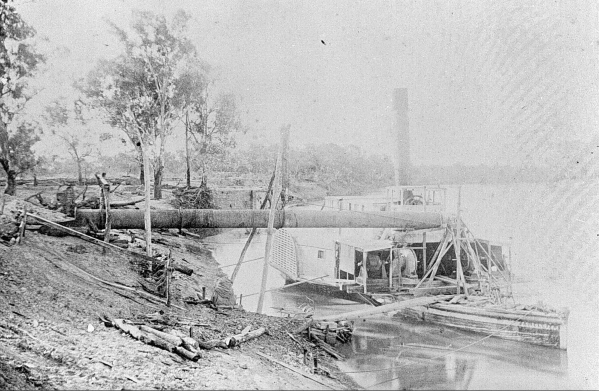
In 1887, the Chaffey Brothers established the Mildura Irrigation Colony along the banks of the Murray River, heralding the dawn of a new era in Australian agriculture. Through a network of channels and levees, they diverted the river’s waters, channeling them to thirsty crops and thirsty lands alike. The results were nothing short of miraculous. Barren plains gave way to verdant fields, and once struggling settlements flourished amidst the abundance brought forth by the Chaffey’s ingenuity.

The significance of the Chaffey Brothers’ endeavor extends far beyond the realm of agriculture. Their pioneering efforts ushered in a period of unprecedented growth and prosperity in the region, attracting settlers from far and wide in search of opportunity and fortune. Towns sprung up along the riverbanks, bustling hubs of commerce and industry fueled by the fertile bounty of the land.

Moreover, the Chaffey Brothers’ legacy endures in the very fabric of Australian society. The principles of irrigation they championed have become ingrained in the nation’s agricultural practices, fostering productivity and sustainability in an ever-changing landscape. Today, the Murray-Darling Basin, of which the Murray River is a vital component, remains the lifeblood of Australian agriculture, supporting a myriad of industries and livelihoods across its vast expanse.

However, the story of the Murray River is not without its challenges. As Australia grapples with the realities of climate change and environmental degradation, the river faces threats to its health and vitality. Droughts, salinity, and over-extraction of water pose significant risks to the delicate balance of this ecosystem, necessitating careful stewardship and conservation efforts to ensure its preservation for future generations.

In conclusion, the introduction of irrigation by the Chaffey Brothers on the Murray River in 1887 marked a pivotal moment in Australian history, catalyzing a transformation that reverberates to this day. Their vision and innovation not only unlocked the agricultural potential of the region but also laid the groundwork for the nation’s economic prosperity. As the Murray River continues to flow, it serves as a reminder of the enduring legacy of those who dared to dream, and the profound impact they had on the landscape of a nation.

Unveiling the Foundation: Brisbane – Moreton Bay Penal Settlement of 1825

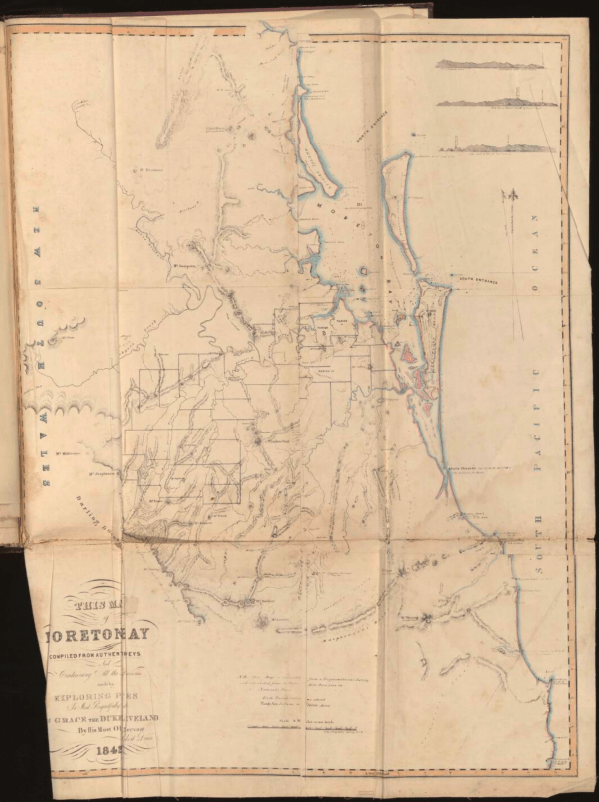
In the annals of Australian history, there exists a significant chapter that marks the foundation of Brisbane, the capital city of Queensland. This chapter, etched in the year 1825, witnessed the establishment of the Moreton Bay convict settlement, a pivotal moment that shaped the trajectory of both the region and the nation as a whole. Delving into the depths of this historical event unveils not only the origins of one of Australia’s most vibrant cities but also sheds light on the complexities of colonialism, penal practices, and the enduring resilience of the human spirit.

The establishment of the Moreton Bay Penal Settlement was born out of a need for expanding British colonial influence in the Australian continent. At the time, the British government faced a conundrum concerning the management of convicts, exacerbated by overcrowding in existing settlements such as Sydney. Thus, the decision was made to establish a new outpost in the vast expanse of what is now known as Queensland.

On September 2, 1824, under the command of Captain Henry Miller, the brig Amity arrived at Redcliffe, marking the first official European settlement in the area. However, it was not until the following year, on September 13, 1825, that Lieutenant Henry Miller, along with a small contingent of soldiers, officially founded the Moreton Bay convict settlement on the banks of the Brisbane River. This event laid the groundwork for what would eventually evolve into the bustling metropolis of Brisbane.

The significance of the Moreton Bay Penal Settlement in Australian history cannot be overstated. Firstly, it served as a crucial cog in the British colonial machine, extending their dominion over vast swathes of land previously inhabited by Indigenous peoples for millennia. The establishment of such settlements not only facilitated the exploitation of natural resources but also laid the groundwork for the imposition of European societal norms and structures upon the indigenous populations.

Moreover, the Moreton Bay settlement played a pivotal role in the broader context of the convict system in Australia. As a penal colony, it served as a place of punishment and rehabilitation for convicts transported from Britain and Ireland. The harsh conditions endured by these individuals, coupled with the forced labor they were subjected to, left an indelible mark on the collective psyche of the nation. Yet, despite the hardships they faced, many convicts exhibited remarkable resilience, contributing to the development of the fledgling colony through their labor and ingenuity.

Furthermore, the establishment of the Moreton Bay Penal Settlement laid the foundation for the future development of Brisbane as a thriving urban center. Over the years, the settlement evolved into a bustling hub of commerce, culture, and innovation, attracting settlers from far and wide. The legacy of those early pioneers, both convict and free, is evident in the rich tapestry of heritage that permeates the city to this day.

However, it is crucial to acknowledge the darker aspects of this history, including the displacement and mistreatment of Indigenous peoples, whose land was forcibly colonized and whose culture was marginalized in the process. The story of Brisbane’s founding is not solely one of triumph and progress but also one of struggle and resilience in the face of adversity.

In conclusion, the founding of the Moreton Bay Penal Settlement in 1825 stands as a seminal moment in Australian history, marking the birth of one of the nation’s most iconic cities. Its significance lies not only in its role as a colonial outpost but also in its contribution to the broader narrative of convictism and nation-building in Australia. As we reflect on this historical milestone, it is imperative that we strive to understand the complexities of our past and honor the diverse voices that have shaped the course of our shared history.

Unveiling the Foundation: The 1816 Rum Hospital and Its Enduring Impact on Australian Healthcare

In Australia’s history, few landmarks stand as testament to the nation’s journey quite like the 1816 Rum Hospital. Nestled in the heart of Sydney, this edifice marked not just the advent of public healthcare in the colony but also heralded a transformative chapter in the evolution of Australia’s societal fabric. As we delve into the significance of this venerable institution, we unearth a narrative rich in resilience, innovation, and the relentless pursuit of public welfare.

The Genesis of a Vision

The genesis of the Rum Hospital can be traced back to the convicts’ arduous journey to Australia’s shores and the pressing need for medical care in the burgeoning colony. At a time when healthcare was a luxury afforded only to the privileged few, Governor Lachlan Macquarie envisioned an institution that would cater to the health needs of all, regardless of social standing. Thus, in 1810, the construction of the hospital commenced under the supervision of famed architect Francis Greenway, himself a former convict turned visionary architect.

A Beacon of Hope Amidst Adversity

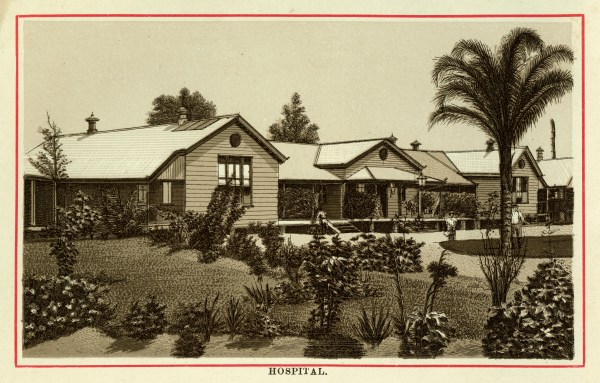
The completion of the Rum Hospital in 1816 marked a turning point in Australian healthcare, offering a beacon of hope amidst the harsh realities of colonial life. With its imposing sandstone façade and state-of-the-art facilities, the hospital symbolized a commitment to the well-being of every resident, irrespective of their background. From treating ailments common among convicts to providing sanctuary for the destitute, the Rum Hospital emerged as a cornerstone of compassion and care in a land fraught with uncertainty.

Pioneering Healthcare Innovation

Beyond its architectural grandeur, the Rum Hospital was a hotbed of medical innovation, pioneering treatments and techniques that would shape the trajectory of Australian healthcare. Under the stewardship of dedicated physicians and surgeons, the institution became synonymous with excellence in medical education and research. From the development of groundbreaking surgical procedures to the implementation of public health initiatives, the hospital’s legacy reverberated far beyond its sandstone walls, laying the groundwork for a robust healthcare system.

A Catalyst for Social Change

The significance of the Rum Hospital extends beyond its medical prowess, serving as a catalyst for social change in colonial Australia. By democratizing access to healthcare, the institution challenged entrenched class divisions and fostered a sense of community solidarity. Patients from all walks of life found solace within its wards, forging bonds that transcended societal barriers. Moreover, the hospital’s inclusive ethos set a precedent for future endeavors in public welfare, inspiring generations to strive for a more equitable society.

Legacy and Continuity

Though the Rum Hospital ceased operations in the late 19th century, its legacy endures as a testament to the resilience and vision of those who dared to dream of a better future. Today, the site serves as a heritage precinct, preserving the rich tapestry of Australia’s past for future generations to behold. Moreover, the values embodied by the hospital – compassion, inclusivity, and innovation – continue to shape the ethos of contemporary healthcare in Australia, reminding us of the enduring power of collective action in pursuit of the common good.

Conclusion

In commemorating the legacy of the 1816 Rum Hospital, we pay homage to a pivotal moment in Australian history – a moment that encapsulates the nation’s journey from adversity to triumph. As we reflect on the institution’s significance, let us not only celebrate its architectural splendor but also honor the enduring ideals of compassion and equity that it represents. For in the hallowed halls of the Rum Hospital, we find not just a relic of the past, but a guiding light illuminating the path towards a healthier, more inclusive future for all Australians.

Unearthing Australia’s Riches: The Legacy of Broken Hill’s Silver, Lead, and Zinc Mines

In the rugged outback of New South Wales, amidst the dusty plains and the relentless Australian sun, lies a place of immense historical significance: Broken Hill. This remote town, nestled in the heart of the Australian bush, holds within its soil a treasure trove of silver, lead, and zinc. Its story is not just one of mineral wealth but of resilience, innovation, and the shaping of a nation’s destiny.

The year was 1885 when the Broken Hill Proprietary Company Limited (BHP) began its mining operations in this desolate yet resource-rich landscape. With an initial output of 1,1885 bhp (break horsepower), the mines quickly became a beacon of industrial progress in Australia. The discovery of vast deposits of silver, lead, and zinc transformed Broken Hill into one of the world’s largest mining hubs, attracting a wave of fortune seekers and laborers from far and wide.

The significance of Broken Hill in Australian history cannot be overstated. At a time when the nation was still in its infancy, the wealth generated by the mines played a pivotal role in driving economic growth and development. It fueled the expansion of infrastructure, the establishment of towns and cities, and the emergence of a thriving industrial sector. Moreover, the influx of migrants, drawn by the promise of prosperity, contributed to the cultural diversity and dynamism that define modern Australia.

But the legacy of Broken Hill extends far beyond its historical roots. Despite facing numerous challenges over the decades, including fluctuating commodity prices, environmental concerns, and shifts in global markets, the mines continue to play a vital role in Australia’s economy.

Today, Broken Hill remains a cornerstone of the country’s mining industry, producing a significant portion of Australia’s silver, lead, and zinc. The minerals extracted from its depths are essential components in various sectors, from manufacturing and construction to renewable energy and technology. Moreover, they contribute billions of dollars to the national economy and support thousands of jobs across the country.

Yet, the significance of Broken Hill goes beyond its economic contributions. It stands as a testament to the ingenuity and resilience of the Australian people. Despite the harshness of the environment and the challenges of extracting resources from deep underground, the men and women who work in the mines continue to demonstrate their dedication and skill, ensuring that Broken Hill remains a vital cog in the nation’s industrial machinery.

Photo by Tom Fisk on Pexels.com

Furthermore, the mining industry in Broken Hill has embraced technological innovation and sustainability practices, striving to minimize its environmental footprint and maximize efficiency. From advanced drilling techniques to state-of-the-art processing facilities, these efforts not only ensure the long-term viability of the mines but also reinforce Australia’s commitment to responsible resource development.

In conclusion, the story of Broken Hill’s silver, lead, and zinc mines is a quintessential chapter in the narrative of Australia’s history and economic development. From humble beginnings in 1885 to the present day, these mines have endured challenges and setbacks, yet they remain a symbol of resilience, innovation, and the enduring spirit of the Australian people. As long as the minerals continue to flow from its depths, Broken Hill will remain a shining example of the nation’s rich natural resources and the boundless potential they hold for future generations.

Blog at WordPress.com.

Up ↑