
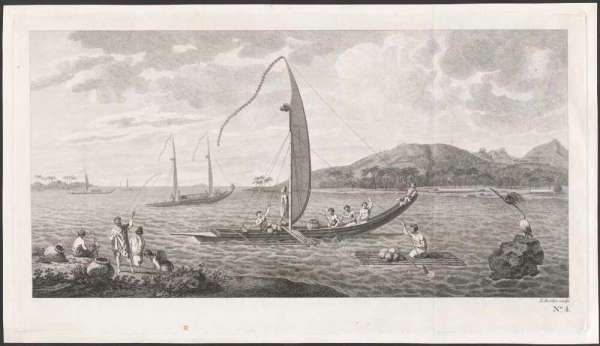
In the late 19th century, the picturesque coastal town of Broome, nestled in Western Australia, witnessed a significant influx of Japanese pearl divers. This event not only reshaped the economic landscape of the region but also left an indelible mark on the multicultural fabric of Australia. The arrival of Japanese pearl divers in Broome serves as a poignant chapter in Australian history, highlighting the profound impact of cultural exchange and collaboration.
At the heart of this narrative lies the booming pearling industry that propelled Broome into prominence during the late 1800s. With its pristine waters teeming with valuable pearl oysters, Broome became a magnet for adventurous individuals seeking fortune beneath the waves. Among these seekers were Japanese divers, drawn to the promise of lucrative opportunities in the pearl-rich waters of northwestern Australia.
The arrival of Japanese pearl divers brought with it a fusion of cultures, as they integrated seamlessly into the vibrant tapestry of Broome’s diverse community. Despite initial language and cultural barriers, these divers quickly established themselves as integral members of the pearling workforce, contributing their expertise and skills to the burgeoning industry. Through shared experiences and mutual respect, bonds of friendship and camaraderie transcended cultural differences, fostering a spirit of cooperation and unity among Broome’s residents.
One cannot underestimate the significance of Japanese contributions to Broome’s pearling industry. Their unparalleled diving prowess and meticulous attention to detail revolutionized pearl harvesting techniques, elevating Broome to the forefront of the global pearl trade. With their arrival, the town witnessed a period of unprecedented prosperity, as pearl exports flourished, fueling economic growth and prosperity throughout the region.
However, the legacy of Japanese pearl divers extends far beyond economic prosperity. Their presence catalyzed a cultural exchange that enriched the social fabric of Broome and challenged prevailing notions of identity and belonging in Australian society. In an era marked by racial tensions and discriminatory practices, the acceptance and integration of Japanese immigrants served as a beacon of inclusivity and tolerance, paving the way for a more multicultural Australia.
Moreover, the enduring legacy of Japanese pearl divers is evident in the enduring traditions and customs that continue to permeate Broome’s cultural landscape. From culinary delights such as sushi and sashimi to the annual Shinju Matsuri (Japanese Festival of the Pearl), Japanese influences are woven into the fabric of everyday life in Broome, serving as a testament to the enduring bonds forged between cultures.
The significance of the Japanese presence in Broome extends beyond mere historical footnote; it serves as a poignant reminder of the transformative power of cultural exchange and collaboration. In celebrating the contributions of Japanese pearl divers, we not only honor their legacy but also reaffirm our commitment to fostering a more inclusive and diverse society.
In conclusion, the arrival of Japanese pearl divers in Broome during the late 19th century represents a pivotal moment in Australian history, marking the convergence of cultures and the birth of a multicultural community. Their contributions to the pearling industry and the social fabric of Broome endure as a testament to the enduring legacy of cultural diversity and mutual respect. As we reflect on this chapter of history, let us celebrate the richness of our shared heritage and embrace the lessons of tolerance and acceptance embodied by the Japanese pioneers of Broome.
 History Class Australia