The Birth of South Australia: A Landmark in Australian History

The establishment of South Australia in 1836, not only marked the birth of a new colony but also laid the foundation for the vibrant city of Adelaide, which would go on to become one of Australia’s most important cultural and economic hubs. Let’s delve into the significance of this event and explore its backstory.

The early 19th century was a time of rapid expansion and exploration in the British Empire. As the British sought to assert their influence in distant lands, the concept of colonization took root, driven by a mix of economic interests, strategic considerations, and a desire to spread British civilization. Australia, with its vast, untamed landscapes, presented an enticing prospect for colonization.

Prior to the establishment of South Australia, the eastern seaboard of Australia had already been settled by British colonists, most notably in New South Wales and Tasmania. However, the interior of the continent remained largely unexplored and uninhabited by Europeans. It was against this backdrop that the idea of establishing a new colony in South Australia gained traction.

Edward Gibbon Wakefield; a photographic reproduction of an engraving showing Edward Wakefield sitting in a chair with two dogs resting beside him: Approximately 1840

One of the key figures behind the establishment of South Australia was Edward Gibbon Wakefield, a British politician and social reformer. Wakefield’s vision was to create a more orderly and planned approach to colonization, one that would avoid the pitfalls of previous endeavors. Central to his plan was the concept of systematic colonization, whereby land would be sold at a moderate price to settlers, with the proceeds used to fund the transportation of laborers and the development of infrastructure.

In 1834, the South Australian Colonization Act was passed by the British Parliament, paving the way for the establishment of the colony. Two years later, on December 28, 1836, South Australia was officially proclaimed, with Adelaide designated as its capital. The choice of Adelaide as the capital was no accident; its strategic location near the mouth of the River Torrens made it an ideal site for a new settlement.

The establishment of South Australia had far-reaching implications for the region and for Australia as a whole. Unlike previous colonies, which had been founded as convict settlements, South Australia was intended to be a free colony, attracting migrants from Britain and beyond with the promise of land and opportunity. This emphasis on free settlement would shape the character of South Australia and set it apart from its counterparts.

One of the most significant aspects of the South Australian experiment was its approach to land distribution. Instead of granting vast tracts of land to wealthy landowners, the colonial government implemented a system of land surveys and auctions, allowing ordinary settlers to purchase small parcels of land at an affordable price. This egalitarian approach democratized land ownership and fostered a strong sense of community among the early settlers.

Photo by Catarina Sousa on Pexels.com

Another key aspect of South Australia’s development was its commitment to public welfare and social reform. From the outset, the colony placed a strong emphasis on education, with the establishment of schools and libraries to promote literacy and learning. Efforts were also made to ensure the fair treatment of indigenous peoples, although these efforts were not always successful.

Over the years, Adelaide grew and prospered, becoming known for its wide streets, parklands, and elegant architecture. The city became a magnet for immigrants, drawn by the promise of a better life in the new colony. By the mid-19th century, South Australia had established itself as a thriving agricultural and commercial center, exporting wool, wheat, and minerals to markets around the world.

In conclusion, the establishment of South Australia in 1836 was a landmark event in Australian history, marking the beginning of a new chapter in the colonization of the continent. Through careful planning and innovative policies, the founders of South Australia laid the groundwork for a prosperous and progressive society, one that would leave an indelible mark on the history of Australia. Today, the legacy of South Australia lives on, as Adelaide continues to thrive as a dynamic and cosmopolitan city, reflecting the spirit of enterprise and innovation that has always defined the colony.


Unveiling Australia’s Western Frontier: The Birth of Swan River Colony

In the pages of Australian history, certain milestones stand as testament to the nation’s rich tapestry of colonization, culture, and heritage. Among these, the establishment of the Swan River Colony, later known as Perth, in 1829 holds a significant place. This pivotal event not only marked the dawn of European settlement in Western Australia but also set the stage for the transformation of an untamed frontier into a thriving urban center. Let’s delve into the backstory and significance of this momentous occasion.

The Backstory: The early 19th century was an era marked by the expansionist ambitions of European powers, eager to explore and exploit new territories across the globe. Australia, with its vast and uncharted lands, beckoned as a promising frontier for British colonization. By the late 1820s, the British government had already established settlements in the eastern part of the continent, notably Sydney and Hobart. However, the vast expanse of Western Australia remained largely uncharted and uninhabited by European settlers.

Enter Captain James Stirling, a visionary naval officer tasked with the exploration and surveying of Australia’s western coastline. Intrigued by the fertile lands and natural beauty of the Swan River region, Stirling saw great potential for establishing a new colony that could serve as a strategic outpost and agricultural hub. With the support of influential backers in Britain, including the Colonial Office and the Western Australian Land Company, Stirling embarked on a mission to realize his ambitious vision.

Captain James Stirling, R.N. Lieutenant-Governor of the Swan River colony, 1828-32

The Establishment of Swan River Colony: On 2nd May 1829, the HMS Parmelia, under the command of Captain Stirling, anchored off the shores of the Swan River, heralding the formal establishment of the Swan River Colony. With a diverse group of settlers onboard, including farmers, tradesmen, and skilled laborers, the fledgling colony began to take shape on the pristine shores of what would later become Perth.

The significance of this event cannot be overstated. For the first time, European settlers established a permanent foothold in Western Australia, marking the beginning of a new chapter in the region’s history. The fertile soils and temperate climate of the Swan River valley promised abundant opportunities for agriculture and settlement, attracting pioneers from across the British Empire.

Challenges and Triumphs: However, the journey towards building a prosperous colony was fraught with challenges. The initial years were marked by hardship, as settlers grappled with unfamiliar terrain, hostile indigenous resistance, and logistical difficulties. The failure of early agricultural ventures, coupled with the absence of adequate infrastructure, threatened to undermine the viability of the fledgling settlement.

Yet, despite these setbacks, the resilience and determination of the early colonists prevailed. Through perseverance and ingenuity, they gradually overcame adversity, establishing farms, businesses, and institutions that laid the foundation for future growth and prosperity. The establishment of Perth as the colony’s capital in 1829 further bolstered its significance as a focal point of economic and administrative activity in Western Australia.

Photo by Nothing Ahead on Pexels.com

Legacy and Impact: The legacy of the Swan River Colony endures to this day, shaping the cultural, economic, and social landscape of modern Australia. The pioneering spirit of its early settlers laid the groundwork for the development of Western Australia into a vibrant and dynamic state, renowned for its natural beauty, resource abundance, and entrepreneurial spirit.

Moreover, the establishment of Perth as a major urban center has positioned Western Australia as a key player in the nation’s economic trajectory, contributing significantly to industries such as mining, agriculture, and tourism. The multicultural fabric of contemporary Perth reflects the diverse heritage of its early settlers, fostering a rich tapestry of traditions, cuisines, and customs.

Conclusion: In retrospect, the founding of the Swan River Colony in 1829 stands as a testament to the spirit of exploration, enterprise, and resilience that defines the Australian identity. From humble beginnings on the shores of the Swan River, Perth has emerged as a vibrant metropolis, symbolizing the enduring legacy of those who dared to venture into the unknown. As we commemorate this historic milestone, let us celebrate the courage and vision of those who paved the way for a brighter future in Australia’s western frontier.

Unearthing Justice: The Significance of the 1856 Eureka Rebellion in Australian History

In the annals of Australian history, the Eureka Rebellion of 1856 stands as a pivotal moment, a testament to the struggle for justice and the fight against oppressive systems. Nestled in the goldfields of Ballarat, Victoria, this uprising marked a turning point in the nation’s journey towards democracy and fair governance. Let’s delve into the events leading up to the rebellion, its significance, and the lasting legacy it has left on Australia.

To truly understand the significance of the Eureka Rebellion, one must grasp the context in which it unfolded. In the mid-19th century, Australia was in the throes of a gold rush, drawing thousands of hopeful prospectors to its shores in search of fortune. Ballarat, with its rich deposits of gold, emerged as a bustling hub of activity, attracting miners from far and wide.

However, beneath the glittering surface lay a harsh reality. The miners toiled under oppressive conditions, subject to exorbitant licensing fees, arbitrary regulations, and scant representation in the colonial government. The grievances simmered as frustrations mounted, eventually reaching a boiling point.

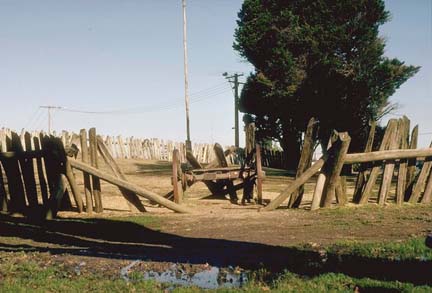
Eureka Rebellion Historic Precinct: Dept of Environment and Heritage

The catalyst for the rebellion came in the form of the Gold Fields Act of 1855, which imposed a monthly licensing fee on miners, regardless of their success in finding gold. This burden fell disproportionately on the poorer prospectors, many of whom struggled to make ends meet.

As tensions escalated, so too did the calls for reform. The miners organized themselves, forming the Ballarat Reform League to advocate for their rights. Demands for fairer treatment, representation in government, and the abolition of the despised license fees reverberated throughout the goldfields.

On the fateful morning of December 3, 1854, the simmering discontent erupted into open rebellion. The authorities, fearing an uprising, moved to quell the unrest, leading to a confrontation at the Eureka Stockade. In the ensuing chaos, shots were fired, and lives were lost on both sides.

Though short-lived, the rebellion sent shockwaves across the colony and reverberated throughout the British Empire. The miners’ stand for justice and their willingness to sacrifice for their cause captured the imagination of the nation, galvanizing support for their plight.

In the aftermath of the rebellion, the government launched a crackdown, rounding up the ringleaders and suppressing dissent. However, the spirit of Eureka lived on, fueling calls for reform and ultimately leading to significant changes in the governance of the colony.

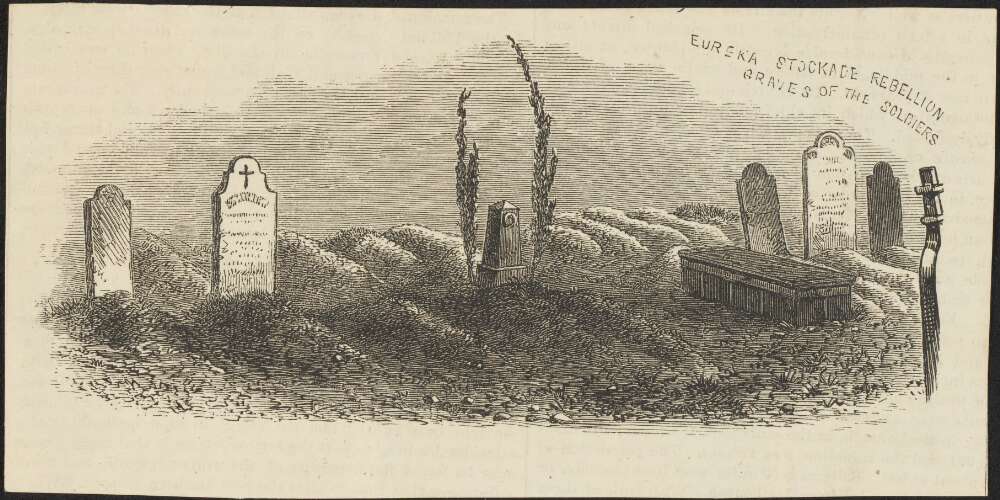
Eureka Stockade rebellion, graves of the soldiers Retrieved March 4, 2024

The legacy of the rebellion is profound, shaping the course of Australian history in myriad ways. It paved the way for greater democratic participation, leading to the introduction of universal male suffrage and a more representative government. The principles of fairness, equality, and justice enshrined in the Eureka oath continue to resonate with Australians to this day.

The Eureka Rebellion of 1856 remains a defining moment in Australian history, a testament to the power of ordinary people to challenge injustice and demand change. It serves as a reminder of the enduring struggle for freedom and democracy, inspiring generations to come to uphold the values of fairness, equality, and justice. As we reflect on its significance, let us honor the memory of those who stood tall at Eureka and reaffirm our commitment to building a better, more just society for all.

Remembering the March 4, 1899 Cyclone: Queensland’s Devastating Wake-Up Call

March 4, 1899, marked a tragic day in Queensland’s history. A ferocious cyclone, later known as the Mahina Cyclone, unleashed its fury upon Bathurst Bay, leaving behind a trail of destruction and claiming over 300 lives. As we reflect on this catastrophic event, we’re reminded not only of its significance in history but also of the enduring issues surrounding cyclones and our evolving approach to disaster preparedness.

The Mahina Cyclone, named after the Aboriginal word for “moon,” struck with unprecedented force, catching the unsuspecting residents of Bathurst Bay off guard. With wind speeds exceeding 200 kilometers per hour and a storm surge that inundated coastal settlements, the cyclone wreaked havoc on everything in its path. Entire communities were swept away, leaving behind a scene of unimaginable devastation.

Photo by Guilherme Christmann on Pexels.com

he Mahina Cyclone remains etched in Queensland’s history as one of the deadliest natural disasters to ever hit the region. Its sheer magnitude and the staggering loss of life serve as a stark reminder of the destructive power of cyclones and the importance of adequate preparedness measures. The event prompted a reassessment of cyclone forecasting and warning systems, leading to advancements in meteorological technology and disaster response strategies.

Despite the progress made in cyclone preparedness over the years, we continue to face significant challenges in mitigating the impact of these devastating storms. Climate change has contributed to the intensification of cyclones, making them more frequent and unpredictable. Coastal development and population growth have also increased the vulnerability of communities to storm surges and flooding.

Moreover, socio-economic factors often exacerbate the effects of cyclones, with marginalized communities bearing the brunt of the damage. Limited access to resources, inadequate infrastructure, and a lack of awareness about evacuation procedures further compound the challenges faced during cyclone events.

In the wake of the Mahina Cyclone and subsequent disasters, there has been a concerted effort to improve cyclone preparedness and response mechanisms. Government agencies, meteorological organizations, and community groups have collaborated to develop comprehensive disaster management plans tailored to the unique needs of cyclone-prone regions.

Advancements in technology, such as satellite imagery and computer modeling, have revolutionized cyclone forecasting, providing more accurate predictions and longer lead times for evacuation efforts. Early warning systems and public education campaigns have also played a crucial role in raising awareness and promoting proactive measures to safeguard lives and property.

Community resilience has emerged as a cornerstone of cyclone preparedness, with emphasis placed on building stronger, more resilient infrastructure and fostering a culture of disaster readiness. Local communities are encouraged to develop their own disaster management plans, establish evacuation routes, and stockpile emergency supplies to ensure they can weather the storm.

Photo by Kelly on Pexels.com

As we commemorate the anniversary of the Mahina Cyclone, we must acknowledge the progress that has been made in cyclone preparedness while remaining vigilant in the face of future threats. Climate change continues to pose significant challenges, requiring ongoing adaptation and mitigation efforts to minimize the impact of cyclones on vulnerable communities.

By learning from the lessons of the past and embracing innovative solutions, we can better equip ourselves to confront the challenges posed by cyclones and build more resilient communities for generations to come. The legacy of the Mahina Cyclone serves as a poignant reminder of the importance of unity, resilience, and preparedness in the face of nature’s most formidable forces.

The Last Stand of Pemulwuy: A Legacy of Resistance in Australian History

In the early light of an Australian dawn in the year 1802, amidst the eucalyptus trees and the whispering winds of the land Down Under, a figure stood, his silhouette etched against the rising sun. His name was Pemulwuy, a warrior of the Bidjigal people, a man whose life had been woven into the fabric of resistance against colonial encroachment.

Pemulwuy’s story begins years before, in the shadow of another dawn, when the first ships of British settlers cast their gaze upon the shores of the ancient land. It was a time of upheaval, of clashes between cultures, and of a struggle for survival unlike any the land had ever seen. In 1797, Pemulwuy had been gravely wounded by a gunshot, yet he had defied death’s grasp, emerging from the brink of mortality with a fierce determination burning in his heart.

Despite his injury, Pemulwuy continued to lead his people in acts of defiance against the British . His name became synonymous with resistance, his exploits whispered around campfires and passed down through generations. But as the years wore on, the noose of colonial authority tightened, and Pemulwuy found himself hunted like a beast.

It was in the year 1802 that the final chapter of Pemulwuy’s saga unfolded. Cornered by British forces, he stood tall, his eyes blazing with defiance, as the crack of gunfire echoed through the air. In that moment, a legend fell, his spirit ascending to join the ranks of the ancestors, leaving behind a legacy that would endure far beyond his mortal years.

The significance of Pemulwuy’s life and death reverberates through the annals of Australian history, casting a long shadow over the nation’s past and present. His story serves as a reminder of the resilience and strength of Indigenous peoples in the face of colonization, a testament to the enduring spirit of resistance that courses through the veins of the land.

Pemulwuy’s defiance paved the way for future generations of Indigenous leaders and activists, inspiring them to stand up against injustice and to reclaim their rightful place as custodians of the land. His name serves as a rallying cry for those who seek justice and reconciliation, a symbol of hope in a landscape scarred by centuries of oppression.

But perhaps most importantly, Pemulwuy’s legacy challenges us to confront the darker chapters of our nation’s history, to acknowledge the injustices of the past, and to work towards a future built on mutual respect and understanding. His story is not just a tale of resistance, but a call to action, urging us to strive for a more equitable and inclusive society for all who call Australia home.

As the sun sets on another day in the vast expanse of the Australian wilderness, Pemulwuy’s spirit lives on, his memory etched into the very fabric of the land itself. And though he may have fallen in battle, his legacy endures, a beacon of hope and inspiration for generations yet to come.

Prince Alfred’s Historic Visit: A Landmark in Australian History

On the crisp morning of October 31, 1867, the shores of Adelaide, Australia, witnessed a spectacle unlike any before. Amidst the cheers and fervor of a burgeoning nation, Prince Alfred, the second eldest son of Queen Victoria, stepped onto Australian soil, marking a pivotal moment in history. His arrival heralded the beginning of a new era, not only for the colony of South Australia but for the entire continent.

The journey of Prince Alfred to Australia was more than just a royal visit; it was a symbol of the growing ties between the British Empire and its distant colonies. As the first member of the British royal family to set foot on Australian shores, his arrival sparked immense excitement and anticipation among the populace. The mere presence of a royal figure on Australian soil symbolized recognition and validation of the colony’s progress and potential.

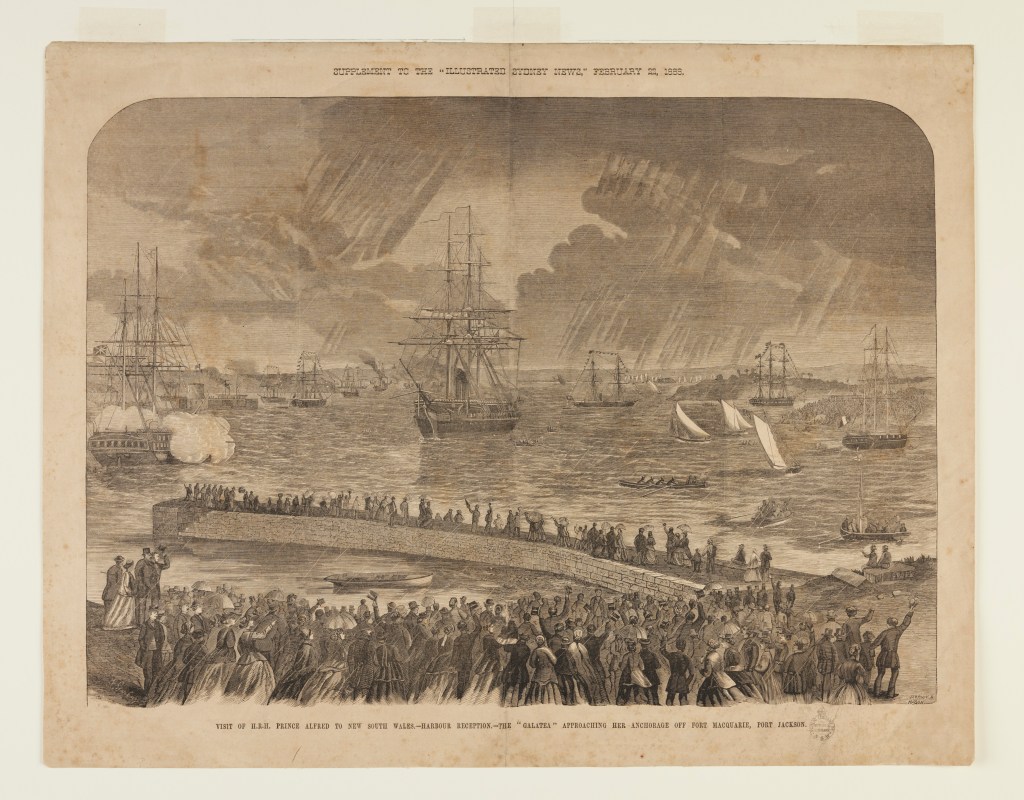
The journey itself was no small feat. Prince Alfred embarked on a long and arduous voyage across the vast expanse of the Southern Hemisphere, navigating treacherous waters and enduring the rigors of sea travel. His ship, HMS Galatea, embarked on a journey spanning thousands of miles, braving the unpredictable elements of the open ocean. Yet, despite the challenges, the prince’s determination to reach his destination remained unwavering.

Upon his arrival in Adelaide, Prince Alfred was greeted with an outpouring of enthusiasm and adulation. Throngs of people lined the streets, eager to catch a glimpse of the royal visitor and extend their warmest welcome. The atmosphere was electric, as the entire city came alive with festivities and celebrations in honor of their distinguished guest.

The significance of Prince Alfred’s visit extended far beyond the pomp and ceremony of royal protocol. It represented a turning point in Australian history, marking the beginning of a closer relationship between the mother country and its far-flung colonies. His presence served to strengthen ties between Britain and Australia, fostering a sense of unity and belonging among the inhabitants of the fledgling nation.

Prince Alfred visits Prince Alfred College, 1882

Moreover, Prince Alfred’s visit had a profound impact on the cultural and social fabric of Australian society. It provided a platform for the expression of national identity and pride, as Australians reveled in the opportunity to showcase their unique heritage and traditions to the world. The visit also helped to foster a sense of national consciousness, as citizens across the continent rallied around the common cause of building a prosperous and unified nation.

In retrospect, Prince Alfred’s historic visit to Australia remains etched in time as a landmark moment in the nation’s history. It served as a catalyst for change, inspiring future generations to strive for greatness and embrace the opportunities that lay ahead. As we reflect on this momentous occasion, we are reminded of the enduring bonds that connect Australia to its colonial past and the promising future that lies on the horizon.

Van Diemen’s Land: From Penal Colony to Independent Territory

Van Diemen’s Land, known today as Tasmania, holds a significant place in history. Its transformation from a brutal penal settlement to an independent colony in 1825 marked a pivotal moment in the nation’s narrative. This article delves into the events surrounding this transition and explores its enduring significance.

an Diemen’s Land began as a harsh penal colony established by the British Empire in 1803. Its remote location, separated from mainland Australia by the treacherous Bass Strait, made it an ideal site for housing the most hardened of convicts. However, as the settlement grew, so did the need for governance beyond mere penal management.

The year 1825 marked a turning point for Van Diemen’s Land. On the 3rd of December, the colony was officially separated from New South Wales, gaining its own independent administration. This move came as a response to the increasing population and economic activity in the region, signaling a recognition of its growing importance within the British Empire.

With its newfound status as an independent colony, Van Diemen’s Land embarked on a journey of self-discovery and development. The influx of free settlers and the establishment of industries such as agriculture and mining transformed the colony’s economy. Towns sprang up, and infrastructure projects were initiated to connect the burgeoning communities.

However, this period also saw the dark shadow of conflict cast over the land. The dispossession of Indigenous peoples from their traditional lands and the violent clashes that ensued marred the colony’s history. The Black War, a series of conflicts between settlers and Indigenous Tasmanians, culminated in widespread bloodshed and the tragic loss of lives.

The transition of Van Diemen’s Land to an independent colony holds immense significance in Australian history for several reasons. Firstly, it marked a crucial step towards the eventual formation of the Australian nation. The establishment of self-governing colonies laid the groundwork for the federation of Australia in 1901.

Photo by Kathryn Archibald on Pexels.com

Moreover, Van Diemen’s Land serves as a poignant reminder of the complexities and injustices of Australia’s colonial past. The scars of its convict history and the frontier violence against Indigenous peoples continue to shape the nation’s identity and ongoing reconciliation efforts.

In the span of just a few decades, Van Diemen’s Land evolved from a distant penal outpost to a thriving independent colony. Its journey reflects the broader trajectory of Australian history, marked by resilience, struggle, and transformation. By understanding and acknowledging this history, we honor the diverse experiences that have shaped the nation we know today.

Unearthing Riches: The NSW and Victoria Gold Rushes of 1851

In the annals of Australian history, few events have left as indelible a mark as the gold rushes of the mid-19th century. Beginning in 1851, these frenzied quests for riches transformed the colonies of New South Wales (NSW) and Victoria, reshaping their landscapes, societies, and economies. Let’s delve into the significance of these gold rushes and their enduring impact on Australian history.

The NSW Gold Rush:

While NSW was not the epicenter of the gold rush phenomenon, it played a crucial role in sparking the frenzy. In February 1851, Edward Hargraves discovered gold near Bathurst, igniting excitement and triggering a rush of prospectors to the region. This discovery marked the beginning of Australia’s first gold rush.

The significance of the NSW gold rush lay not only in the precious metal unearthed but also in its role as a catalyst for the broader Australian gold rushes. Hargraves’ find demonstrated that Australia held vast untapped reserves of gold, inspiring prospectors to venture further afield in search of fortune.

The Victorian Gold Rush:

However, it was Victoria that would become the epicenter of the gold rush phenomenon, surpassing NSW in both scale and significance. In July 1851, gold was discovered in the streams near Clunes, sparking a rush that would transform the remote colony into a thriving hub of activity.

Victoria’s gold rush was characterized by its sheer magnitude. The discovery of rich gold deposits in Ballarat, Bendigo, and other areas drew fortune-seekers from across the globe, swelling the colony’s population and propelling it into economic prominence. The influx of migrants, including many from China, brought cultural diversity and contributed to the shaping of modern Australian society.

GABENSIS, NEW GUINEA, 1944-03-02. NG2464 WARRANT OFFICER II, HENRY J. O’KENE, AUSTRALIAN NEW GUINEA ADMINISTRATIVE UNIT REPRESENTATIVE AT GABENSIS, (1), A FORMER MINER IN THE GOLD RUSH 

Significance in Australian History:

The gold rushes of NSW and Victoria were pivotal moments in Australian history, leaving a profound and lasting impact on the nation. Here’s why they are considered significant:

  1. Economic Transformation: The gold rushes propelled Australia from a remote colonial outpost to a prosperous nation almost overnight. The influx of gold brought immense wealth, driving economic growth, infrastructure development, and urbanization.
  2. Population Growth and Diversity: The gold rushes triggered unprecedented population growth as people from all walks of life flocked to the goldfields in search of fortune. This influx of migrants, including Europeans, Americans, and Chinese immigrants, contributed to the cultural diversity that defines modern Australia.
  3. Political and Social Change: The gold rushes brought about significant political and social changes. The newfound wealth and population growth led to demands for greater autonomy and representation, ultimately paving the way for the democratization of the colonies and the eventual formation of the Australian nation.
  4. Environmental Impact: The gold rushes had profound environmental consequences, with widespread deforestation, erosion, and pollution resulting from mining activities. These environmental legacies continue to be felt today, underscoring the importance of sustainable resource management.

In conclusion, the gold rushes of NSW and Victoria were watershed moments in Australian history, shaping the nation’s identity, economy, and society in profound ways. Their legacy endures as a testament to the pioneering spirit and resilience of those who sought their fortunes in the rugged landscapes of the Australian colonies.

Watch this fantastic video from the national museum of Australia to learn more!

Australia’s First Coin: The Holey Dollar

In the history pages of currency, there are few tales as captivating as that of Australia’s first coin – the Holey Dollar. Dating back to the year 1814, this unique piece of currency holds within its perforated edges a story of colonial innovation, economic necessity, and the enduring spirit of adaptation.

The Colonial Conundrum

In the early 19th century, the British colony of New South Wales faced a pressing issue: a severe shortage of currency. With a growing population and thriving trade, the colony sorely lacked sufficient coinage to facilitate daily transactions. This scarcity led to a reliance on bartering and the use of diverse currencies, ranging from Spanish dollars to rum and even promissory notes.

Governor Lachlan Macquarie’s Solution

Governor Lachlan Macquarie, the visionary leader of New South Wales at the time, recognized the urgency of the situation. To address the currency shortage, he devised a bold plan – the transformation of Spanish silver dollars into two distinct coins: the Holey Dollar and the Dump.

The Birth of the Holey Dollar

The process began with the acquisition of Spanish dollars, which were then stamped with a circular hole in the center, effectively creating two coins – the larger outer ring, known as the Holey Dollar, and the smaller inner disc, referred to as the Dump. These coins were then counterstamped with the colony’s name, value, and year of issue.

Symbolism and Significance

The creation of the Holey Dollar symbolized more than just a pragmatic solution to a currency shortage; it represented the ingenuity and adaptability of the early settlers in Australia. By repurposing existing resources, Governor Macquarie effectively addressed a pressing economic need and laid the foundation for a more stable monetary system in the colony.

Legacy and Collectibility

Today, the Holey Dollar stands as a cherished relic of Australia’s colonial past. With its distinctive design and rich historical significance, it has become a prized collectible among numismatists and historians alike. The scarcity of these coins, coupled with their unique origin story, has contributed to their enduring allure and value.

Conclusion

The induction of Australia’s first coin, the Holey Dollar, in 1814, marked a pivotal moment in the nation’s economic history. Born out of necessity and innovation, this distinctive currency symbolizes the resilience and resourcefulness of early colonial settlers. As we reflect on its legacy, we are reminded of the enduring impact of ingenuity in the face of adversity and the power of creative solutions to shape the course of history.

The Crucible of War: Examining the Impact of Conscription in Australia During World War II

World War II stands as one of the most pivotal periods in human history, a time when the world was plunged into a maelstrom of conflict and chaos. As nations rallied their resources and citizens to the cause, Australia found itself deeply embroiled in the struggle against tyranny. With the spectre of conscription looming large, the nation faced a profound moral and societal reckoning. In this blog post, we delve into the impact of conscription in Australia during World War II, exploring its significance in shaping the nation’s history and the lives of its people.

The Stage is Set: In the aftermath of World War I, Australia, like many nations, grappled with the scars of conflict and the daunting prospect of yet another global conflagration. As tensions mounted across the world in the late 1930s, the spectre of war once again cast its shadow over the Australian continent. With the outbreak of World War II in 1939, Australia swiftly rallied to support its allies and defend its shores against the rising tide of fascism.

The Call to Arms: As the war intensified and the demand for manpower grew, the Australian government faced the daunting task of bolstering its military ranks. While voluntary enlistment initially met the need for soldiers, the escalating demands of the war soon outpaced recruitment efforts. In response, the government turned to conscription as a means of meeting its military obligations.

The Divisive Debate: The introduction of conscription sparked fierce debate and controversy across Australia. While some saw it as a necessary measure to ensure the nation’s survival, others viewed it as an infringement on personal liberties and a betrayal of democratic principles. The issue divided communities, families, and even political parties, laying bare the deep-seated tensions simmering beneath the surface of Australian society.

Impact on Society: Conscription had far-reaching effects on Australian society, reshaping communities and altering the fabric of everyday life. Families faced the heart-wrenching prospect of loved ones being called away to war, while those left behind grappled with the uncertainty and fear that accompanied their absence. The social and economic impacts of conscription were profound, with industries mobilizing for war production and women taking on new roles in the workforce to fill the void left by departing soldiers.

The Human Cost: Beyond the logistical and economic implications, conscription exacted a heavy toll on the individuals who bore its burden. Young men, many barely out of their teens, found themselves thrust into the crucible of war, facing untold horrors on distant battlefields. For some, conscription meant the ultimate sacrifice, as they laid down their lives in service to their country. For others, it left lasting scars, both physical and psychological, that would haunt them long after the guns fell silent.

Photo by Henry Han on Pexels.com

Legacy and Importance: The legacy of conscription in Australia during World War II looms large in the nation’s history, serving as a poignant reminder of the sacrifices made by past generations in defence of freedom and democracy. It remains a symbol of the resilience and determination of the Australian people in the face of adversity, and a testament to the enduring values that bind the nation together.

Conclusion: As we reflect on the impact of conscription in Australia during World War II, we are reminded of the profound influence that war can exert on societies and individuals alike. It is a story of sacrifice and struggle, of courage and resilience in the face of overwhelming odds. And as we honour the memory of those who served, let us also reaffirm our commitment to the ideals for which they fought, ensuring that their legacy endures for generations to come.

Blog at WordPress.com.

Up ↑