
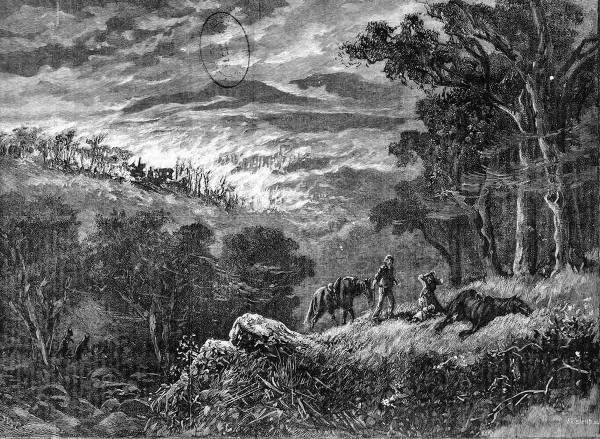
In the annals of Australian history, few events are as profoundly etched into the nation’s collective memory as the Black Thursday bushfires of 1851. This cataclysmic event not only left a trail of devastation in its wake but also served as a sobering reminder of the immense power and destructive force of bushfires in Australia.
The Inferno Unleashed
January 6, 1851, dawned ominously across the Australian state of Victoria. The tinder-dry conditions, exacerbated by a prolonged drought, set the stage for what would become one of the most devastating bushfire events in the nation’s history. As temperatures soared and strong winds whipped through the landscape, a series of fires ignited across vast swathes of land.
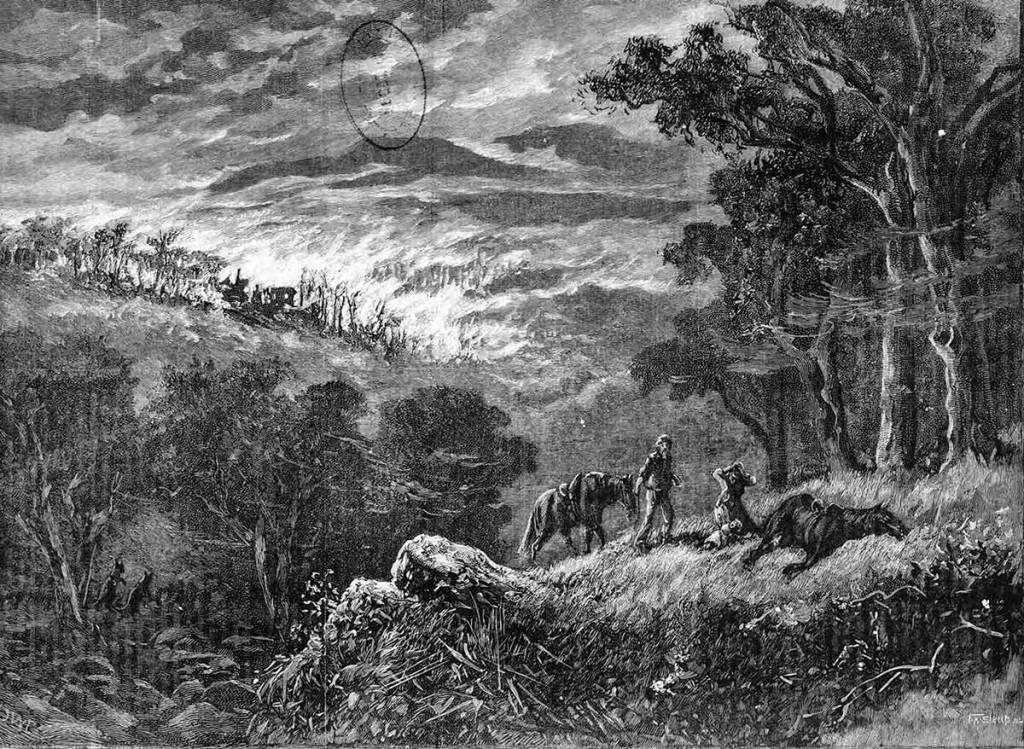
The inferno raged unchecked for days, consuming everything in its path with an insatiable appetite. Towns and settlements were engulfed in flames, homes reduced to ash, and livelihoods destroyed in a matter of hours. The sky turned an eerie shade of red as smoke blanketed the horizon, casting a pall of darkness over the land.
The Impact and Aftermath
The toll of Black Thursday was staggering. Estimates suggest that over 5 million hectares of land were scorched, an area equivalent to roughly a quarter of present-day Victoria. Lives were lost, with accounts of both human and animal casualties haunting the survivors for years to come. The economic repercussions were equally devastating, as entire communities grappled with the aftermath of widespread destruction.
Moreover, the ecological impact of the fires was profound, reshaping the landscape and forever altering the delicate balance of ecosystems. Native flora and fauna were decimated, and the scars of the fires would remain etched into the land for generations to come.
A Turning Point in History
Black Thursday marked a turning point in Australia’s history, serving as a stark reminder of the inherent dangers posed by bushfires in the Australian landscape. It sparked a newfound urgency in fire management and prevention efforts, leading to the establishment of fire brigades and the adoption of more rigorous firefighting strategies.
Furthermore, the event catalyzed a shift in public perception, fostering a deeper appreciation for the fragility of Australia’s natural environment and the need for sustainable land management practices. The resilience and determination displayed by communities in the face of adversity served as a testament to the indomitable spirit of the Australian people.

Challenges and Continuity
Despite significant advancements in fire management techniques, the threat of bushfires continues to loom large over Australia. Climate change has exacerbated the risk, leading to longer and more intense fire seasons and increasing the frequency of extreme weather events. Urban sprawl into bushland areas further complicates matters, placing additional strain on firefighting resources and exacerbating the potential for catastrophic loss.
Addressing the challenges posed by bushfires requires a multifaceted approach, encompassing proactive measures such as fuel reduction burns, investment in firefighting infrastructure, and community education and preparedness initiatives. Additionally, a concerted effort to mitigate the impacts of climate change is paramount, as the long-term viability of Australia’s ecosystems hangs in the balance.
Conclusion
The legacy of Black Thursday endures as a somber reminder of the destructive power of nature and the resilience of the human spirit. As Australia grapples with the ongoing threat of bushfires, it is imperative that we draw upon the lessons of the past to forge a path towards a more resilient and sustainable future. Only through collective action and unwavering determination can we hope to confront the challenges that lie ahead and safeguard the precious landscapes that define this great nation.



 History Class Australia