
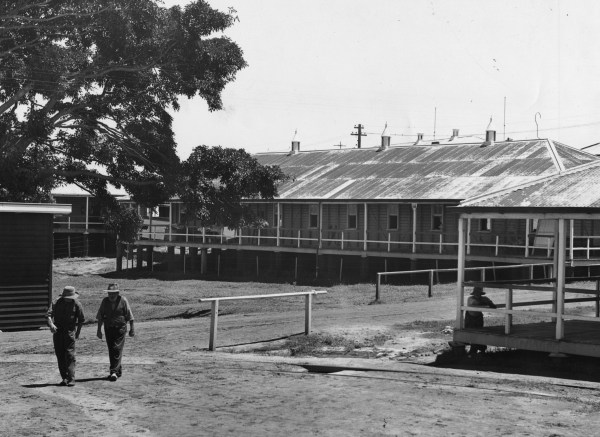
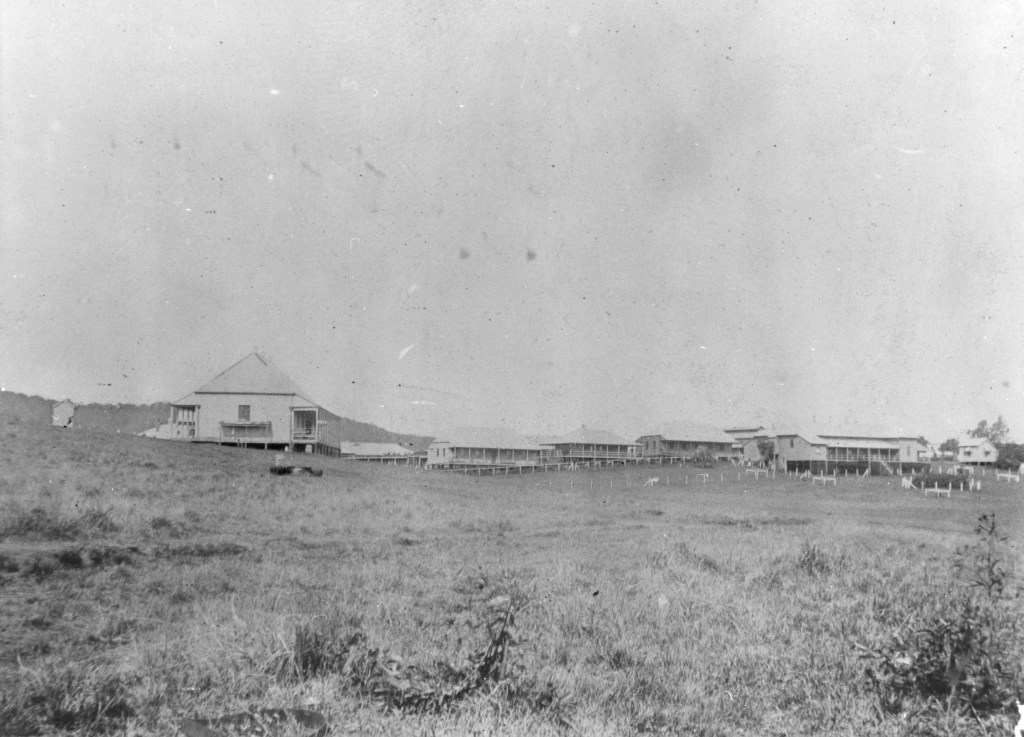
In the pages of Australian history, few institutions hold as much significance for Indigenous Australians as The Dunwich Benevolent Asylum. Established in 1865 on North Stradbroke Island, Queensland, it marked the inception of the first Aboriginal reserve in the state. Over time, it evolved into a crucial institution, shaping the lives of Indigenous Australians and leaving an indelible mark on the nation’s narrative.
Origins and Establishment
The establishment of The Dunwich Benevolent Asylum was rooted in a complex historical context. In the mid-19th century, colonial policies aimed to exert control over Indigenous populations, often through forced relocation and assimilation efforts. The asylum’s creation reflected this mindset, presenting itself as a benevolent institution while enforcing colonial authority.
Early Function and Evolution
Initially conceived as a place of refuge and support for Indigenous people, The Dunwich Benevolent Asylum provided basic amenities such as shelter, food, and healthcare. However, its true nature was far from benevolent. Under the guise of care, Indigenous individuals were subjected to strict regulations and surveillance, furthering the colonial agenda of assimilation and cultural erasure.
Impact on Indigenous Communities
The legacy of The Dunwich Benevolent Asylum reverberates through generations of Indigenous Australians. For many, it represents a symbol of resilience in the face of adversity, as well as a painful reminder of the injustices inflicted upon their ancestors. The institution’s policies had far-reaching consequences, disrupting Indigenous families and communities and perpetuating cycles of trauma and displacement.
Resistance and Resilience
Despite the oppressive conditions imposed by the asylum, Indigenous individuals and communities demonstrated remarkable resilience and resistance. Through acts of cultural preservation and solidarity, they sought to reclaim their identities and assert their rights in the face of colonial oppression. These acts of resistance laid the groundwork for future movements advocating for Indigenous rights and reconciliation in Australia.
Legacy and Contemporary Relevance
The legacy of The Dunwich Benevolent Asylum continues to shape contemporary discussions surrounding Indigenous rights and reconciliation in Australia. Its existence serves as a stark reminder of the enduring impact of colonialism on Indigenous communities and the ongoing struggle for justice and recognition. As Australia grapples with its colonial past and seeks to forge a path towards reconciliation, the lessons of institutions like The Dunwich Benevolent Asylum remain as relevant as ever.
Conclusion
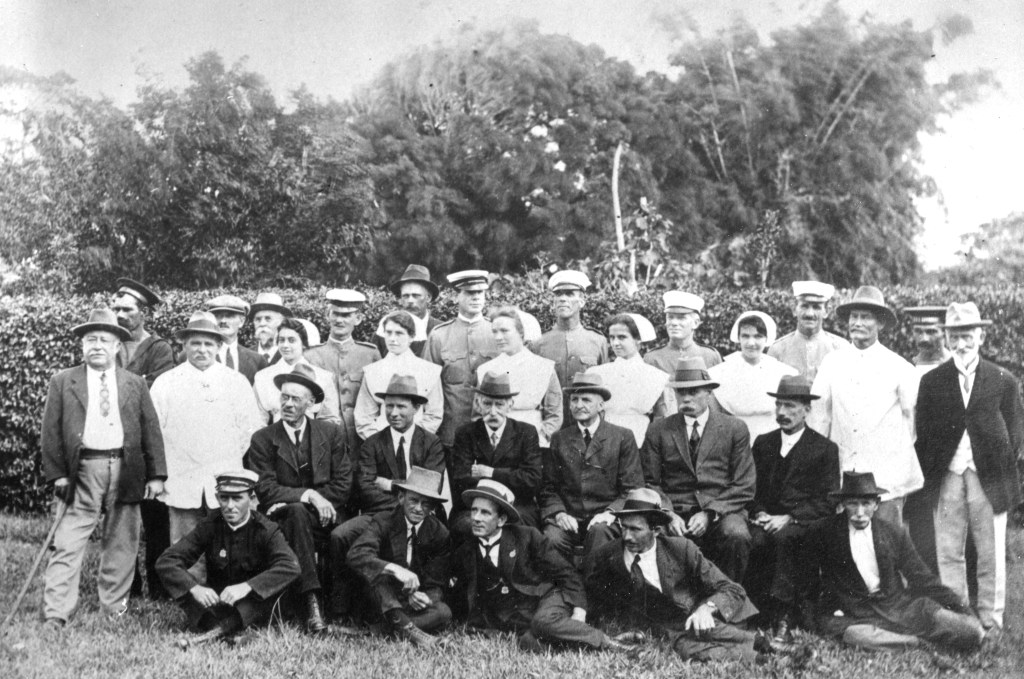
The Dunwich Benevolent Asylum stands as a poignant symbol of the complex and often fraught relationship between Indigenous Australians and colonial authorities. From its origins as the first Aboriginal reserve in Queensland to its evolution into a site of resistance and resilience, its legacy is woven into the fabric of Australian history. As we confront the injustices of the past and strive towards a more equitable future, it is essential to acknowledge and learn from the experiences of those who endured the hardships of institutions like The Dunwich Benevolent Asylum. Only by understanding our shared history can we move forward together towards reconciliation and healing.


 History Class Australia