
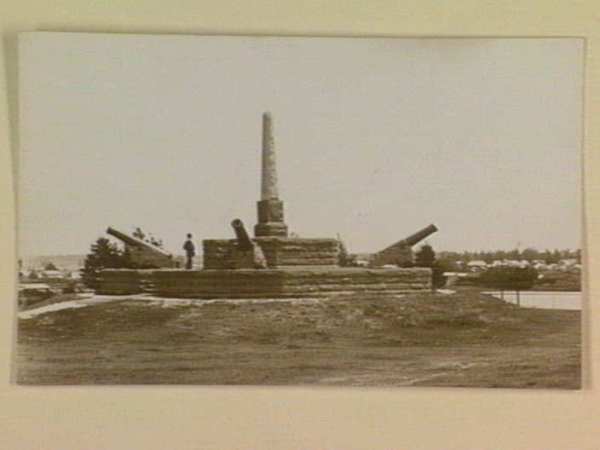
In the ages of Australian history, certain events stand out as pivotal moments that shaped the nation’s identity. One such event is the Eureka Stockade of 1854, a rebellion that erupted in Ballarat, Victoria, fueled by grievances among gold miners against the colonial government’s administration. This watershed moment not only marked a violent clash between authority and the oppressed but also became a symbol of defiance and the struggle for democratic rights. Let’s delve into the lead-up to this historic event and its profound significance in Australian history.
Lead-up to the Event:
Gold Rush Boom: The 1850s witnessed a gold rush frenzy in Australia, particularly in Victoria. Thousands flocked to regions like Ballarat in search of fortune, drawn by the promise of gold. However, their hopes often collided with harsh realities, including exploitative practices by authorities and landowners.
Unfair Licensing System: The colonial government implemented a licensing system, requiring miners to pay a hefty fee for the right to search for gold. This system was deeply resented by miners, as it burdened them with heavy costs regardless of their success in finding gold. Moreover, the enforcement of these licenses was often oppressive and arbitrary.
Growing Discontent: As resentment simmered among the miners, grievances mounted over other issues such as inadequate representation, lack of basic rights, and rampant corruption among officials. The discontent was further fueled by socio-economic disparities and the perception of injustice perpetuated by the authorities.
Formation of Diggers’ Rights: In response to these injustices, miners began to organize themselves. They formed the Ballarat Reform League, advocating for democratic reforms and fair treatment of miners. The league’s demands included the abolition of the licensing system, representation in government, and judicial reform.
The Eureka Rebellion: Tensions reached a boiling point on December 3, 1854, when a confrontation erupted between miners and authorities at the Eureka Stockade. The miners, led by figures like Peter Lalor, erected a makeshift fortification to symbolize their resistance against the oppressive regime. Government troops, fearing insurrection, launched a dawn attack on the stockade, resulting in bloodshed and loss of lives.

Significance in Australian History:
Symbol of Resistance: The Eureka Stockade emerged as a powerful symbol of resistance against tyranny and injustice. It embodied the spirit of ordinary people standing up against oppressive regimes, inspiring generations of Australians to fight for their rights and freedoms.
Demands for Reform: The rebellion galvanized public opinion and brought widespread attention to the grievances of the miners. In the aftermath of the Eureka Stockade, the colonial government was forced to address some of the miners’ demands, leading to reforms such as the abolition of the license fee and improved representation.
Legacy of Democracy: The principles of democracy and civil liberties espoused by the rebels at Eureka have left a lasting legacy in Australian society. The ideals of equality, justice, and democracy continue to resonate, shaping the nation’s political landscape and institutions.
Cultural Iconography: The Eureka Stockade has been immortalized in Australian culture and folklore, celebrated in literature, art, and commemorative events. The iconic blue and white flag flown at the stockade, featuring the Southern Cross constellation, has become a symbol of Australian identity and the struggle for freedom.
The Eureka Stockade of 1854 stands as a defining moment in Australian history, embodying the spirit of defiance and the quest for democratic rights. It serves as a reminder of the sacrifices made by those who fought against oppression and injustice, and it continues to inspire movements for social change and reform. The legacy of Eureka remains ingrained in the collective consciousness of Australians, shaping their values, aspirations, and commitment to a more just and equitable society.








 History Class Australia