
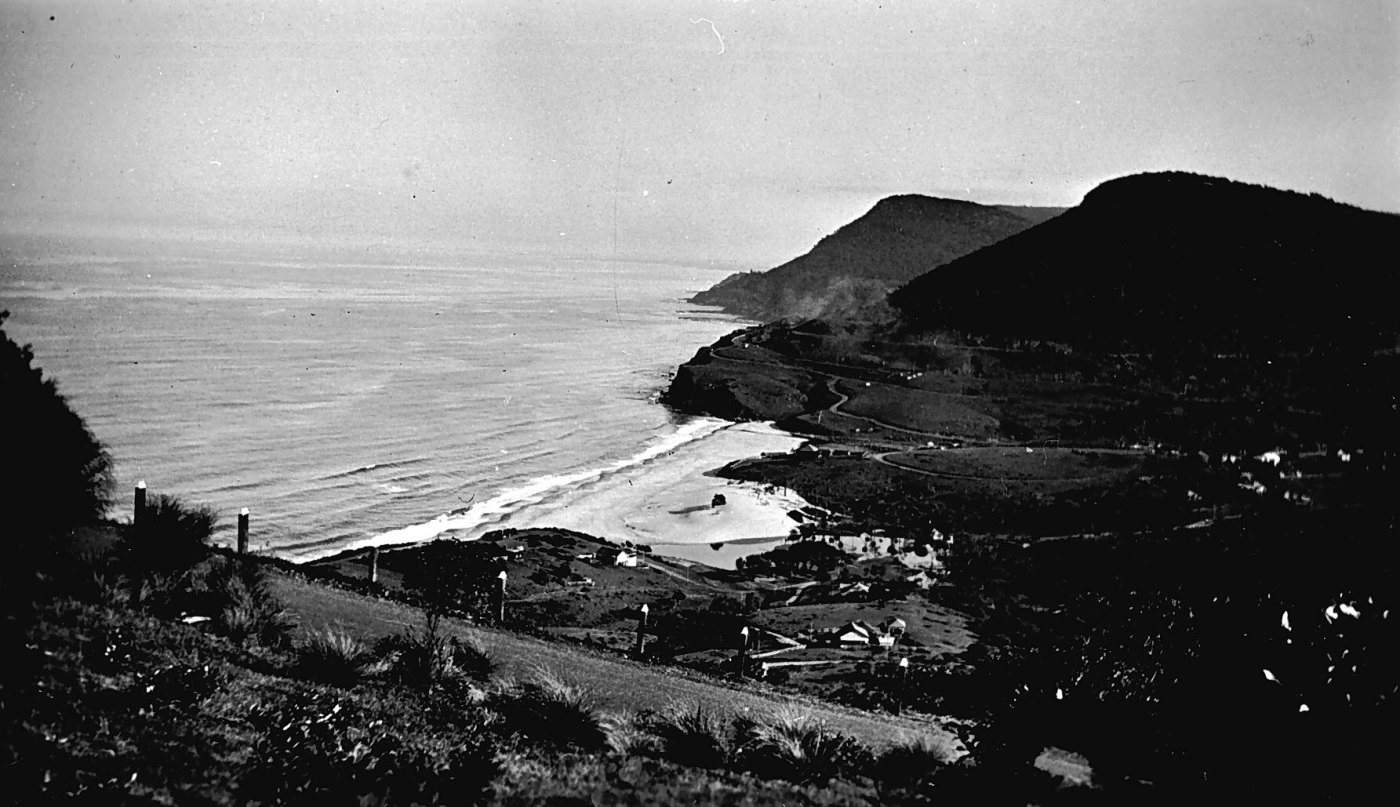
In the wings of aviation history, there are moments that stand out as pivotal, marking the birth of dreams and the triumph of human ingenuity over gravity. One such moment occurred on a windy day in 1894 when Lawrence Hargrave, an Australian engineer and inventor, lifted off the ground in his revolutionary creation – the box kite. This event, which took place at Stanwell Park, not only marked a milestone in aviation but also left an indelible mark on Australian history, shaping the course of technological innovation and inspiring generations to reach for the skies.
The Prelude to Flight: Lawrence Hargrave was a man driven by curiosity and a passion for exploration. Born in 1850 in New South Wales, Australia, he displayed an early interest in science and engineering. His career as an inventor began with experiments in telegraphy and marine exploration, but it was his fascination with the principles of flight that would ultimately define his legacy. Drawing inspiration from nature and the flight of birds, Hargrave embarked on a quest to unlock the secrets of the skies.
The Genesis of the Box Kite: Hargrave’s journey towards flight was marked by meticulous observation and innovative thinking. Recognizing the limitations of existing designs, he set out to create a flying machine that could overcome the challenges of stability and lift. Drawing upon his background in engineering, Hargrave devised the concept of the box kite – a multi-cellular structure that offered increased control and efficiency in flight. Through a process of experimentation and refinement, he honed his design, preparing it for the ultimate test: the winds of Stanwell Park.
The Historic Flight: On a blustery day in November 1894, Lawrence Hargrave stood on the shores of Stanwell Park, ready to defy gravity and make history. With his box kite tethered to the ground, he awaited the perfect moment to launch his creation into the sky. As the wind picked up speed, Hargrave released the kite, watching as it soared gracefully into the air. With each gust, the kite climbed higher and higher, defying skeptics and proving the potential of Hargrave’s innovation. For over an hour, the box kite danced across the sky, demonstrating unprecedented stability and control – a triumph of human ingenuity over the forces of nature.
Significance in Australian History: The flight of the box kite at Stanwell Park in 1894 marked a turning point in Australian history, propelling the nation into the forefront of aviation innovation. Hargrave’s achievement captured the imagination of the public and inspired a new generation of inventors and aviators. It showcased Australia’s potential as a hub for scientific and technological advancement, earning recognition and acclaim on the international stage. Moreover, it ignited a sense of national pride, as Australians celebrated the accomplishments of one of their own on the global stage.
Beyond Boundaries: Hargrave’s Global Influence: Hargrave’s contributions to aviation extended far beyond the shores of Australia, earning him recognition and respect from the international scientific community. His research into aerodynamics laid the groundwork for future advancements in flight, influencing pioneers such as the Wright brothers and shaping the course of aeronautical history. Moreover, his legacy transcended the realm of science, leaving a lasting impact on culture and society. Depictions of his historic flight have appeared in literature, art, and film, immortalizing his achievements for generations to come.
Preserving Hargrave’s Legacy: As we reflect on the legacy of Lawrence Hargrave and the flight of the box kite at Stanwell Park, it is essential to commemorate his achievements and inspire future generations to continue his quest for knowledge and innovation. Through monuments, memorials, and educational initiatives, we can ensure that Hargrave’s legacy endures, serving as a reminder of the power of human curiosity and the boundless possibilities of the human spirit. In doing so, we honor not only the man himself but also the spirit of exploration that drives us ever skyward, towards new horizons and new discoveries.
Conclusion: The flight of the box kite at Stanwell Park in 1894 remains a beacon of human achievement, symbolizing the relentless pursuit of knowledge and the boundless possibilities of the human spirit. Lawrence Hargrave’s daring experiment not only propelled him into the annals of history but also propelled Australia onto the global stage of aviation innovation. As we look back on this momentous occasion, let us celebrate the legacy of Hargrave’s flight and continue to reach for new heights, both figuratively and literally, inspired by his pioneering spirit.
 History Class Australia
Leave a comment