
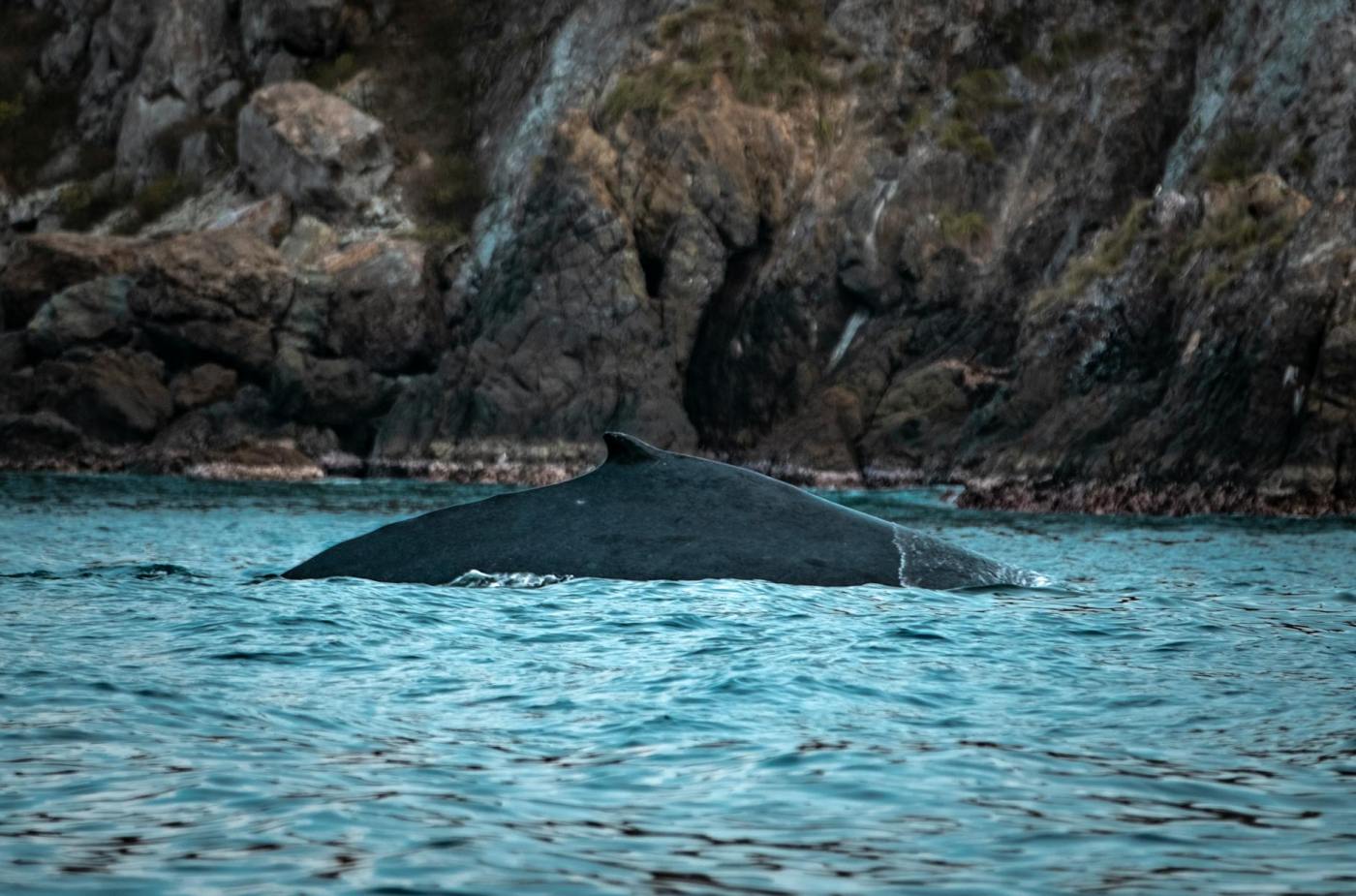
In Australian history, the year 1791 marks a pivotal moment – the establishment of the whaling industry in Sydney. This maritime enterprise, born out of necessity and ambition, left an indelible mark on the nation’s economic landscape and cultural heritage. As we delve into the depths of this historical event, we uncover not only the significance of whaling in shaping early Australian society but also its enduring legacy in the fabric of the nation.
The backdrop of 1791 was one of exploration and colonization. With the arrival of the First Fleet in 1788, led by Captain Arthur Phillip, Australia became a new frontier for the British Empire. However, sustaining the burgeoning colony proved to be a formidable challenge. The need for resources, particularly food and economic opportunities, spurred the exploration of Australia’s natural assets, including its vast marine resources.
It was against this backdrop that the whaling industry took root in Sydney. Whales, abundant in the waters surrounding the continent, presented a lucrative opportunity for early settlers. The establishment of whaling stations along the coast, notably in Sydney, heralded the beginning of a lucrative trade that would play a significant role in the colony’s economy.
The significance of the whaling industry in Australian history cannot be overstated. Economically, it provided a vital source of income for the fledgling colony. Whale oil, derived from the blubber of the hunted mammals, served as a valuable commodity for lighting lamps and lubricating machinery. Additionally, whalebone, prized for its durability and flexibility, found use in various industries, including the manufacture of corsets and umbrellas.
Moreover, the whaling industry played a crucial role in the development of maritime infrastructure in Australia. Whaling stations required specialized equipment and facilities, such as tryworks for rendering whale blubber and storage facilities for processed oil. The construction and maintenance of these structures contributed to the growth of coastal settlements and fostered the development of maritime trade routes.
Beyond its economic impact, the whaling industry also shaped Australia’s cultural landscape. Whaling became ingrained in the maritime identity of coastal communities, with generations of Australians finding employment and livelihoods in the industry. The lore of the sea, filled with tales of harpooners and epic hunts, became part of the nation’s storytelling tradition, immortalized in literature and art.
However, the legacy of whaling in Australia is not without its controversies. The exploitation of whale populations, driven by profit and demand, led to the decline of many species in Australian waters. The environmental impact of whaling, coupled with changing societal attitudes towards animal welfare, eventually led to the decline of the industry in the 20th century.
Nevertheless, the story of the 1791 establishment of the whaling industry in Sydney remains a significant chapter in Australian history. It reflects the spirit of exploration and enterprise that defined early colonial life, as well as the complex relationship between humans and the natural world. While the days of whaling may belong to the past, its legacy endures as a reminder of the interconnectedness of Australia’s maritime heritage and its ongoing commitment to conservation and sustainability
 History Class Australia
Leave a comment