
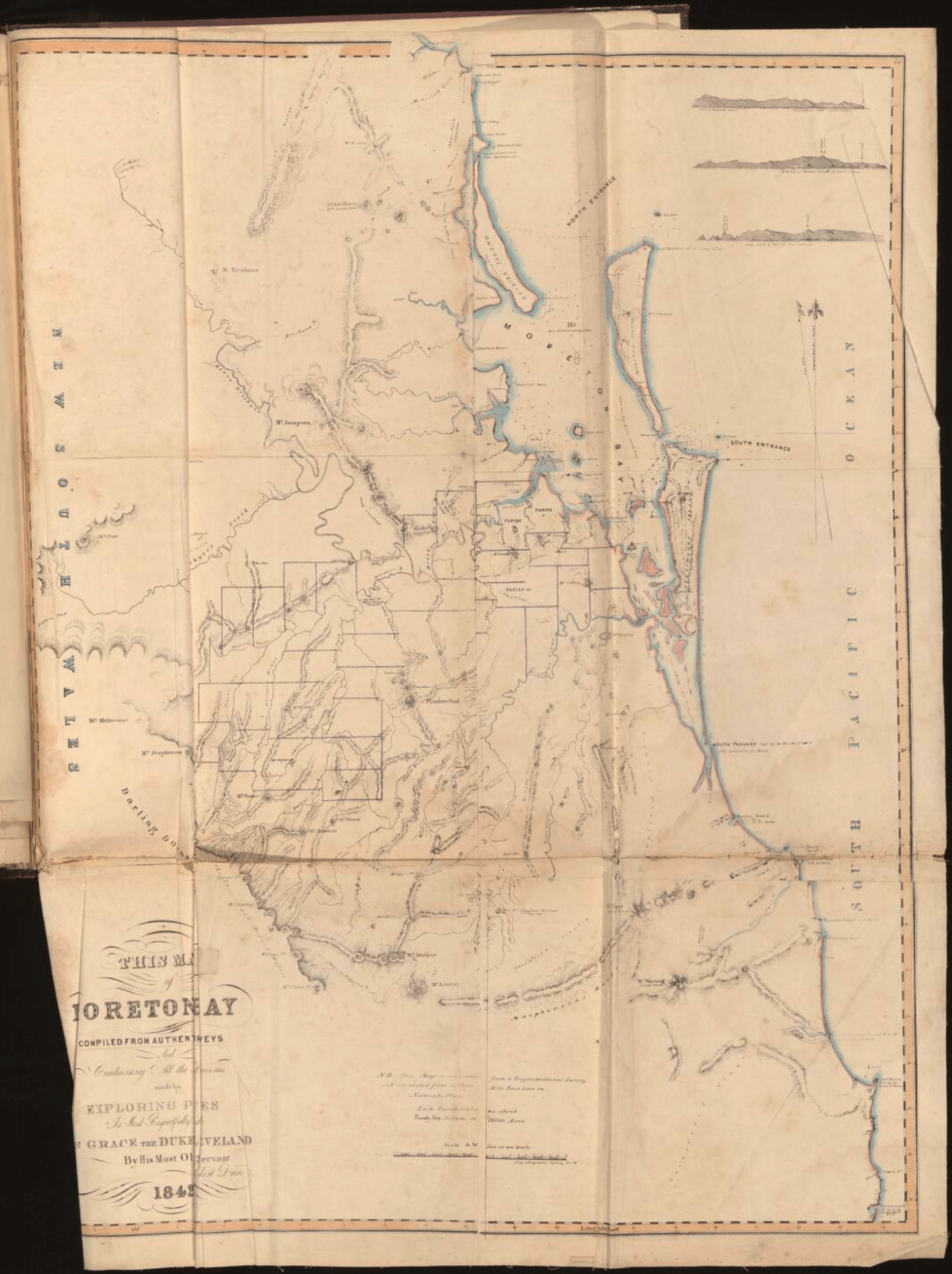
In the annals of Australian history, there exists a significant chapter that marks the foundation of Brisbane, the capital city of Queensland. This chapter, etched in the year 1825, witnessed the establishment of the Moreton Bay convict settlement, a pivotal moment that shaped the trajectory of both the region and the nation as a whole. Delving into the depths of this historical event unveils not only the origins of one of Australia’s most vibrant cities but also sheds light on the complexities of colonialism, penal practices, and the enduring resilience of the human spirit.
The establishment of the Moreton Bay Penal Settlement was born out of a need for expanding British colonial influence in the Australian continent. At the time, the British government faced a conundrum concerning the management of convicts, exacerbated by overcrowding in existing settlements such as Sydney. Thus, the decision was made to establish a new outpost in the vast expanse of what is now known as Queensland.
On September 2, 1824, under the command of Captain Henry Miller, the brig Amity arrived at Redcliffe, marking the first official European settlement in the area. However, it was not until the following year, on September 13, 1825, that Lieutenant Henry Miller, along with a small contingent of soldiers, officially founded the Moreton Bay convict settlement on the banks of the Brisbane River. This event laid the groundwork for what would eventually evolve into the bustling metropolis of Brisbane.
The significance of the Moreton Bay Penal Settlement in Australian history cannot be overstated. Firstly, it served as a crucial cog in the British colonial machine, extending their dominion over vast swathes of land previously inhabited by Indigenous peoples for millennia. The establishment of such settlements not only facilitated the exploitation of natural resources but also laid the groundwork for the imposition of European societal norms and structures upon the indigenous populations.
Moreover, the Moreton Bay settlement played a pivotal role in the broader context of the convict system in Australia. As a penal colony, it served as a place of punishment and rehabilitation for convicts transported from Britain and Ireland. The harsh conditions endured by these individuals, coupled with the forced labor they were subjected to, left an indelible mark on the collective psyche of the nation. Yet, despite the hardships they faced, many convicts exhibited remarkable resilience, contributing to the development of the fledgling colony through their labor and ingenuity.
Furthermore, the establishment of the Moreton Bay Penal Settlement laid the foundation for the future development of Brisbane as a thriving urban center. Over the years, the settlement evolved into a bustling hub of commerce, culture, and innovation, attracting settlers from far and wide. The legacy of those early pioneers, both convict and free, is evident in the rich tapestry of heritage that permeates the city to this day.
However, it is crucial to acknowledge the darker aspects of this history, including the displacement and mistreatment of Indigenous peoples, whose land was forcibly colonized and whose culture was marginalized in the process. The story of Brisbane’s founding is not solely one of triumph and progress but also one of struggle and resilience in the face of adversity.
In conclusion, the founding of the Moreton Bay Penal Settlement in 1825 stands as a seminal moment in Australian history, marking the birth of one of the nation’s most iconic cities. Its significance lies not only in its role as a colonial outpost but also in its contribution to the broader narrative of convictism and nation-building in Australia. As we reflect on this historical milestone, it is imperative that we strive to understand the complexities of our past and honor the diverse voices that have shaped the course of our shared history.
 History Class Australia
Leave a comment