
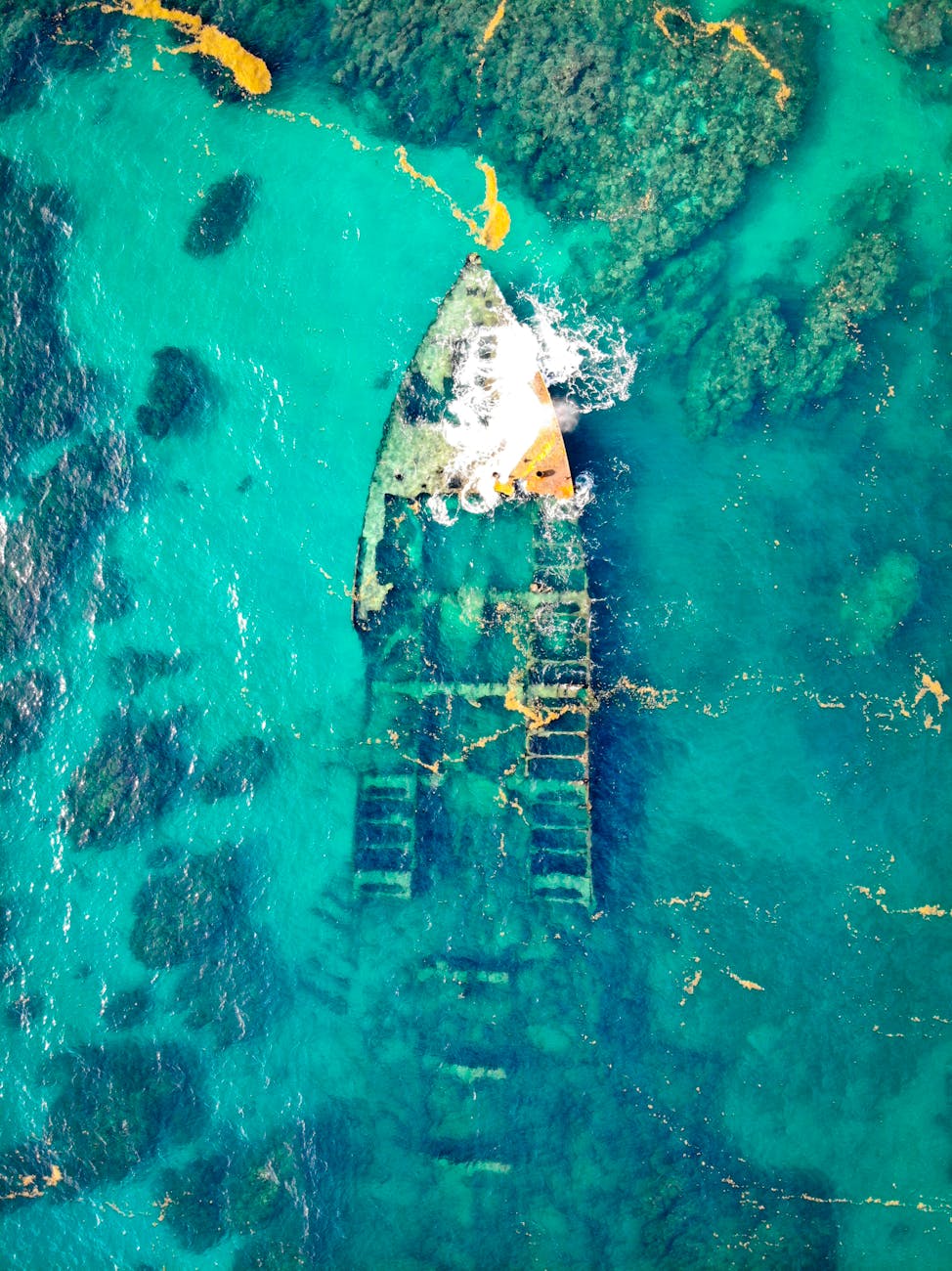
In the annals of Australian history, tales of maritime exploration often capture the imagination. Yet, amongst the narratives of adventure and discovery lies a darker chapter: the story of the Dutch East India Company ship Batavia. Sailing the treacherous waters off Western Australia in 1629, the Batavia’s wreck marked not only a maritime disaster but also a horrifying episode of mass murder and marooning that resonates through the ages.
Setting the Stage: The Dutch East India Company and the Batavia
To understand the significance of the Batavia wreck, one must first grasp the context of Dutch exploration in the 17th century. At the forefront of this exploration was the Dutch East India Company, a powerful trading entity with vast interests in the East Indies. The Batavia, a flagship of the Dutch fleet, embarked on a voyage of great importance, destined for the Dutch East Indies to further the Company’s trade objectives.
The Tragic Wreck and the Emergence of Chaos
As the Batavia navigated the perilous waters off the coast of Western Australia, disaster struck. The ship foundered on a reef, leaving its passengers and crew stranded on nearby islands. In the immediate aftermath of the wreck, chaos reigned amongst the survivors as they struggled to come to terms with their predicament. Little did they know, however, that their ordeal was far from over.
Betrayal and Bloodshed: The Mass Murders on the Islands
Unbeknownst to many of the survivors, a sinister plot was unfolding amongst them. Led by a man named Jeronimus Cornelisz, a group of mutineers sought to seize power and establish their own rule over the stranded survivors. What followed was a series of brutal massacres, as Cornelisz and his followers slaughtered men, women, and children in their quest for dominance. The idyllic islands that had initially seemed like a sanctuary had become a scene of unspeakable horror.
Marooned: Stranded on the Western Australian Coast
Amidst the chaos and bloodshed, two men, Wouter Loos and Jan Pelgrom, found themselves marooned on the mainland by Cornelisz’s faction. Alone and vulnerable, they faced the daunting task of survival in the harsh Australian wilderness. Their encounters with Indigenous Australians added another layer of complexity to their struggle, as they navigated the challenges of communication and mutual understanding.

Justice and Redemption: The Aftermath of the Batavia Tragedy
Eventually, the survivors of the Batavia wreck were rescued, and the full extent of the atrocities committed came to light. Jeronimus Cornelisz and his accomplices were brought to justice, facing trial and punishment for their heinous crimes. While the scars of the Batavia tragedy would never fully heal, the pursuit of justice offered a semblance of closure for the victims and their descendants.
Legacy and Remembrance: Lessons from the Batavia Wreck
The saga of the Batavia wreck serves as a sobering reminder of the complexities of human nature and the fragility of civilization. Beyond its status as a maritime disaster, the Batavia tragedy holds valuable lessons for future generations. It reminds us of the importance of vigilance against tyranny and the need to uphold justice in the face of adversity. As we reflect on this dark chapter in Australian history, let us honor the memory of the victims and strive to learn from the mistakes of the past as we navigate the challenges of the present and future.
 History Class Australia
Leave a comment