
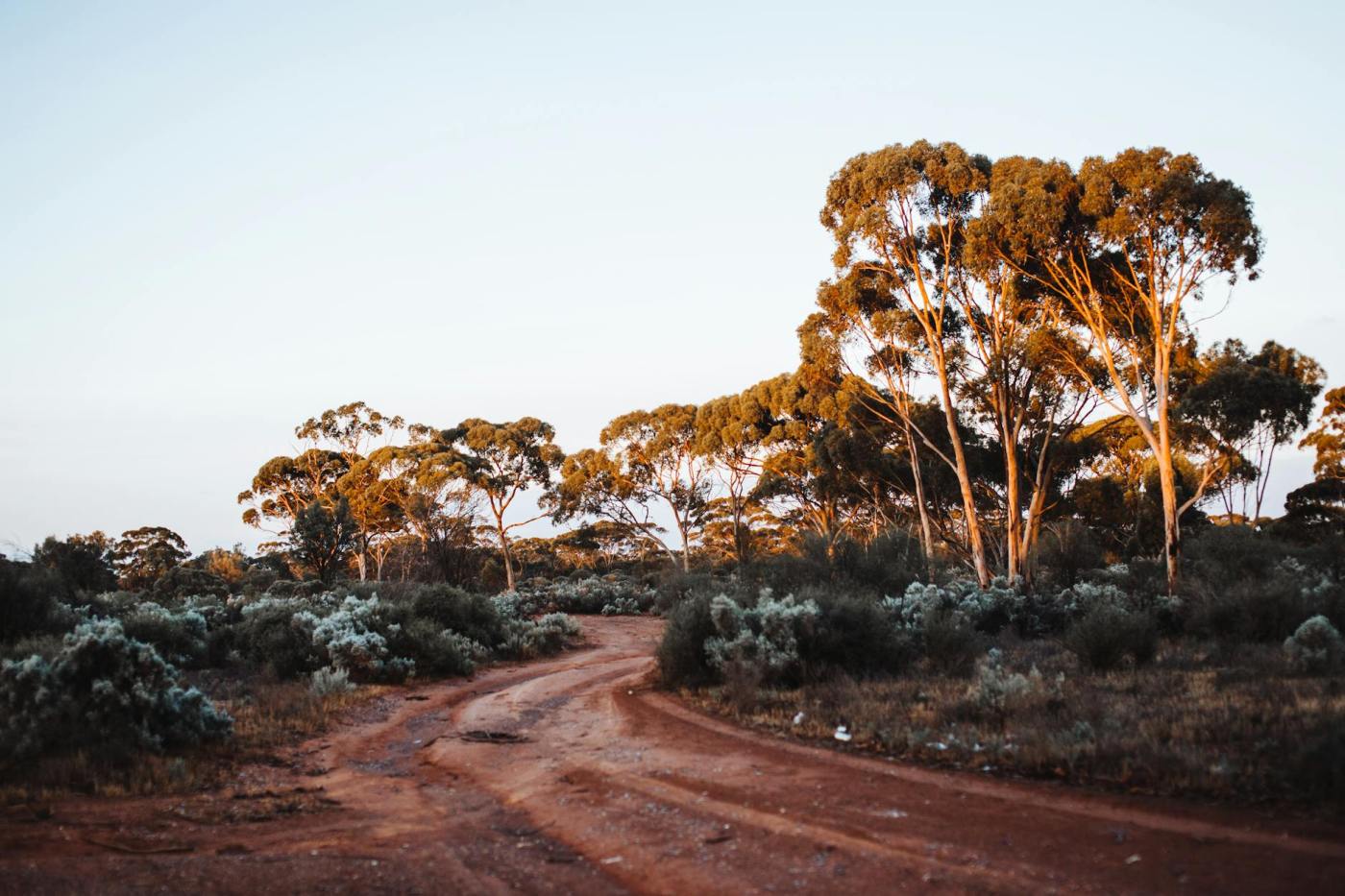
In the annals of Australian history, there exist landmarks that transcend their physical boundaries, encapsulating the spirit and essence of a nation. Among these is the Royal National Park, Sydney, a verdant oasis steeped in history and natural beauty. Established in 1879, it holds the distinction of being Australia’s first national park, a title that underscores its profound significance in shaping the nation’s conservation ethos and cultural identity.
A Historic Genesis: The genesis of Royal National Park can be traced back to a pivotal moment in Australia’s colonial history. In the late 19th century, amidst growing concerns over environmental degradation and the relentless march of urbanization, the need to safeguard the nation’s natural heritage became increasingly apparent. It was against this backdrop that the visionary efforts of Sir John Robertson, then Premier of New South Wales, came to fruition.
On April 26, 1879, Royal National Park was officially proclaimed, marking a historic milestone in Australia’s conservation movement. Spanning over 16,000 hectares of rugged coastline, pristine bushland, and picturesque waterways, it represented a bold commitment to preserving the country’s ecological treasures for future generations.
Significance in Australian History: The establishment of Royal National Park heralded a paradigm shift in Australia’s approach to land conservation. Prior to its inception, the prevailing mindset had been one of exploitation and unchecked development, driven by the imperatives of colonial expansion and economic growth. However, with the creation of the park, a new ethos emerged—one grounded in the recognition of nature’s intrinsic value and the imperative of stewardship.
Moreover, Royal National Park served as a catalyst for the broader conservation movement across Australia. Inspired by its success, subsequent generations advocated for the creation of additional protected areas, leading to the establishment of a comprehensive network of national parks and reserves that now dot the Australian landscape.
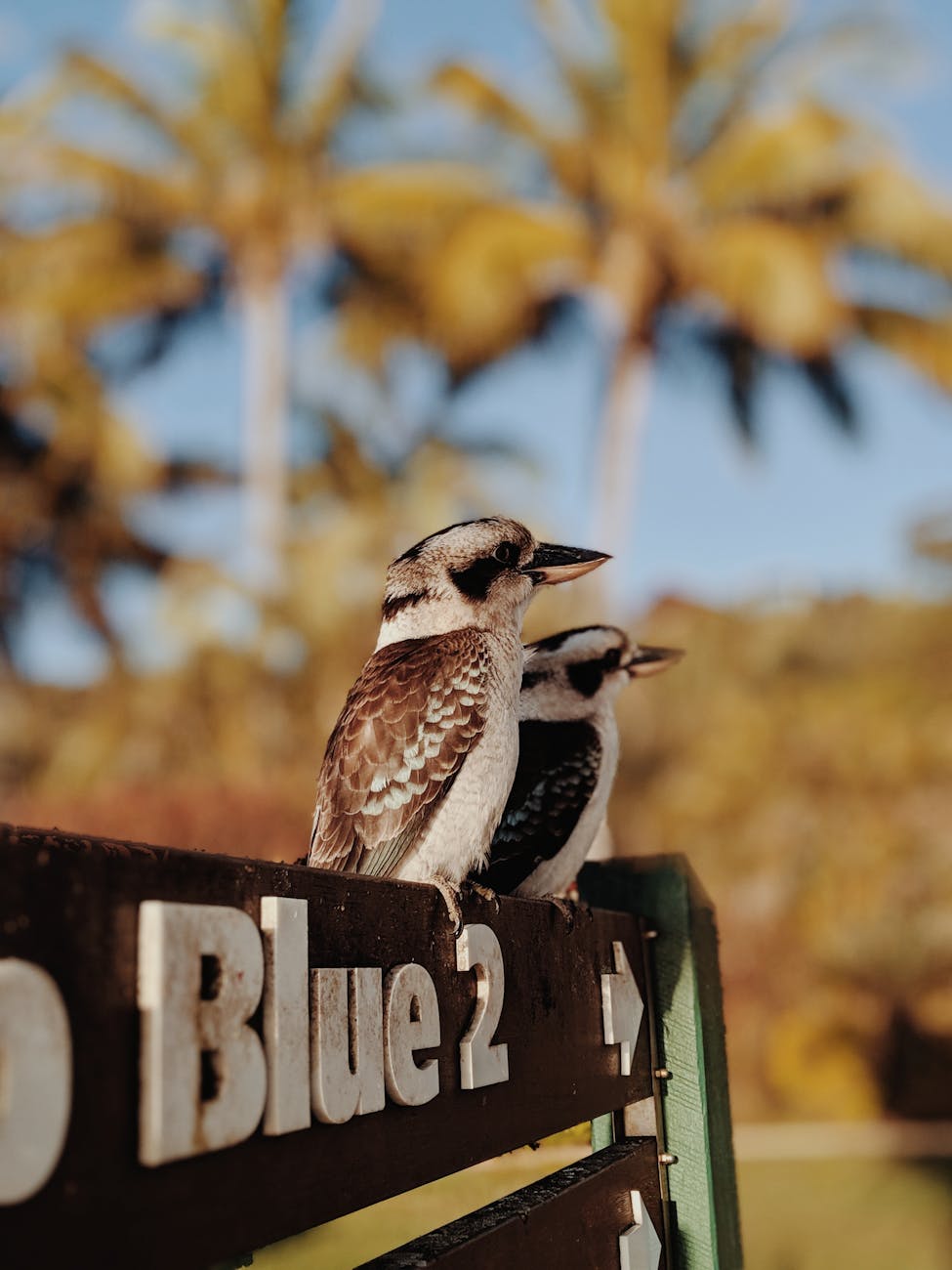
Current Importance in Australian Culture: Today, Royal National Park occupies a hallowed place in the hearts and minds of Australians, serving as both a sanctuary for biodiversity and a playground for outdoor enthusiasts. Its rugged cliffs, secluded beaches, and lush rainforests offer a refuge from the hustle and bustle of urban life, beckoning visitors to immerse themselves in the wonders of the natural world.
Beyond its ecological significance, Royal National Park holds cultural resonance as a site of historical importance and recreational enjoyment. For many Australians, it represents a connection to the land and a tangible link to their heritage, fostering a sense of belonging and stewardship.
Moreover, the park plays a vital role in promoting environmental education and awareness, serving as a living laboratory for students and researchers alike. Through interpretive programs, guided walks, and community engagement initiatives, it seeks to foster a deeper appreciation for the value of biodiversity and the importance of conservation efforts.
In Conclusion: As Australia’s first national park, Royal National Park stands as a testament to the power of vision, perseverance, and collective action. From its humble beginnings in 1879 to its enduring legacy in the present day, it has served as a beacon of hope and inspiration, reminding us of our shared responsibility to protect and preserve the natural world.
As we reflect on its historic significance and cultural importance, let us reaffirm our commitment to safeguarding Australia’s rich biodiversity for generations to come. For in the timeless beauty of Royal National Park, we find not only a sanctuary for wildlife but also a source of solace and renewal for the human spirit.
 History Class Australia
Leave a comment