
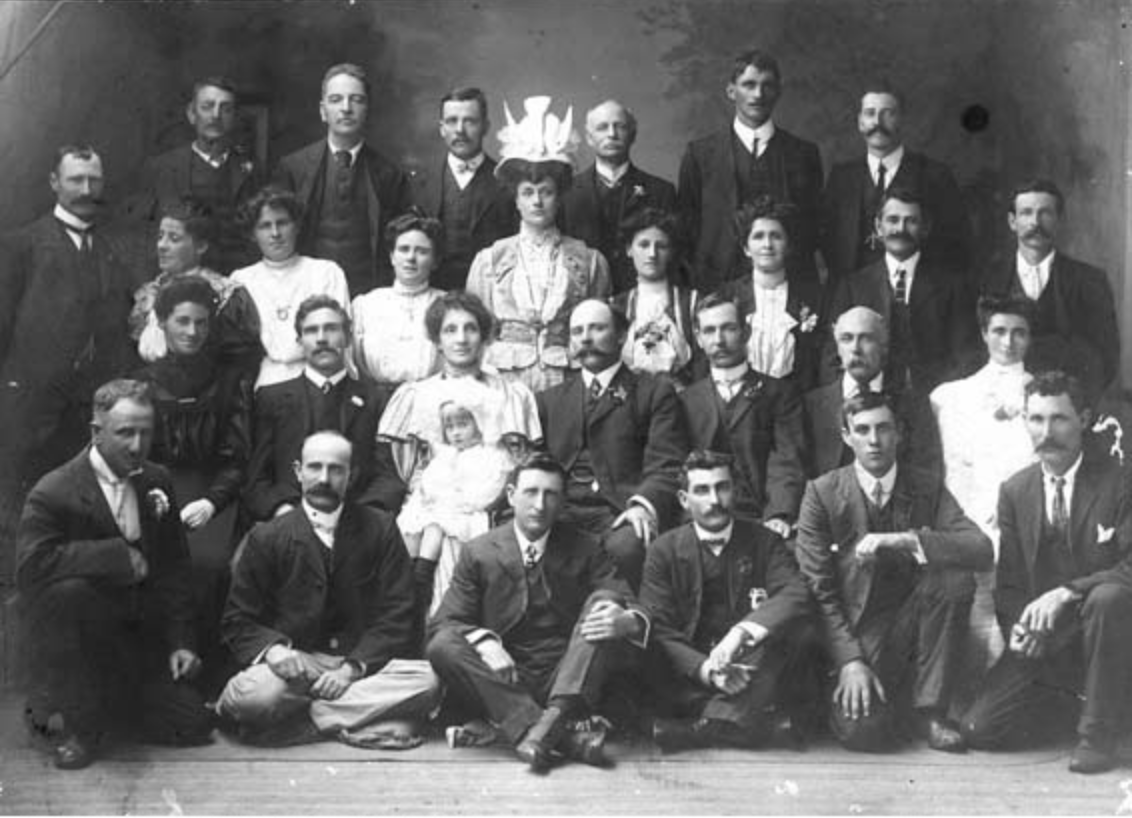
In the heart of Australia’s Queensland, nestled in the town of Barcaldine, a pivotal moment in history unfolded in 1891. It was here that the Australian Labor Party (ALP) was formed, igniting a flame of advocacy for workers’ rights and interests that would shape the nation’s political landscape for decades to come.
The establishment of the ALP marked a monumental shift in Australian politics, as it became the first political party in the country to primarily represent the interests of the working class. At a time when industrialization was rapidly changing the economic and social fabric of the nation, workers faced myriad challenges, including long hours, poor wages, and unsafe working conditions.
The formation of the ALP provided a platform for workers to voice their grievances and fight for meaningful change. Through collective action and political representation, the party aimed to address the injustices faced by ordinary Australians and champion policies that would improve their lives.
One of the key principles that underpinned the ALP’s ideology was the notion of social justice. From its inception, the party advocated for policies such as minimum wages, maximum working hours, and workplace safety regulations, laying the groundwork for Australia’s modern labor laws.
Moreover, the ALP played a significant role in shaping the nation’s social welfare system, championing initiatives such as universal healthcare, pensions, and unemployment benefits. These policies were instrumental in promoting equality and improving the standard of living for all Australians.
Throughout its history, the Australian Labor Party has been home to many influential politicians who have left an indelible mark on the nation’s political landscape. One such figure is Andrew Fisher, who served as Australia’s Prime Minister on three separate occasions between 1908 and 1915. Fisher was a staunch advocate for workers’ rights and is remembered for his commitment to social reform.
Another notable Labor leader is Gough Whitlam, who served as Prime Minister from 1972 to 1975. Whitlam’s government introduced a raft of progressive policies, including universal healthcare, free tertiary education, and indigenous land rights, fundamentally reshaping the Australian political landscape.
In more recent times, Julia Gillard made history as Australia’s first female Prime Minister, leading the country from 2010 to 2013. Gillard’s government implemented several landmark policies, including the introduction of a carbon pricing scheme and the establishment of the National Disability Insurance Scheme.
The Australian Labor Party’s legacy extends far beyond its formation in Barcaldine in 1891. It has been instrumental in shaping the nation’s political landscape and advancing the interests of ordinary Australians. From advocating for workers’ rights to championing social reform, the ALP continues to play a pivotal role in shaping the future of Australia.
As we reflect on the significance of the Australian Labor Party, we are reminded of the power of collective action and the importance of standing up for what is right. The principles of social justice and equality that the ALP embodies are as relevant today as they were over a century ago, serving as a beacon of hope for a fairer and more just society.
 History Class Australia
Leave a comment