
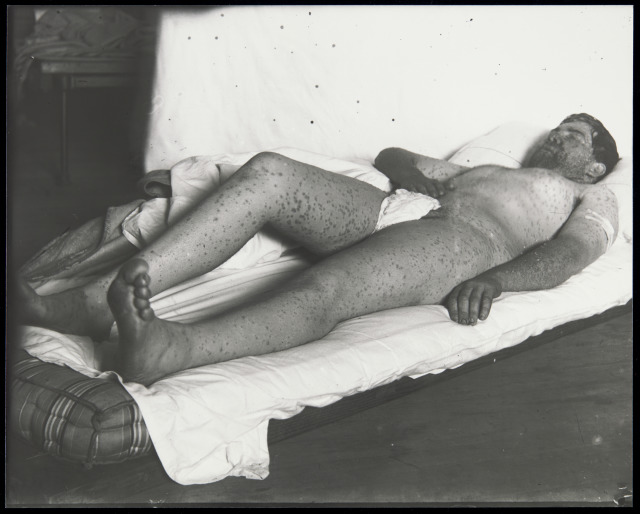
The history of Australia is marked by both triumphs and tragedies, with one of the darkest chapters being the Smallpox epidemic of 1790. This catastrophic event left an indelible mark on the Aboriginal populations in the Sydney region, reshaping communities and altering the course of history. In this blog post, we delve into the harrowing tale of the Smallpox epidemic, examining its profound impacts and enduring significance in Australian history.
The arrival of British colonizers in Australia in 1788 brought with it not only a new chapter in history but also unforeseen challenges for the indigenous peoples. Among these challenges was the introduction of infectious diseases, including Smallpox. Smallpox, a highly contagious and deadly disease, quickly spread among the Aboriginal populations who had no immunity to it, leading to widespread devastation.
The Smallpox epidemic wreaked havoc on Aboriginal communities in the Sydney region, causing widespread illness, death, and disarray. Entire families and clans were decimated by the disease, leaving behind a trail of grief and despair. The social fabric of these communities was torn apart as traditional kinship structures were shattered, and cultural practices disrupted.
In addition to the loss of lives, the Smallpox epidemic also resulted in the erosion of invaluable cultural knowledge and traditions. Elders, who served as the custodians of Aboriginal culture and wisdom, perished in large numbers, taking with them centuries of oral history, medicinal knowledge, and spiritual practices. This loss dealt a severe blow to the continuity and preservation of Aboriginal heritage, leaving future generations grappling with the void left by their ancestors.
The Smallpox epidemic further exacerbated the already fraught relationship between the Aboriginal peoples and the British colonizers. Instead of offering aid and assistance to the afflicted communities, colonial authorities exploited the chaos and vulnerability caused by the epidemic to further their own interests. Land grabs, forced relocations, and the imposition of oppressive policies became common tactics, deepening the sense of injustice and marginalization experienced by the Aboriginal populations.
The Smallpox epidemic of 1790 holds profound significance in Australian history, serving as a stark reminder of the devastating consequences of colonization and the enduring legacy of trauma inflicted upon indigenous peoples. It represents a dark chapter of Australia’s past that continues to reverberate through generations, underscoring the need for reconciliation, acknowledgment of past wrongs, and efforts towards healing and restitution.
Despite the immense suffering inflicted by the Smallpox epidemic, Aboriginal communities demonstrated remarkable resilience in the face of adversity. Through acts of collective strength, cultural resurgence, and determination to preserve their heritage, they have persevered against the odds and continue to assert their rights and identities in contemporary Australia. Their resilience serves as a beacon of hope and inspiration, reminding us of the enduring power of the human spirit in overcoming even the darkest of times.
The Smallpox epidemic of 1790 stands as a haunting testament to the profound injustices endured by Aboriginal peoples in the wake of colonization. Its impacts reverberate through history, shaping the trajectory of indigenous communities and the nation as a whole. As we reflect on this tragic chapter, let us honor the resilience and strength of Aboriginal peoples, acknowledge their enduring legacy, and strive towards a future of reconciliation, respect, and healing.
For more information about this deadly disease and follow the link for a news article describing someone the global horrors smallpox has caused.
 History Class Australia
Leave a comment