

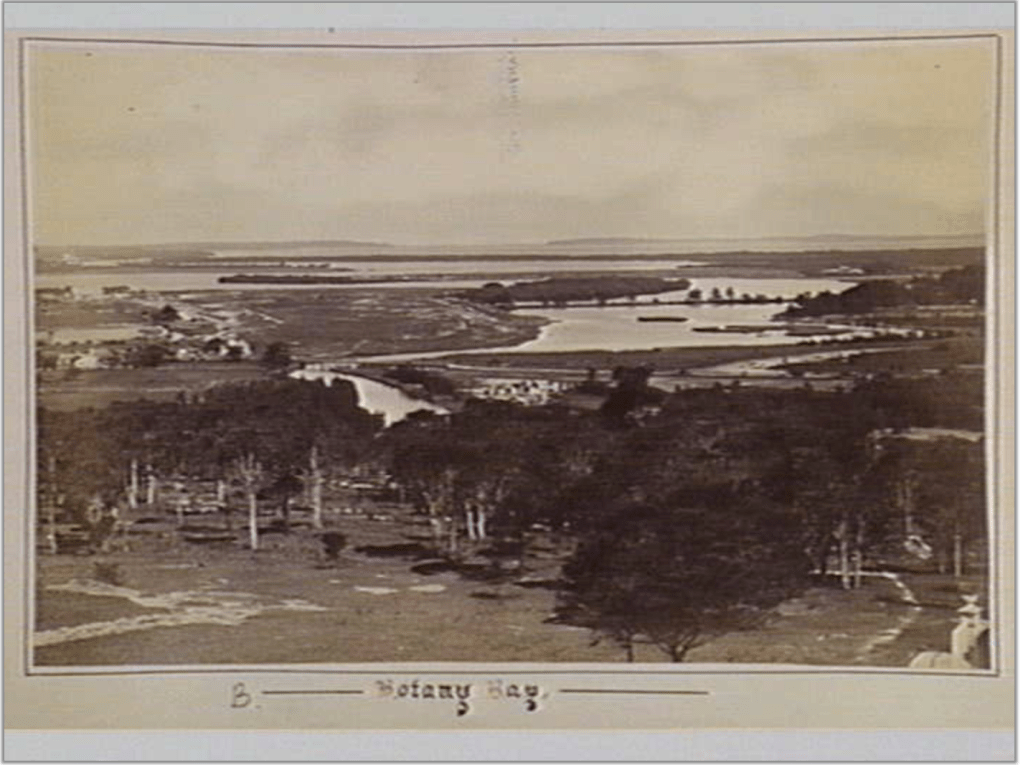
In the landscape of Australian history, few events loom as large or significant as the arrival of the First Fleet at Botany Bay in 1788. This seminal moment marked the beginning of European settlement on the continent, forever altering its cultural landscape and shaping its future trajectory. Delving into the significance of this historic event unveils a complex tapestry of exploration, colonization, and cultural exchange.
- The Arrival of the First Fleet:
- The First Fleet, comprising eleven ships, set sail from England in 1787 under the command of Captain Arthur Phillip.
- After a grueling journey of over eight months, the fleet reached the shores of Botany Bay on January 18, 1788, marking the commencement of British colonization in Australia.
- Despite initial plans to establish a settlement at Botany Bay, Captain Phillip deemed it unsuitable, eventually leading the fleet to relocate to Port Jackson, where Sydney Cove was established as the first European settlement.
- The Significance of European Settlement:
- The arrival of the First Fleet heralded a new era in Australian history, one characterized by the imposition of European governance, laws, and societal structures on Indigenous lands.
- European settlement brought profound and enduring changes to Australia’s environment, economy, and social fabric, laying the foundations for modern Australian society.
- However, this period also witnessed the dispossession, displacement, and marginalization of Indigenous peoples, leading to profound social and cultural upheaval.
- Cultural Impact and Legacy:
- The legacy of the First Fleet’s arrival reverberates through contemporary Australian culture, shaping national identity, narratives of belonging, and debates surrounding reconciliation and justice.
- The history of European settlement remains a contentious and sensitive topic, sparking ongoing discussions about historical truth-telling, reconciliation, and the rights of Indigenous peoples.
- Efforts to reckon with the legacies of colonization have led to initiatives such as truth and reconciliation commissions, land rights movements, and efforts to preserve and promote Indigenous languages, cultures, and knowledge systems.
- Reflections on Identity and National Narrative:
- The story of the First Fleet’s arrival is woven into the fabric of Australia’s national narrative, symbolizing both triumph and tragedy, progress and injustice.
- As Australia grapples with its colonial past and seeks to forge a more inclusive and equitable future, the significance of acknowledging and confronting the complexities of history becomes increasingly apparent.
- Through education, commemoration, and dialogue, Australians strive to honor the diverse and interconnected histories that have shaped the nation, recognizing the contributions and resilience of Indigenous peoples alongside the experiences of later waves of migration and settlement.
Conclusion: The arrival of the First Fleet at Botany Bay in 1788 stands as a pivotal moment in Australian history, marking the beginning of a new chapter characterized by European colonization and its far-reaching consequences. As Australia navigates the complexities of its past and charts a course for the future, confronting the legacies of colonization and fostering greater understanding, empathy, and reconciliation remain imperative. By acknowledging the significance of this historic event and its ongoing implications, Australians can work towards a more just, inclusive, and compassionate society for all.
 History Class Australia
Leave a comment