

March 4, 1899, marked a tragic day in Queensland’s history. A ferocious cyclone, later known as the Mahina Cyclone, unleashed its fury upon Bathurst Bay, leaving behind a trail of destruction and claiming over 300 lives. As we reflect on this catastrophic event, we’re reminded not only of its significance in history but also of the enduring issues surrounding cyclones and our evolving approach to disaster preparedness.
The Mahina Cyclone, named after the Aboriginal word for “moon,” struck with unprecedented force, catching the unsuspecting residents of Bathurst Bay off guard. With wind speeds exceeding 200 kilometers per hour and a storm surge that inundated coastal settlements, the cyclone wreaked havoc on everything in its path. Entire communities were swept away, leaving behind a scene of unimaginable devastation.

he Mahina Cyclone remains etched in Queensland’s history as one of the deadliest natural disasters to ever hit the region. Its sheer magnitude and the staggering loss of life serve as a stark reminder of the destructive power of cyclones and the importance of adequate preparedness measures. The event prompted a reassessment of cyclone forecasting and warning systems, leading to advancements in meteorological technology and disaster response strategies.
Despite the progress made in cyclone preparedness over the years, we continue to face significant challenges in mitigating the impact of these devastating storms. Climate change has contributed to the intensification of cyclones, making them more frequent and unpredictable. Coastal development and population growth have also increased the vulnerability of communities to storm surges and flooding.
Moreover, socio-economic factors often exacerbate the effects of cyclones, with marginalized communities bearing the brunt of the damage. Limited access to resources, inadequate infrastructure, and a lack of awareness about evacuation procedures further compound the challenges faced during cyclone events.
In the wake of the Mahina Cyclone and subsequent disasters, there has been a concerted effort to improve cyclone preparedness and response mechanisms. Government agencies, meteorological organizations, and community groups have collaborated to develop comprehensive disaster management plans tailored to the unique needs of cyclone-prone regions.
Advancements in technology, such as satellite imagery and computer modeling, have revolutionized cyclone forecasting, providing more accurate predictions and longer lead times for evacuation efforts. Early warning systems and public education campaigns have also played a crucial role in raising awareness and promoting proactive measures to safeguard lives and property.
Community resilience has emerged as a cornerstone of cyclone preparedness, with emphasis placed on building stronger, more resilient infrastructure and fostering a culture of disaster readiness. Local communities are encouraged to develop their own disaster management plans, establish evacuation routes, and stockpile emergency supplies to ensure they can weather the storm.
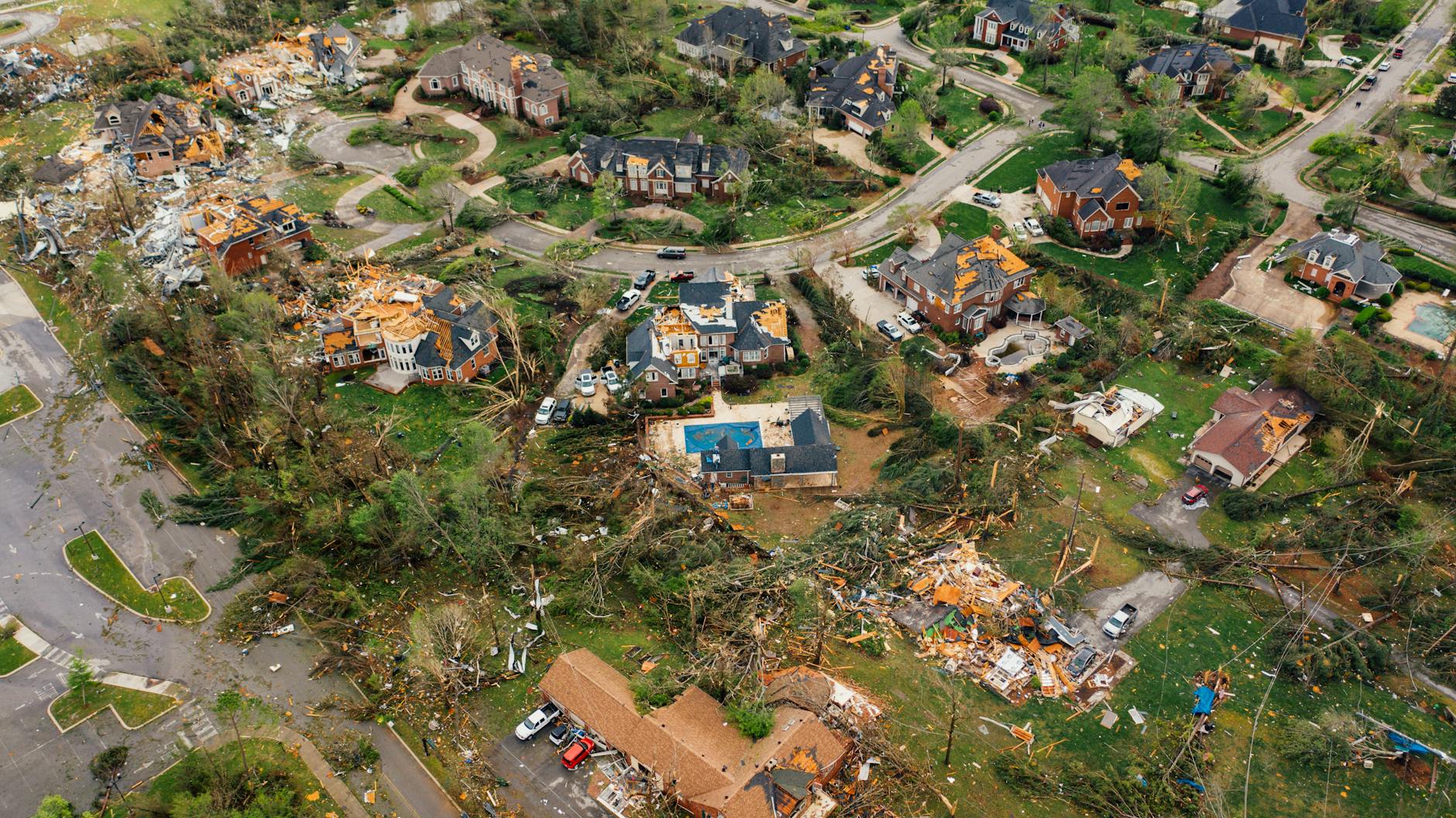
As we commemorate the anniversary of the Mahina Cyclone, we must acknowledge the progress that has been made in cyclone preparedness while remaining vigilant in the face of future threats. Climate change continues to pose significant challenges, requiring ongoing adaptation and mitigation efforts to minimize the impact of cyclones on vulnerable communities.
By learning from the lessons of the past and embracing innovative solutions, we can better equip ourselves to confront the challenges posed by cyclones and build more resilient communities for generations to come. The legacy of the Mahina Cyclone serves as a poignant reminder of the importance of unity, resilience, and preparedness in the face of nature’s most formidable forces.
 History Class Australia
Leave a comment