
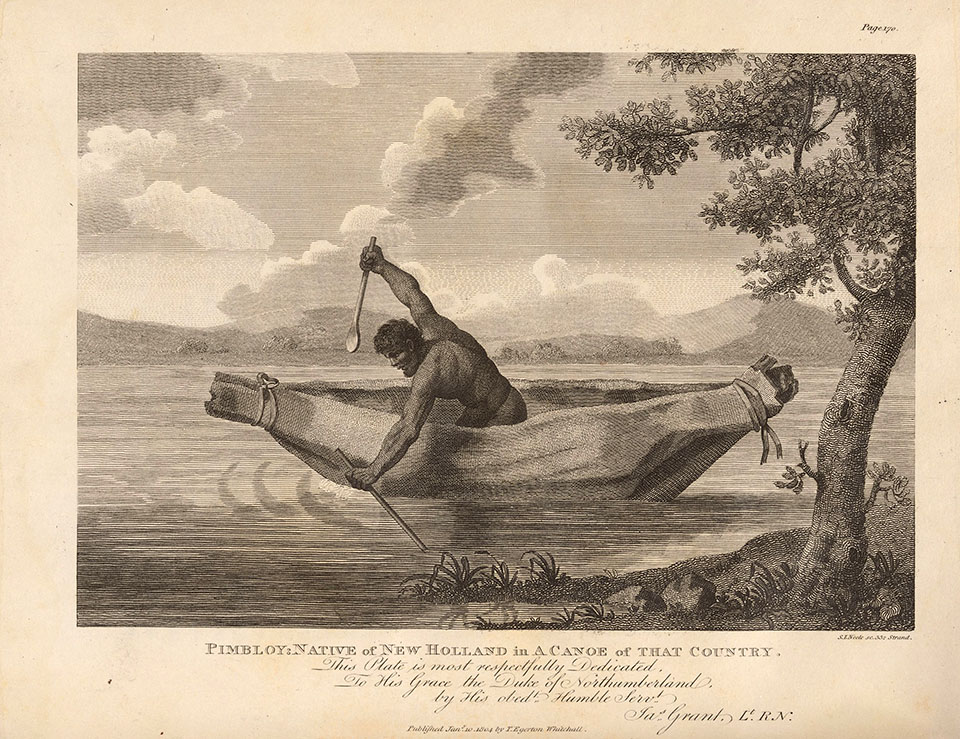
In the early light of an Australian dawn in the year 1802, amidst the eucalyptus trees and the whispering winds of the land Down Under, a figure stood, his silhouette etched against the rising sun. His name was Pemulwuy, a warrior of the Bidjigal people, a man whose life had been woven into the fabric of resistance against colonial encroachment.
Pemulwuy’s story begins years before, in the shadow of another dawn, when the first ships of British settlers cast their gaze upon the shores of the ancient land. It was a time of upheaval, of clashes between cultures, and of a struggle for survival unlike any the land had ever seen. In 1797, Pemulwuy had been gravely wounded by a gunshot, yet he had defied death’s grasp, emerging from the brink of mortality with a fierce determination burning in his heart.
Despite his injury, Pemulwuy continued to lead his people in acts of defiance against the British . His name became synonymous with resistance, his exploits whispered around campfires and passed down through generations. But as the years wore on, the noose of colonial authority tightened, and Pemulwuy found himself hunted like a beast.
It was in the year 1802 that the final chapter of Pemulwuy’s saga unfolded. Cornered by British forces, he stood tall, his eyes blazing with defiance, as the crack of gunfire echoed through the air. In that moment, a legend fell, his spirit ascending to join the ranks of the ancestors, leaving behind a legacy that would endure far beyond his mortal years.
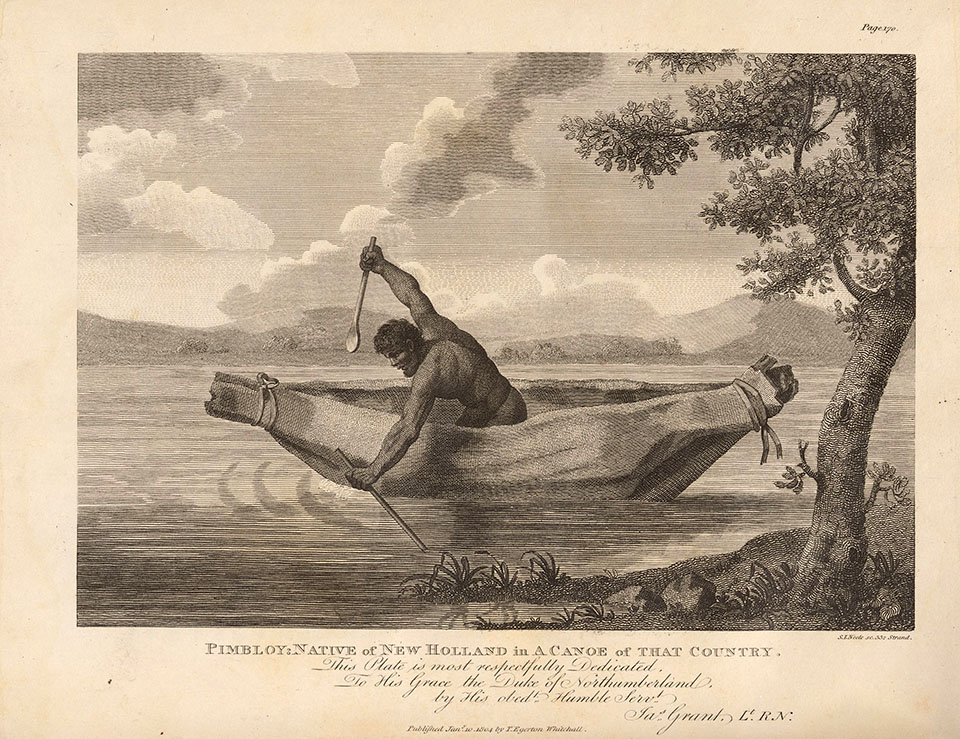
The significance of Pemulwuy’s life and death reverberates through the annals of Australian history, casting a long shadow over the nation’s past and present. His story serves as a reminder of the resilience and strength of Indigenous peoples in the face of colonization, a testament to the enduring spirit of resistance that courses through the veins of the land.
Pemulwuy’s defiance paved the way for future generations of Indigenous leaders and activists, inspiring them to stand up against injustice and to reclaim their rightful place as custodians of the land. His name serves as a rallying cry for those who seek justice and reconciliation, a symbol of hope in a landscape scarred by centuries of oppression.
But perhaps most importantly, Pemulwuy’s legacy challenges us to confront the darker chapters of our nation’s history, to acknowledge the injustices of the past, and to work towards a future built on mutual respect and understanding. His story is not just a tale of resistance, but a call to action, urging us to strive for a more equitable and inclusive society for all who call Australia home.
As the sun sets on another day in the vast expanse of the Australian wilderness, Pemulwuy’s spirit lives on, his memory etched into the very fabric of the land itself. And though he may have fallen in battle, his legacy endures, a beacon of hope and inspiration for generations yet to come.
 History Class Australia
Leave a comment