
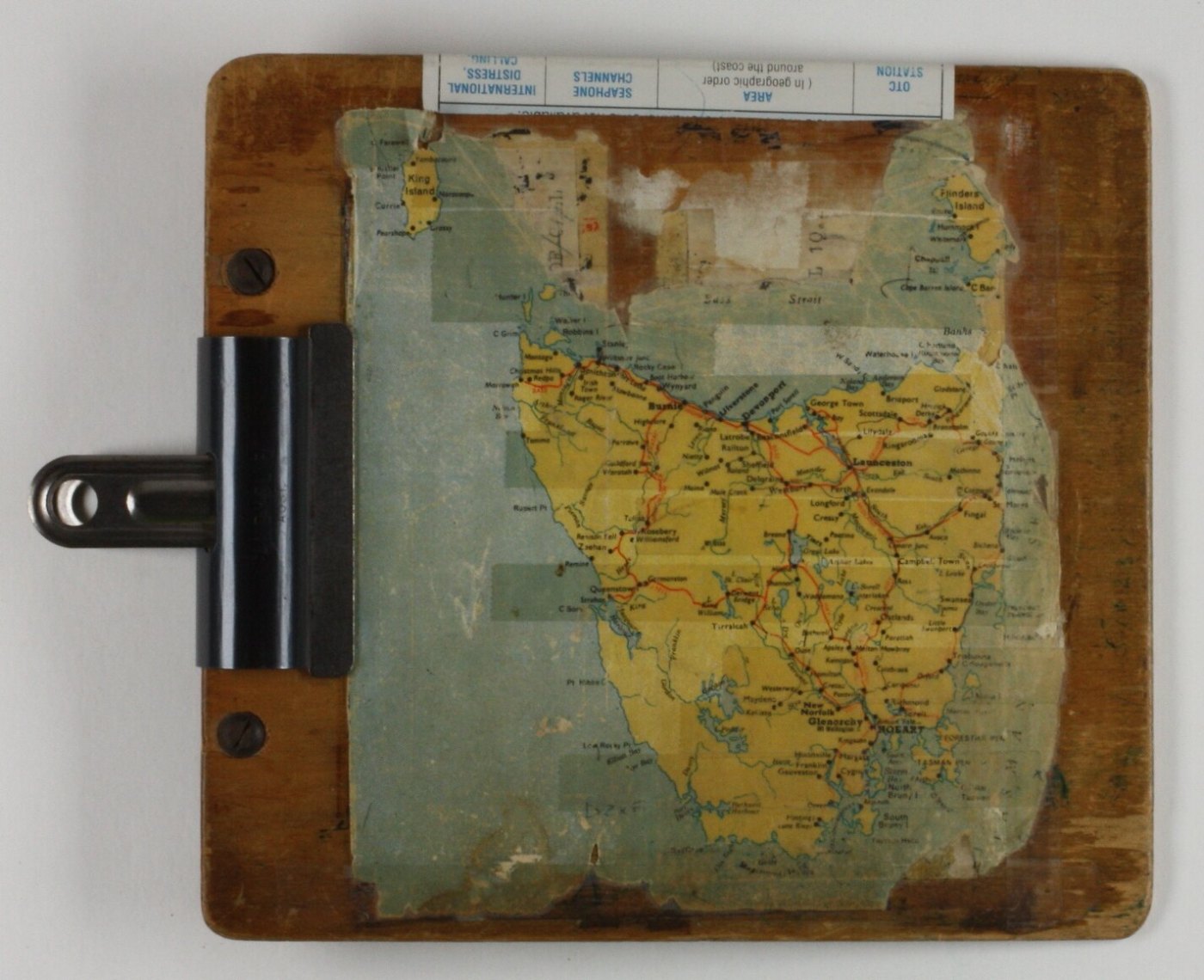
Van Diemen’s Land, known today as Tasmania, holds a significant place in history. Its transformation from a brutal penal settlement to an independent colony in 1825 marked a pivotal moment in the nation’s narrative. This article delves into the events surrounding this transition and explores its enduring significance.
an Diemen’s Land began as a harsh penal colony established by the British Empire in 1803. Its remote location, separated from mainland Australia by the treacherous Bass Strait, made it an ideal site for housing the most hardened of convicts. However, as the settlement grew, so did the need for governance beyond mere penal management.
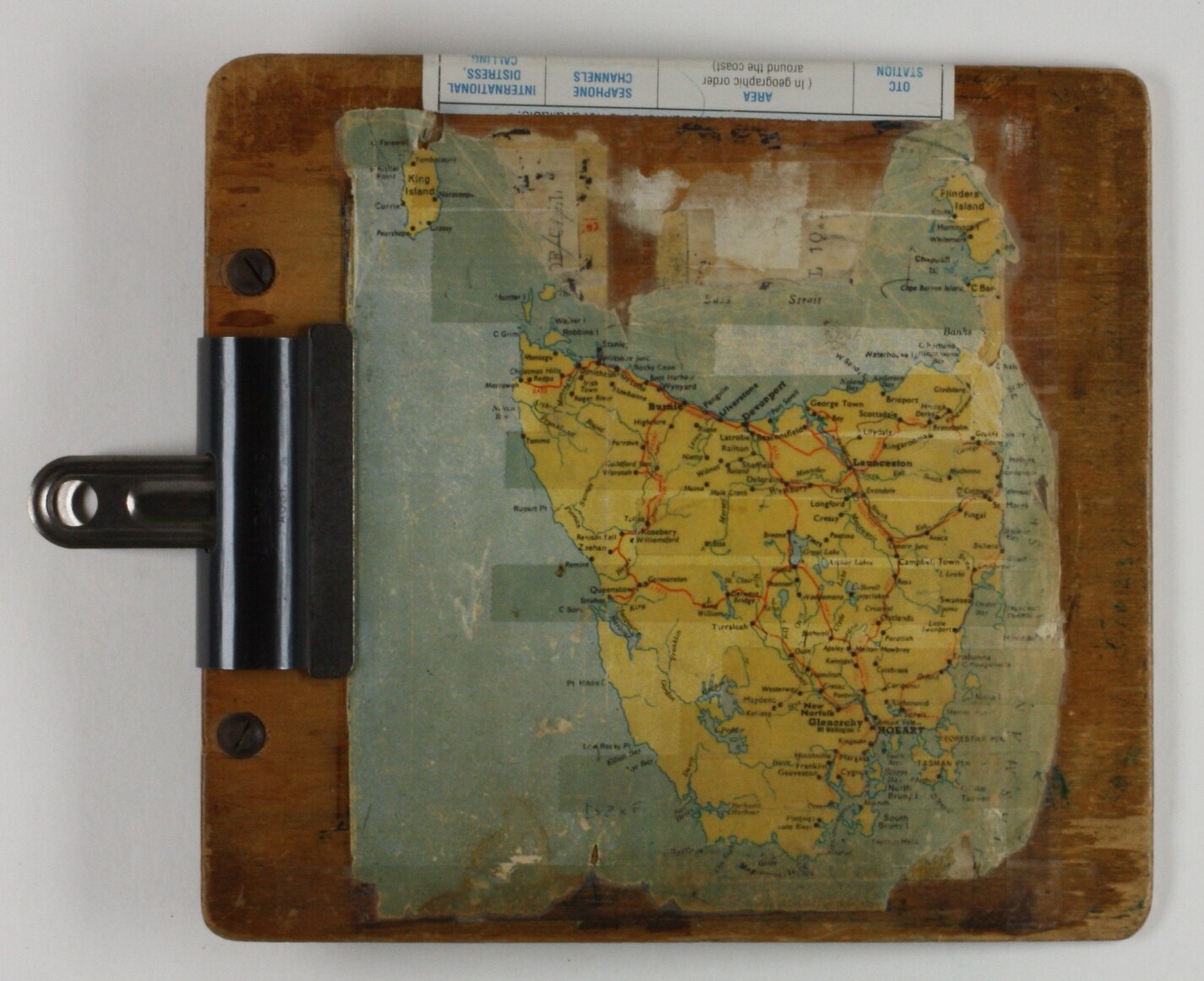
The year 1825 marked a turning point for Van Diemen’s Land. On the 3rd of December, the colony was officially separated from New South Wales, gaining its own independent administration. This move came as a response to the increasing population and economic activity in the region, signaling a recognition of its growing importance within the British Empire.
With its newfound status as an independent colony, Van Diemen’s Land embarked on a journey of self-discovery and development. The influx of free settlers and the establishment of industries such as agriculture and mining transformed the colony’s economy. Towns sprang up, and infrastructure projects were initiated to connect the burgeoning communities.
However, this period also saw the dark shadow of conflict cast over the land. The dispossession of Indigenous peoples from their traditional lands and the violent clashes that ensued marred the colony’s history. The Black War, a series of conflicts between settlers and Indigenous Tasmanians, culminated in widespread bloodshed and the tragic loss of lives.
The transition of Van Diemen’s Land to an independent colony holds immense significance in Australian history for several reasons. Firstly, it marked a crucial step towards the eventual formation of the Australian nation. The establishment of self-governing colonies laid the groundwork for the federation of Australia in 1901.
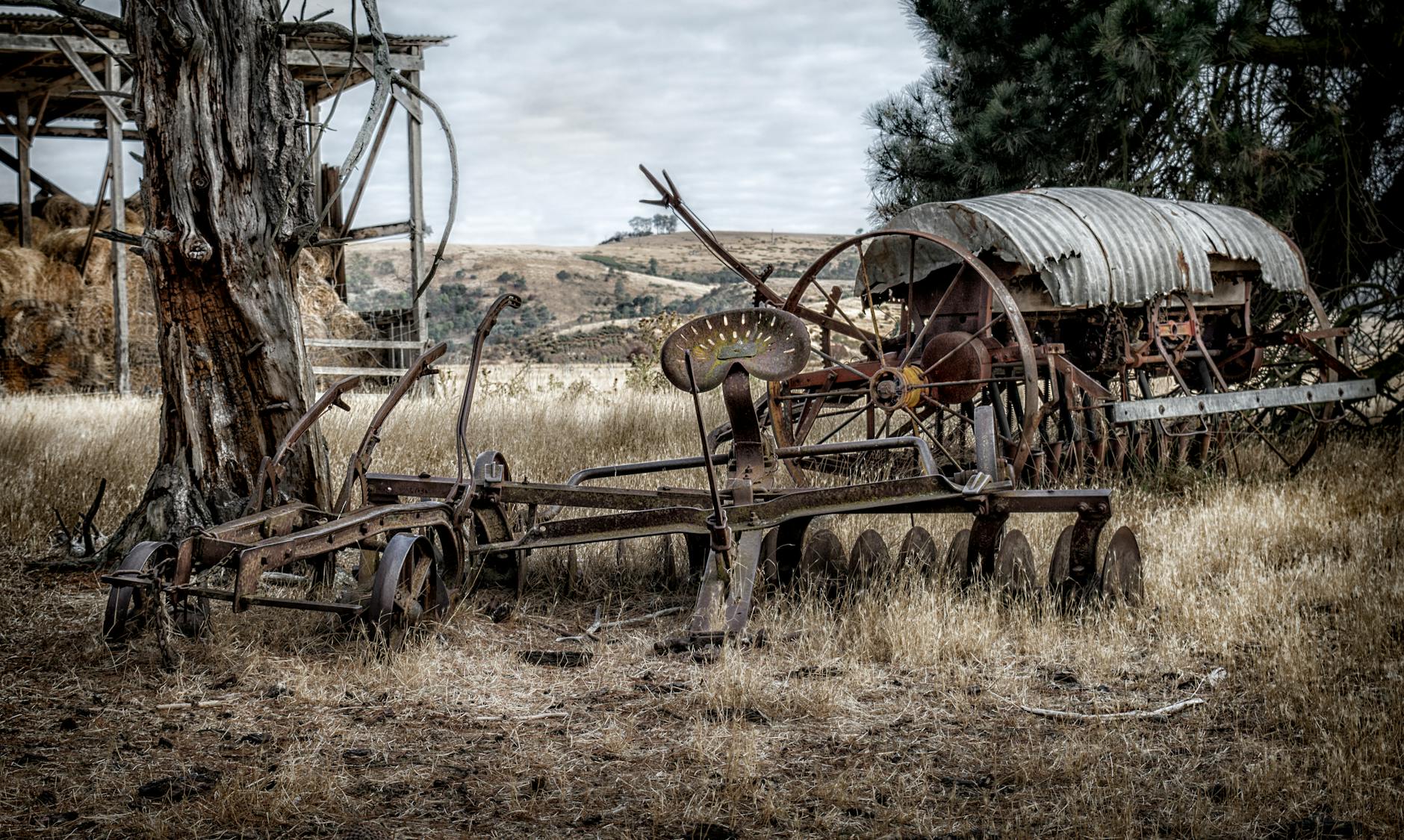
Moreover, Van Diemen’s Land serves as a poignant reminder of the complexities and injustices of Australia’s colonial past. The scars of its convict history and the frontier violence against Indigenous peoples continue to shape the nation’s identity and ongoing reconciliation efforts.
In the span of just a few decades, Van Diemen’s Land evolved from a distant penal outpost to a thriving independent colony. Its journey reflects the broader trajectory of Australian history, marked by resilience, struggle, and transformation. By understanding and acknowledging this history, we honor the diverse experiences that have shaped the nation we know today.
 History Class Australia
Leave a comment