

World War II stands as one of the most pivotal periods in human history, a time when the world was plunged into a maelstrom of conflict and chaos. As nations rallied their resources and citizens to the cause, Australia found itself deeply embroiled in the struggle against tyranny. With the spectre of conscription looming large, the nation faced a profound moral and societal reckoning. In this blog post, we delve into the impact of conscription in Australia during World War II, exploring its significance in shaping the nation’s history and the lives of its people.
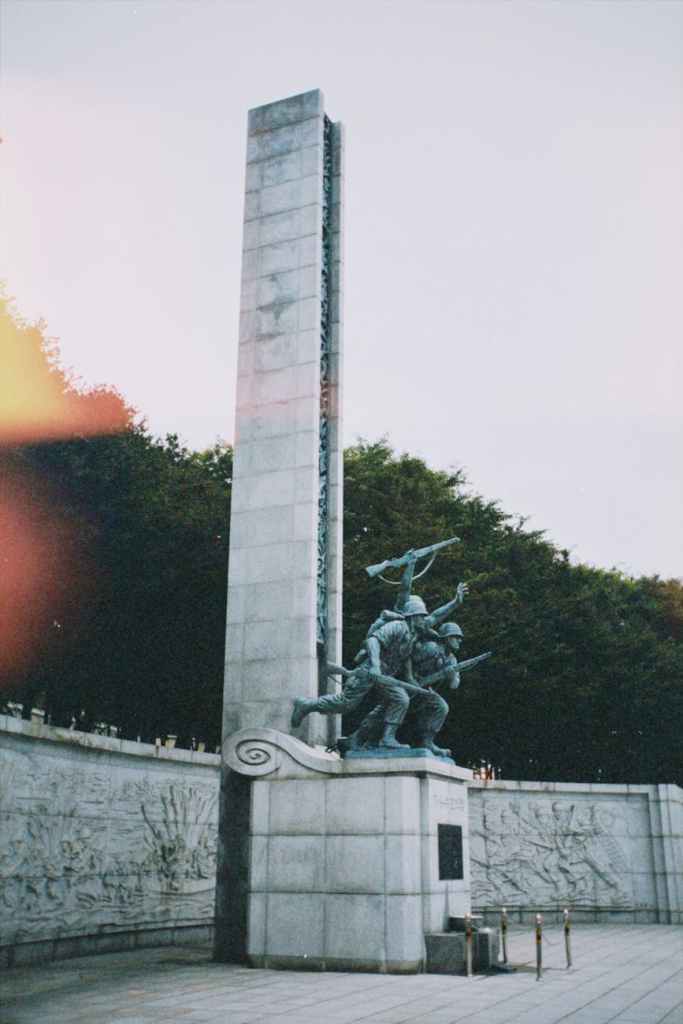
The Stage is Set: In the aftermath of World War I, Australia, like many nations, grappled with the scars of conflict and the daunting prospect of yet another global conflagration. As tensions mounted across the world in the late 1930s, the spectre of war once again cast its shadow over the Australian continent. With the outbreak of World War II in 1939, Australia swiftly rallied to support its allies and defend its shores against the rising tide of fascism.
The Call to Arms: As the war intensified and the demand for manpower grew, the Australian government faced the daunting task of bolstering its military ranks. While voluntary enlistment initially met the need for soldiers, the escalating demands of the war soon outpaced recruitment efforts. In response, the government turned to conscription as a means of meeting its military obligations.
The Divisive Debate: The introduction of conscription sparked fierce debate and controversy across Australia. While some saw it as a necessary measure to ensure the nation’s survival, others viewed it as an infringement on personal liberties and a betrayal of democratic principles. The issue divided communities, families, and even political parties, laying bare the deep-seated tensions simmering beneath the surface of Australian society.
Impact on Society: Conscription had far-reaching effects on Australian society, reshaping communities and altering the fabric of everyday life. Families faced the heart-wrenching prospect of loved ones being called away to war, while those left behind grappled with the uncertainty and fear that accompanied their absence. The social and economic impacts of conscription were profound, with industries mobilizing for war production and women taking on new roles in the workforce to fill the void left by departing soldiers.
The Human Cost: Beyond the logistical and economic implications, conscription exacted a heavy toll on the individuals who bore its burden. Young men, many barely out of their teens, found themselves thrust into the crucible of war, facing untold horrors on distant battlefields. For some, conscription meant the ultimate sacrifice, as they laid down their lives in service to their country. For others, it left lasting scars, both physical and psychological, that would haunt them long after the guns fell silent.
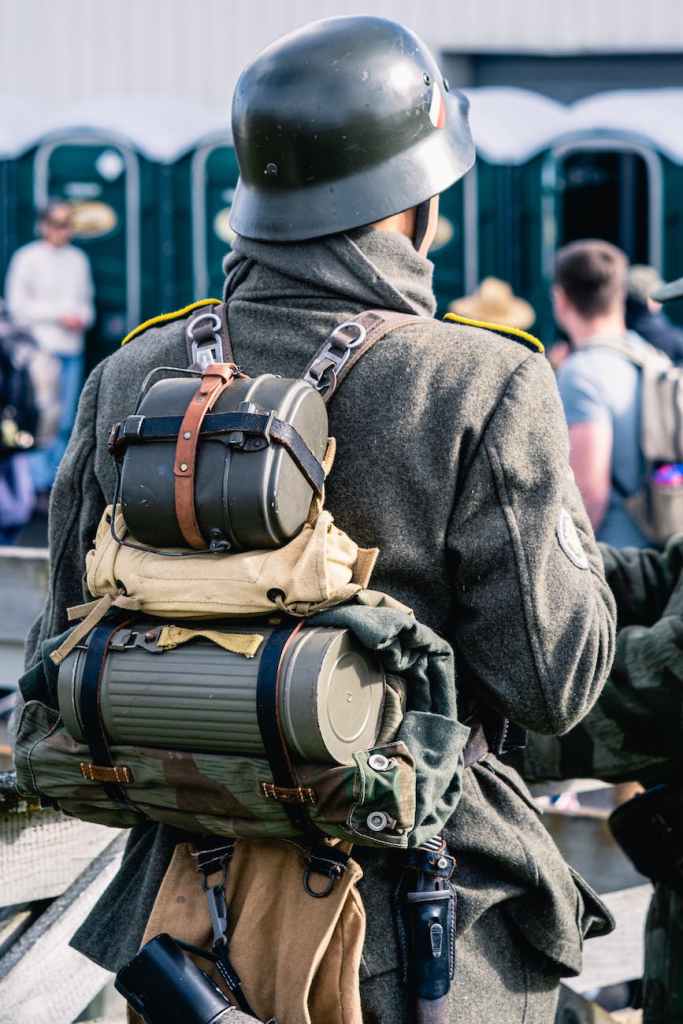
Legacy and Importance: The legacy of conscription in Australia during World War II looms large in the nation’s history, serving as a poignant reminder of the sacrifices made by past generations in defence of freedom and democracy. It remains a symbol of the resilience and determination of the Australian people in the face of adversity, and a testament to the enduring values that bind the nation together.
Conclusion: As we reflect on the impact of conscription in Australia during World War II, we are reminded of the profound influence that war can exert on societies and individuals alike. It is a story of sacrifice and struggle, of courage and resilience in the face of overwhelming odds. And as we honour the memory of those who served, let us also reaffirm our commitment to the ideals for which they fought, ensuring that their legacy endures for generations to come.
 History Class Australia
Leave a comment