
It’s 1932, post-World War I, and Australia is grappling with the aftermath of the Great Depression. Times are dire, families are struggling its not a faithful era throughout Australia. In the rural landscapes of Western Australia, a very unique and unexpected conflict unfolds, one that involves not human adversaries, but the flightless and seemingly harmless emus.
But before we delve into the war, let’s set the stage. Why were the emus causing such a fuss, and how did they become the centre of attention in Australian history?
Emus, native to Australia, were faced with a significant challenge during the 1930s. The end of World War I had seen many Australian soldiers returning home, and the government, in an attempt to assist them, offered land for farming. This was both a reward and opportunity to rebuild their lives after fighting for our country. The catch? These soldiers were given land in Western Australia, particularly around Campion and Walgoolan, areas that also happened to be prime emu territory.
The emus, with their large numbers and ravenous appetites, soon found the newly cultivated farmlands to be a paradise. There were crops and farmlands in abundance, this was a dream come true for the farmers. But a nightmare of disappearing crops and flocks upon flocks of emus destroying their farmland. Unfortunately, this led to a clash between the farmers and the emus, as the feathered invaders wreaked havoc on crops, destroying fences and decimating the livelihoods of those struggling to make ends meet.
Enter Major G.P.W. Meredith, a war veteran and farmer, who was tasked with finding a solution to the emu problem. The Australian government, in an attempt to curb the growing emu population, provided Meredith with two Lewis machine guns and 10,000 rounds of ammunition. Yes, you heard that right – machine guns against emus.
The plan was simple, use the machine guns to thin out the emu population and protect the farmers’ crops. However, what seemed straightforward on paper turned out to be a comical and ultimately futile Endeavor.
The battlefield? The vast and open plains of Western Australia. The emus, known for their agility and speed, proved to be formidable opponents. The soldiers found it challenging to target the fast-moving birds, and the emus, displaying their own brand of military tactics, often scattered in all directions, making them difficult to pin down.
The emus were quick learners, adapting to the soldiers’ strategies. They would split into smaller groups, making it nearly impossible for the machine guns to make a significant impact. Absolutely frustrated and stunned, the soldiers were using up ammunition, funds, time and not getting any results with the crops still suffering and farmlands destroyed.
Despite their best efforts, the soldiers, after a few weeks of engagement, realized the futility of the campaign. After two months, fewer than 1,000 emus were reported killed. The media back home caught wind of the peculiar conflict, and soon, the Great Emu War became a source of both amusement and embarrassment for the Australian government.
In the end, the government decided to withdraw its forces from the emu battleground. Major Meredith himself admitted defeat, stating that the emus were “invulnerable to bullets.” The war, was over.
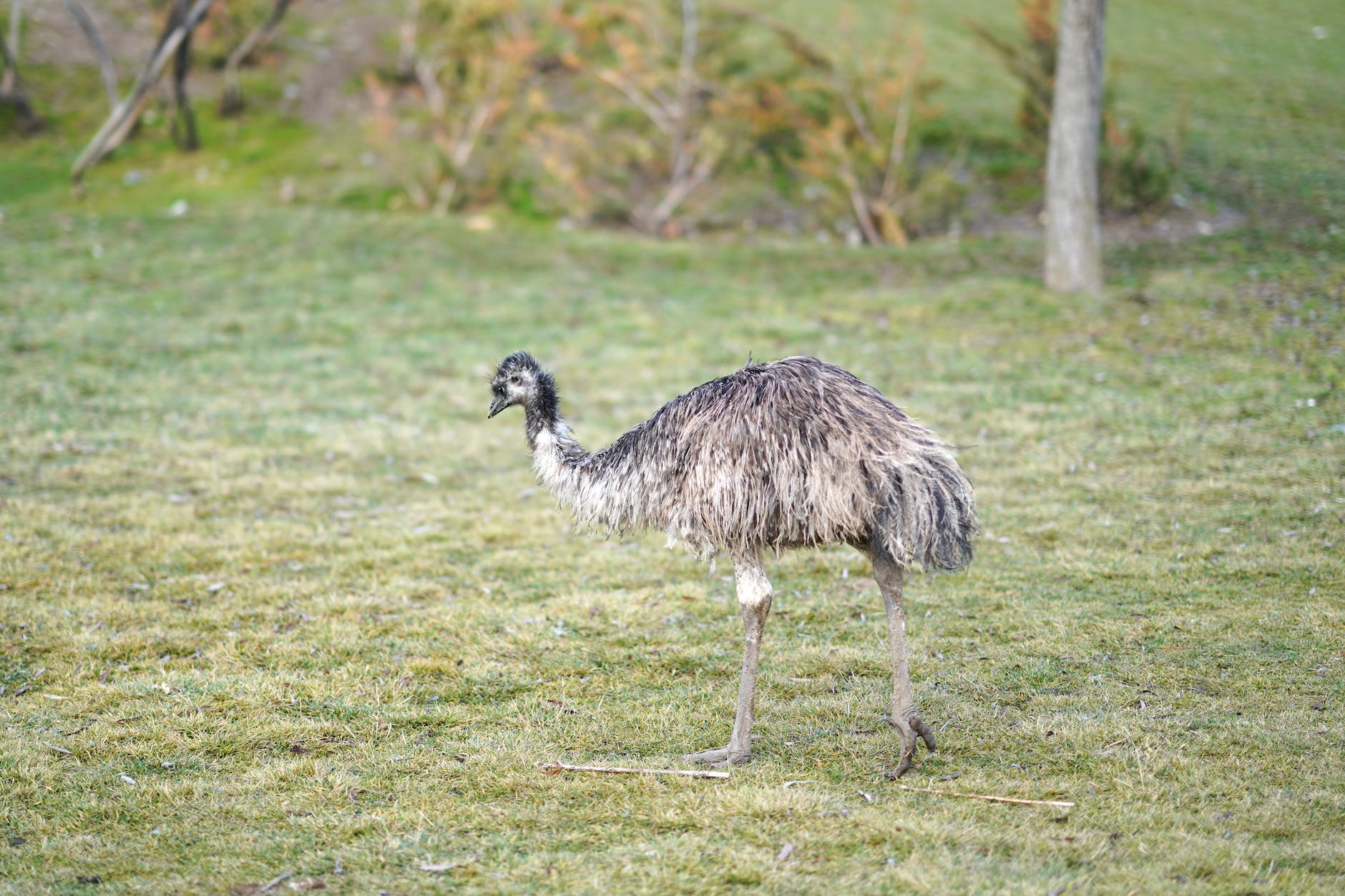
So, why do we still talk about the Great Emu War today? Well, beyond its sheer absurdity, the event highlights the challenges faced by Australia during the Great Depression. It also serves as a reminder of the delicate balance between human development and the preservation of native wildlife.
Today, emus roam freely in Australia, protected by conservation efforts and admired for their unique place in the country’s natural heritage. The Great Emu War may have been a humorous footnote in history, but it also raises important questions about human-wildlife interactions and the consequences of our attempts to control nature.
And there you have it, mates the fascinating and bizarre tale of the Great Emu War. If you enjoyed this deep dive into history, don’t forget to hit that like button, subscribe for more content, and let us know in the comments which historical events you’d like us to explore next.
 History Class Australia
Leave a comment