
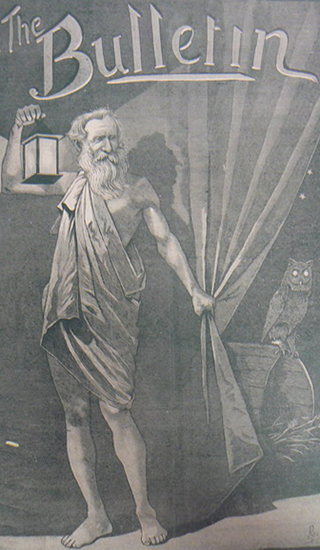
As the first light of dawn illuminated the Australian landscape on January 31, 1880, it heralded the birth of an institution that would resonate through the corridors of time – The Bulletin magazine. Today, as we mark its 144th anniversary since the publication of its inaugural issue, it’s worth reflecting on the indelible mark this magazine has left on Australian history, culture, and the evolution of media.
The Bulletin emerged during a pivotal era in Australian history. The late 19th century was a time of profound transformation, as the fledgling nation grappled with questions of identity, nationhood, and independence. Against this backdrop, The Bulletin positioned itself as the voice of the Australian people, championing causes and sparking debates that would shape the course of the nation.
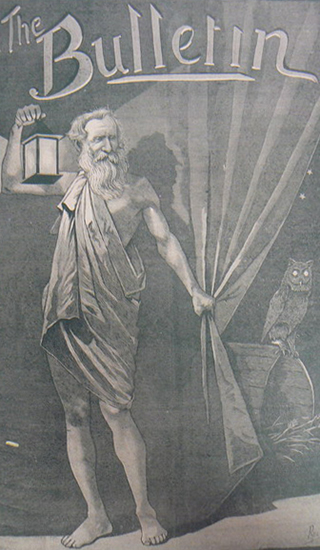
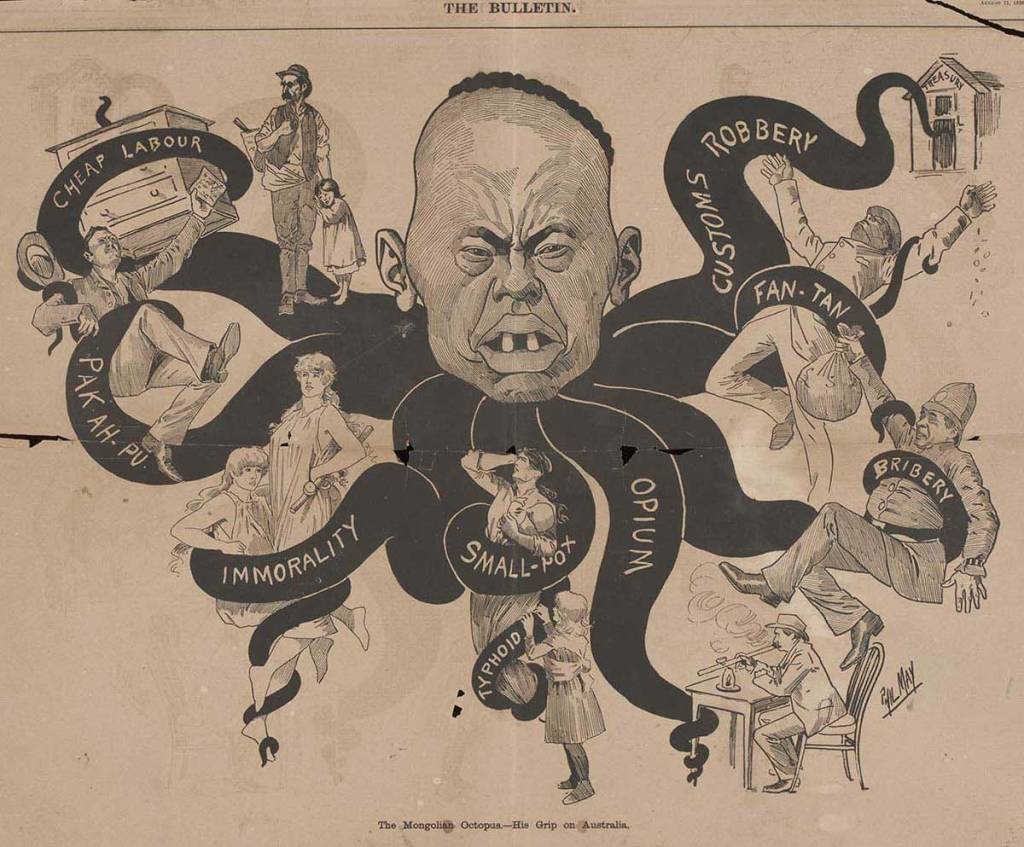
One of the magazine’s most enduring legacies lies in its coverage of major social, political, and cultural issues. From the push for Federation to the struggles of the labor movement, The Bulletin served as a forum for impassioned discourse and dissent. Its pages brimmed with articles, essays, and cartoons that tackled everything from colonial politics to bush poetry, reflecting the diverse tapestry of Australian life.
In the realm of literature, The Bulletin played a pivotal role in nurturing and promoting Australian writers. It provided a platform for emerging talents such as Henry Lawson and Banjo Paterson, whose works would come to define the Australian literary canon. Through its pages, the magazine celebrated the unique vernacular and spirit of the Australian bush, helping to forge a distinct national identity.
Beyond its literary and political contributions, The Bulletin held a mirror to Australian society, reflecting its triumphs, challenges, and contradictions. It chronicled the joys and hardships of everyday life, capturing the essence of a nation in flux. From the bustling streets of Sydney to the vast expanses of the Outback, its reporters traversed the length and breadth of the continent, chronicling the pulse of the nation.
However, as we reflect on The Bulletin’s rich legacy, it’s essential to acknowledge the seismic shifts that have reshaped the media landscape in the 21st century. In 1880, the magazine stood as a beacon of print journalism in an era defined by ink and paper. Today, the digital revolution has ushered in a new era of media consumption, transforming the way we access, consume, and engage with information.
In the digital age, the boundaries between creator and audience have blurred, with social media platforms and online forums democratizing the dissemination of news and opinion. While The Bulletin once wielded unparalleled influence as a gatekeeper of information, today’s media landscape is characterized by fragmentation and decentralization, with an abundance of voices vying for attention in an increasingly crowded marketplace of ideas.
Moreover, the rise of digital media has brought both opportunities and challenges for journalism. While it has expanded the reach and accessibility of information, it has also given rise to concerns about misinformation, echo chambers, and the erosion of traditional journalistic standards. In this brave new world, the role of the journalist as a trusted custodian of truth and integrity has never been more crucial.
As we celebrate the anniversary of The Bulletin magazine, we pay tribute to its enduring legacy as a beacon of Australian insight and identity. From its humble beginnings in 1880 to its profound impact on the nation’s history, culture, and consciousness, it remains a testament to the power of journalism to inform, inspire, and provoke. And as we navigate the ever-changing currents of the 21st century media landscape, we do so with the knowledge that the spirit of The Bulletin lives on in the heart of every Australian who seeks to understand, engage, and shape the world around them.
 History Class Australia
Leave a comment