
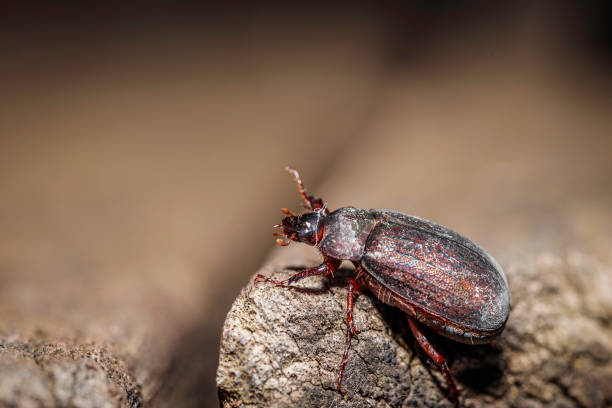
In 1968, Australia welcomed an unlikely hero into its ecosystems: the dung beetle. This unassuming creature, often overlooked, played a pivotal role in shaping Australia’s history and continues to be of immense importance in modern-day Australia. Let’s delve into the intriguing story of the dung beetle’s introduction, its historical significance, and its enduring impact on Australia’s landscape and agriculture.
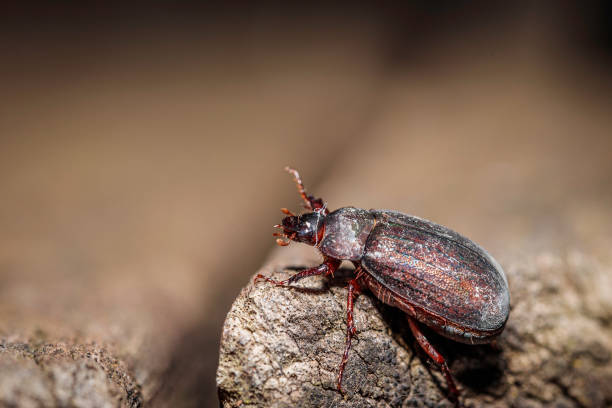
The Introduction of the Dung Beetle:
The decision to introduce the dung beetle to Australia was not a random one but rather a strategic response to a pressing environmental problem. In the 1960s, Australia was grappling with the invasive presence of cattle and their copious amounts of dung. This dung, left unchecked, posed significant challenges to agricultural productivity and environmental health. Enter the dung beetle, heralded as nature’s waste management expert.
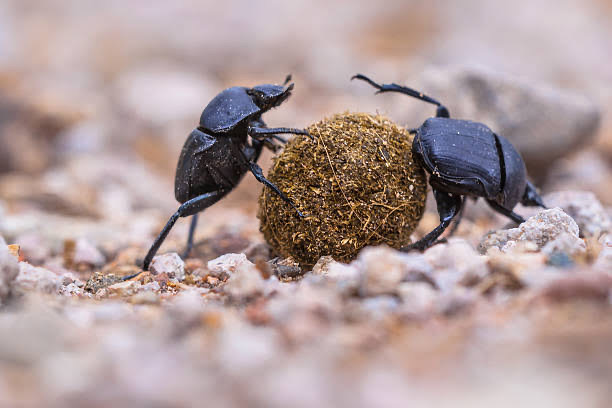
The primary reason for introducing the dung beetle was its remarkable ability to break down and recycle dung. By burying dung underground, dung beetles not only reduced the presence of unsightly dung piles but also improved soil fertility and reduced the breeding grounds for pests such as flies. The initiative was hailed as a win-win solution for both farmers and the environment.
Importance in Australia’s History:
The arrival of the dung beetle marked a pivotal moment in Australia’s environmental management strategies. It showcased the country’s willingness to embrace innovative solutions to tackle pressing ecological challenges. The success of the dung beetle introduction demonstrated the efficacy of biological control methods in mitigating the impact of invasive species on native ecosystems.
Furthermore, the dung beetle’s integration into Australia’s agricultural practices symbolized a shift towards sustainable farming practices. Farmers saw firsthand the benefits of natural waste management systems in improving soil health and enhancing crop yields. The dung beetle became a symbol of environmental stewardship and responsible land management.
Importance in Modern-Day Australia:
Fast forward to modern-day Australia, and the dung beetle’s legacy endures. Its ongoing presence in Australia’s ecosystems continues to provide invaluable ecological services. By efficiently recycling dung, dung beetles contribute to nutrient cycling, soil aeration, and pest control, thereby promoting healthy and productive landscapes.
In an era marked by growing environmental concerns and the need for sustainable practices, the dung beetle remains a key player in Australia’s biodiversity conservation efforts. Its role in maintaining ecosystem balance and resilience cannot be overstated. As Australia grapples with the challenges of climate change and habitat degradation, the dung beetle serves as a reminder of the power of nature-based solutions.
Conclusion:
In conclusion, the introduction of the dung beetle to Australia in 1968 was a transformative moment in the country’s environmental history. From addressing the challenges of invasive species to promoting sustainable agriculture, the dung beetle has left an indelible mark on Australia’s landscape and consciousness. As we navigate the complexities of the modern world, the dung beetle stands as a testament to the enduring value of ecological ingenuity and the profound impact of seemingly small creatures on the larger tapestry of life.
 History Class Australia
Leave a comment