
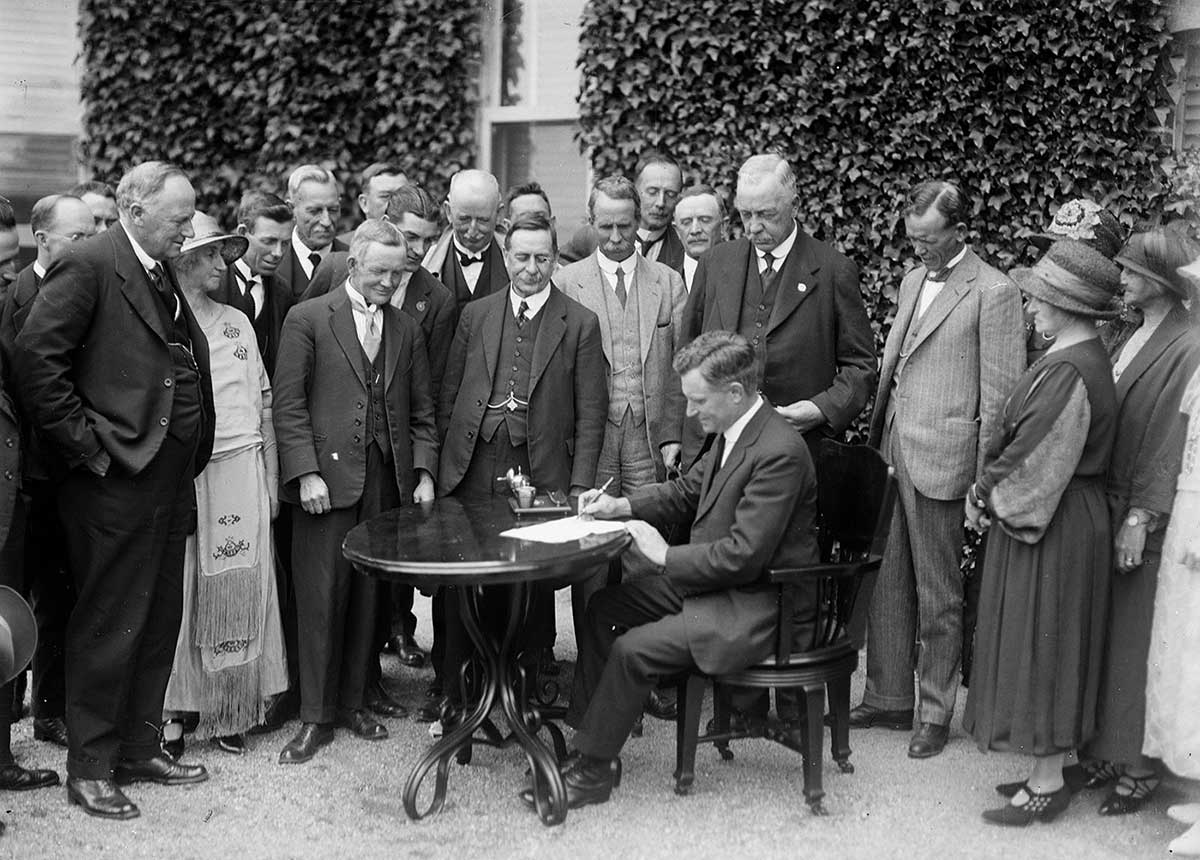
In the vast and rugged landscapes of early 20th-century Australia, a political movement emerged that would come to shape the nation’s history and influence its political landscape for decades to come. Born out of the agrarian discontent and rural concerns of the time, the Australian Country Party, now known as the National Party of Australia, was founded in 1920 with a mission to represent the interests of rural and regional Australians.
The Birth of the Australian Country Party
The aftermath of World War I brought about significant changes in Australia, both socially and economically. As the nation transitioned from a predominantly agrarian society to an industrialized one, rural communities faced unique challenges and felt increasingly marginalized in the political sphere. The establishment of the Australian Country Party in 1920 was a direct response to these challenges, providing a platform for rural voices to be heard and rural issues to be addressed.
Led by prominent figures such as Earle Page, the party quickly gained traction, particularly in rural electorates where it championed policies aimed at supporting farmers, promoting agricultural development, and decentralizing power away from the urban centres. Its formation marked a significant shift in Australian politics, as it challenged the dominance of the major parties and provided a voice for those outside the urban hubs.
Evolution into the Nationalist Party and Beyond
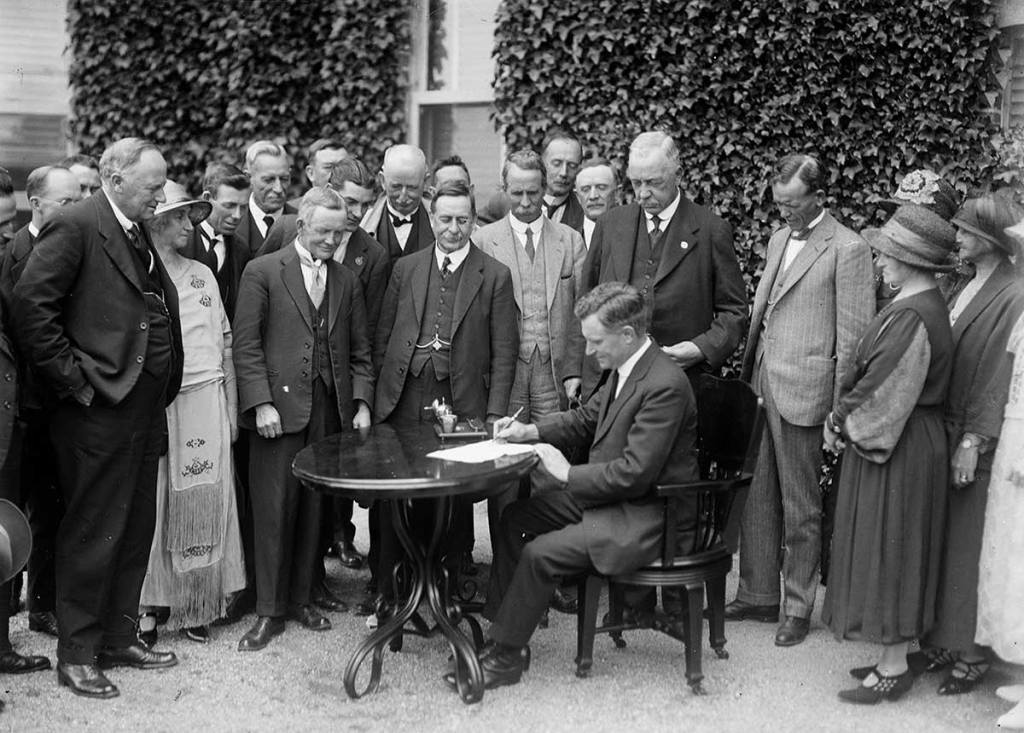
Over the years, the Australian Country Party underwent several transformations, reflecting changes in Australian society and politics. In 1925, it joined forces with the Nationalist Party to form the Country and National Party, which later evolved into the United Australia Party. This alliance allowed rural interests to align with broader conservative agendas, further solidifying the party’s presence in Australian politics.
In 1975, the party adopted its current name, the National Party of Australia, signalling a renewed focus on rural and regional issues while also embracing a broader nationalist identity. Throughout its history, the party has maintained a close relationship with the Liberal Party, often forming coalition governments at both the federal and state levels. This partnership has allowed the Nationals to wield significant influence despite their smaller size, particularly in shaping policies related to agriculture, trade, and regional development.

Importance in Australian History
The Australian Country Party, now the National Party, holds a unique place in the annals of Australian history. Its founding in 1920 represented a turning point in the nation’s political landscape, giving rural Australians a voice and ensuring that their concerns were not overlooked in the corridors of power. Over the years, the party has played a crucial role in shaping policies that impact the lives of millions of Australians living outside the major cities.
From advocating for fair prices for agricultural produce to fighting for improved infrastructure in regional areas, the Nationals have been at the forefront of efforts to address the unique challenges faced by rural communities. Their partnership with the Liberal Party has enabled them to influence government agendas and secure funding for projects that benefit regional Australia, from roads and railroads to healthcare and education.
In today’s rapidly changing world, the National Party continues to adapt and evolve, grappling with new challenges such as climate change, drought, and the digital divide. Yet, its core mission remains unchanged: to represent the interests of rural and regional Australians and ensure that their voices are heard in the halls of power.
Conclusion
The founding of the Australian Country Party in 1920 marked a significant milestone in Australian history, providing a platform for rural voices and shaping the nation’s political landscape for decades to come. From its humble beginnings to its evolution into the National Party of Australia, the party has remained steadfast in its commitment to representing the interests of rural Australians and advocating for policies that promote their prosperity and well-being. As Australia continues to evolve, the National Party stands as a testament to the enduring importance of rural Australia in the nation’s identity and future.
 History Class Australia
Leave a comment