

In the annals of Australian history, there exists a chapter that stands as a poignant reminder of the nation’s journey towards abolishing capital punishment. It revolves around the tragic fate of Ronald Ryan, the last person to be executed in Australia. His story not only serves as a sombre reflection on the ethics of state-sanctioned death but also marks a pivotal moment in Australia’s legal and moral evolution.
In 1967, Ronald Joseph Ryan, a petty criminal, found himself at the centre of a highly contentious debate surrounding the death penalty. Convicted of the murder of prison warder George Hodson during an escape from Pentridge Prison in Victoria, Ryan became the focal point of a nationwide discourse on justice, mercy, and the role of capital punishment in society.
The circumstances of Ryan’s case were shrouded in controversy. Many questioned the fairness of his trial, citing inconsistencies in evidence and witness testimonies. Others argued that his actions were a desperate bid for freedom rather than premeditated murder, urging clemency on humanitarian grounds. Despite fervent appeals for a reprieve, including petitions signed by thousands and pleas from prominent figures, Ryan’s fate seemed sealed.
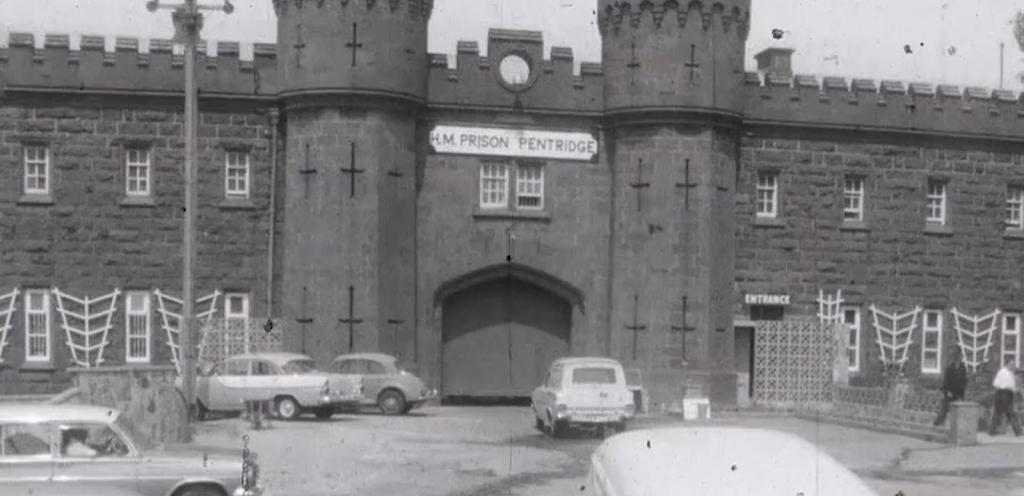
On the morning of February 3, 1967, Ronald Ryan faced the gallows at Pentridge Prison. As the noose tightened around his neck, protesters gathered outside, their voices echoing calls for mercy. Yet, their pleas fell on deaf ears, and Ryan became the unfortunate endpoint of Australia’s capital punishment era.
The execution of Ronald Ryan sent shockwaves throughout the nation, sparking outrage and soul-searching on a scale not witnessed before. It ignited a fervent debate on the morality and efficacy of the death penalty, prompting Australians to confront uncomfortable truths about justice, equality, and the sanctity of human life.
Ryan’s death prompted soul-searching within Australia’s legal and political spheres. It galvanized a movement advocating for the abolition of capital punishment, with lawmakers and activists alike questioning the wisdom of a legal system that permitted the ultimate form of punishment. The momentum generated by Ryan’s execution propelled Australia towards a seismic shift in its approach to justice, paving the way for significant legislative reforms.
In the years following Ryan’s death, public opinion turned decisively against the death penalty. The realization dawned that the irreversible nature of capital punishment left no room for error or redemption, raising troubling questions about the fallibility of the judicial system. Australia’s collective conscience recoiled at the thought of perpetuating a system that could potentially condemn innocent lives to the gallows.

The legacy of Ronald Ryan endures as a testament to the power of collective action and the capacity for societal change. His tragic demise served as a catalyst for reform, inspiring generations of Australians to strive for a more just and humane legal system. In 1984, Victoria became the last Australian state to abolish capital punishment, marking the culmination of a decades-long struggle for abolition.
Today, as we reflect on the death of Ronald Ryan, we are reminded of the importance of vigilance in upholding the principles of justice and human rights. His story serves as a cautionary tale against the perils of unchecked state power and the dangers of forsaking compassion in the pursuit of retribution.
In commemorating Ryan’s life and the events that led to his untimely death, we reaffirm our commitment to a society founded on the values of fairness, mercy, and empathy. May his memory continue to inspire us to strive for a world where justice is tempered with compassion, and where the dignity of every individual is upheld and respected.
 History Class Australia
Leave a comment