
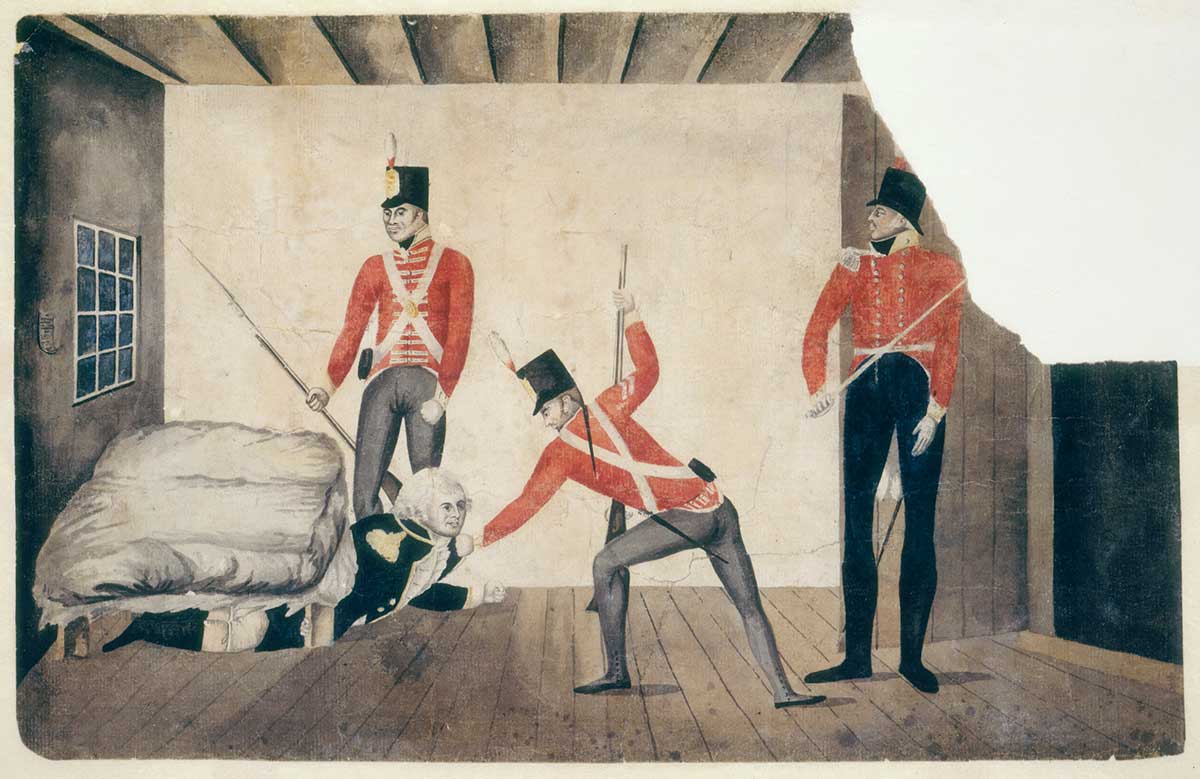
In the annals of Australian history, one event stands out as a testament to the struggle for governance and the pursuit of freedom: the Rum Rebellion. This pivotal moment, which occurred in the early years of the colony, not only shaped the course of Australian politics but also the importance of principles such as democracy and the rule of law. Let’s delve into the story of the Rum Rebellion, exploring its causes, its unfolding, and its lasting impact on the Australian nation.
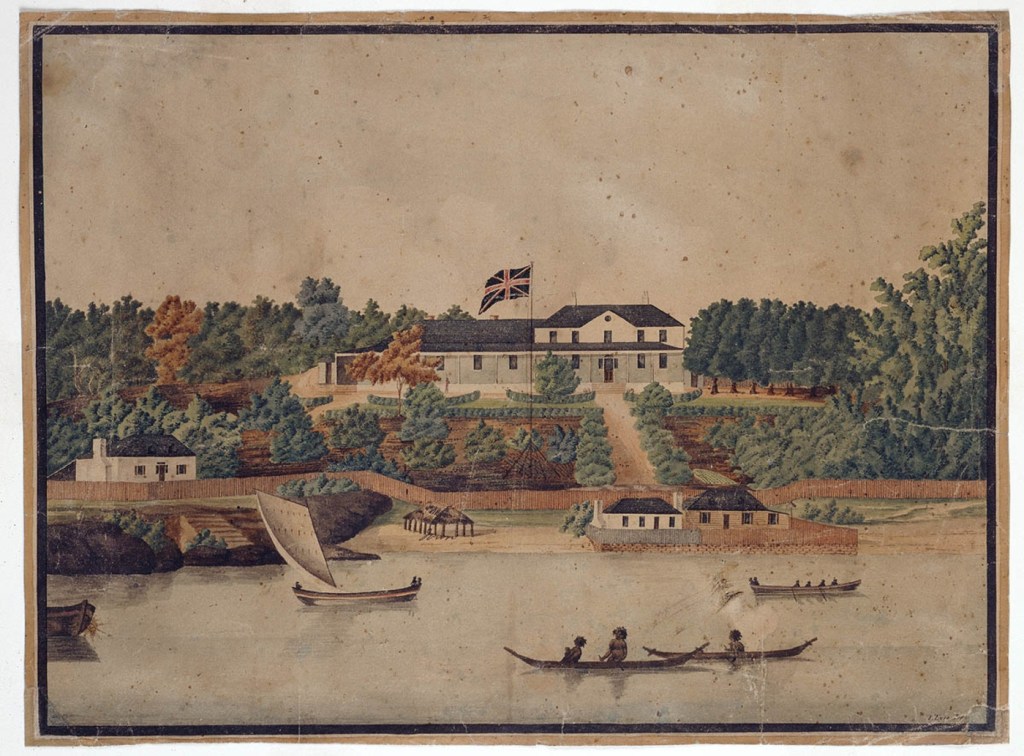
To understand the significance of the Rum Rebellion, we must first grasp the context in which it unfolded. In the late 18th century, Australia was primarily a British penal colony, established with the arrival of the First Fleet in 1788. The governance of the colony fell under the purview of the British Crown, with a Governor appointed to oversee affairs on behalf of the distant monarch.
However, the reality of life in the fledgling colony was far from smooth. Issues such as corruption, economic hardship, and social inequality plagued the early settlers. Moreover, the rum trade emerged as a prominent and lucrative industry, with rum often serving as a de facto currency in the absence of sufficient coinage.
At the heart of the Rum Rebellion lay the influence of the New South Wales Corps, colloquially known as the Rum Corps. Formed to provide military protection to the colony, this regiment soon became embroiled in the economic and political affairs of early Australia. Many of its officers were involved in the rum trade, leveraging their positions for personal gain and power.
Under the leadership of officers such as Major George Johnston, the Rum Corps wielded considerable influence, often at odds with the appointed governors. This tension between the military and civilian authorities would eventually reach a boiling point, setting the stage for the events that would come to define the Rum Rebellion.
The catalyst for the Rum Rebellion came in the form of Governor William Bligh, of HMS Bounty fame. Appointed to govern New South Wales in 1806, Bligh arrived with a reputation for staunch discipline and an uncompromising stance against corruption. His efforts to lower the illegal rum trade and challenge the entrenched interests of the Rum Corps immediately put him at odds with the military establishment.
Bligh’s confrontational style and attempts to enforce strict regulations on the rum trade earned him the enmity of many influential figures within the colony, particularly those with vested interests in the lucrative enterprise. As tensions escalated, a showdown between the governor and the Rum Corps became inevitable.
The spark that ignited the Rum Rebellion occurred on the morning of January 26, 1808, when Governor Bligh ordered the arrest of Johnston and several other officers for their involvement in the illegal rum trade. In a swift and audacious move, Johnston, backed by the Rum Corps, responded by seizing control of the government and imprisoning Bligh, effectively usurping his authority.

The rebellion was remarkably bloodless, yet its implications were profound. For the first time in Australian history, a governor had been forcibly removed from office by military force, setting a dangerous precedent for the rule of law and civil governance in the colony. Despite Bligh’s eventual release and the dispatch of a new governor, the legacy of the rebellion would cast a long shadow over Australian politics.
In the aftermath of the Rum Rebellion, the British government launched an inquiry into the events surrounding Bligh’s deposition. While Johnston and other key figures were eventually recalled to England to face charges, the broader ramifications of the rebellion reverberated throughout the colony.
The episode exposed the fragility of colonial governance and highlighted the need for stronger mechanisms of accountability and oversight. It also galvanized calls for greater democratic reforms and increased civilian control over military affairs. Over time, the principles of responsible government and representative democracy would take root, shaping the future trajectory of Australian politics.
The Rum Rebellion stands as a pivotal moment in Australia’s history, symbolizing the struggle for governance and freedom in the early years of the colony. It serves as a reminder of the enduring values of democracy, accountability, and the rule of law, which continue to underpin the Australian nation today. By understanding the causes and consequences of the rebellion, we gain insight into the complex dynamics that shaped the evolution of Australian society and politics, laying the foundation for the vibrant democracy that exists today.
 History Class Australia
Leave a comment